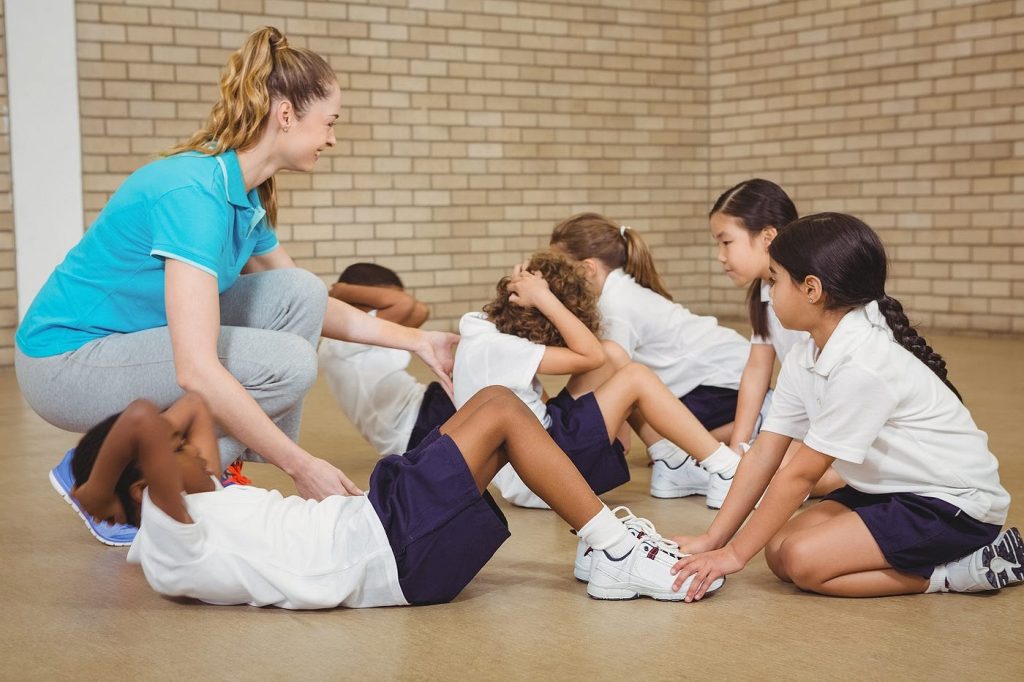
Jakarta, incaschool.sch.id – Strong School Physical Education plays an important role in promoting fitness, teamwork, and healthy lifestyles among students. In school settings, physical education is more than exercise during the timetable. It helps students develop movement skills, understand the value of health, and experience the benefits of active participation. As students spend increasing time in classrooms and on screens, structured physical activity becomes even more important for balance and well-being.
Physical education also contributes to student growth beyond fitness. Through games, sports, and movement-based activities, students learn cooperation, discipline, resilience, and respect for rules and others. This makes physical education an important part of whole-student development.
Why school physical education matters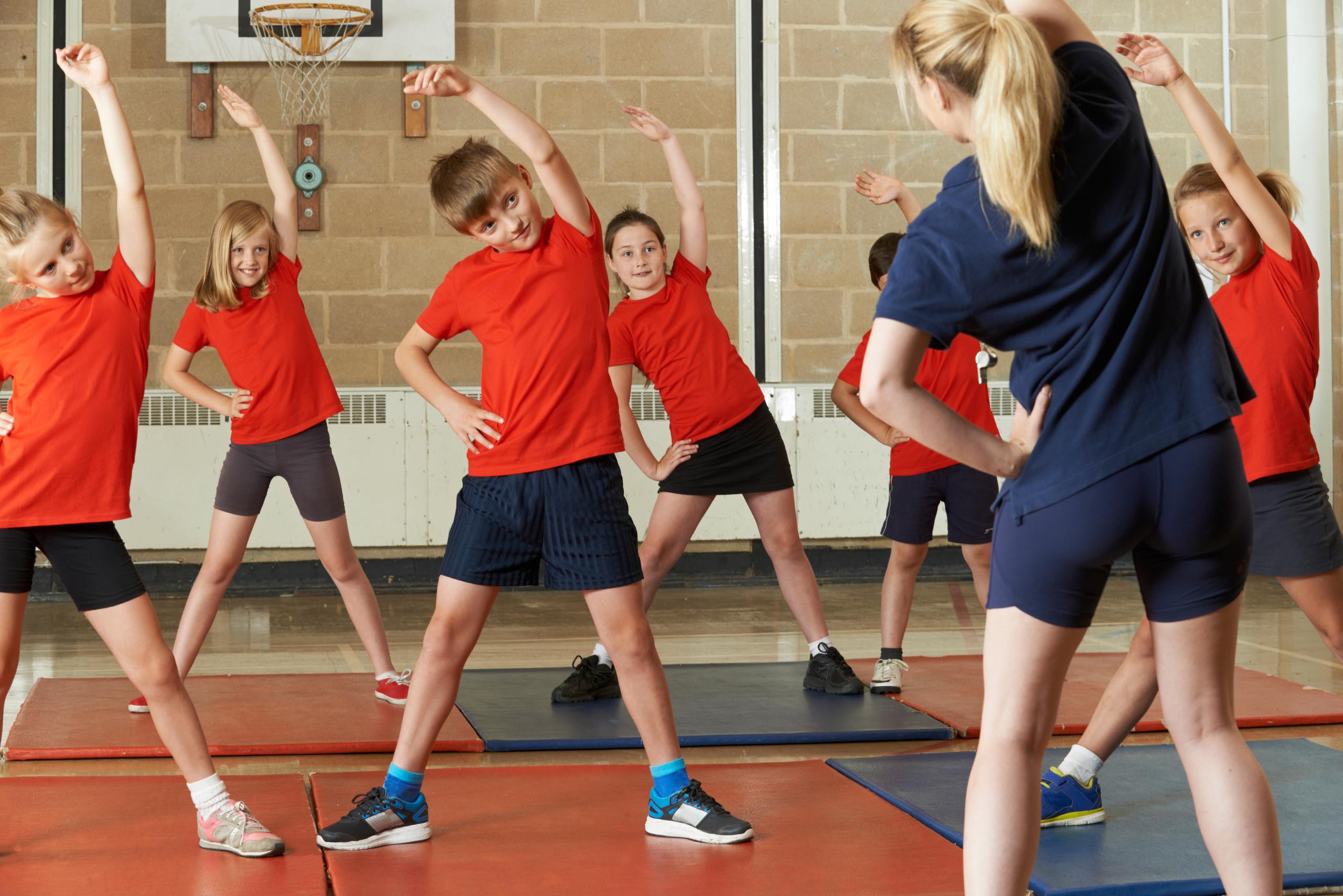
School Physical Education matters because regular movement supports student health, energy, and concentration. Active students are often better able to engage with learning and manage daily routines more positively.
Physical education can help students:
- Improve fitness and coordination
- Build healthy activity habits
- Reduce physical inactivity
- Strengthen focus and energy
- Learn the value of regular exercise
These benefits support both physical health and the wider school experience.
Promoting fitness through regular activity
A central goal of School Physical Education is helping students build physical fitness in age-appropriate and engaging ways. Structured activities help students improve their ability to move, exercise, and participate confidently.
Fitness-related benefits may include:
- Better cardiovascular health
- Stronger coordination and flexibility
- Improved stamina
- Greater physical confidence
- More awareness of personal health
Regular participation helps students see activity as a normal and valuable part of life.
Teaching teamwork and cooperation
Another major value of School Physical Education is its role in teaching teamwork. Many activities involve shared goals, cooperation, and communication, which help students interact more effectively with peers.
Students often learn to:
- Work together toward a goal
- Respect rules and fair play
- Support teammates
- Handle both success and setbacks
- Communicate during group activities
These lessons are useful well beyond the sports field.
Encouraging healthy lifestyles
Good School Physical Education also helps students understand the connection between movement, health, and daily habits. Schools can use physical education to encourage a broader awareness of well-being.
This may include learning about:
- The importance of regular activity
- Healthy routines
- Body awareness and safety
- Positive attitudes toward movement
- Long-term lifestyle habits
A healthy lifestyle is easier to build when students experience activity as something enjoyable rather than as a punishment disguised as a whistle.
Creating inclusive participation
Effective School Physical Education should support students of different abilities, confidence levels, and interests. Inclusive activities help more students feel comfortable participating and learning.
Schools can encourage inclusion by:
- Offering varied activities
- Focusing on progress as well as performance
- Supporting teamwork over exclusion
- Adapting activities when needed
- Building confidence through encouragement
This helps physical education become a positive experience for more students.
Final thoughts
School Physical Education promotes fitness, teamwork, and healthy student lifestyles by making physical activity a regular and meaningful part of school life. Through movement, cooperation, and health awareness, students gain habits and skills that support both well-being and personal development.
Students need opportunities to move, cooperate, and build healthy routines. Physical education provides that space, and its value extends far beyond the class period itself.
Explore our “”Knowledge“” category for more insightful content!
Don't forget to check out our previous article: High School Counseling: Supporting Student Well-Being, Learning Challenges, and Growth