Jakarta, incaschool.sch.id – Strong High School Counseling plays an important role in supporting student well-being, addressing learning challenges, and encouraging personal growth during an important stage of development. High school students often face a mixture of academic pressure, social change, emotional stress, identity questions, and future planning. Counseling services help students navigate these challenges with guidance, structure, and support that can make school life more manageable and more positive.
Counseling in high school is not only for crisis situations. It is also a proactive support system that helps students build resilience, improve decision-making, and access help before problems become more serious. When schools provide effective counseling, they strengthen both student welfare and the learning environment.
Why high school counseling matters
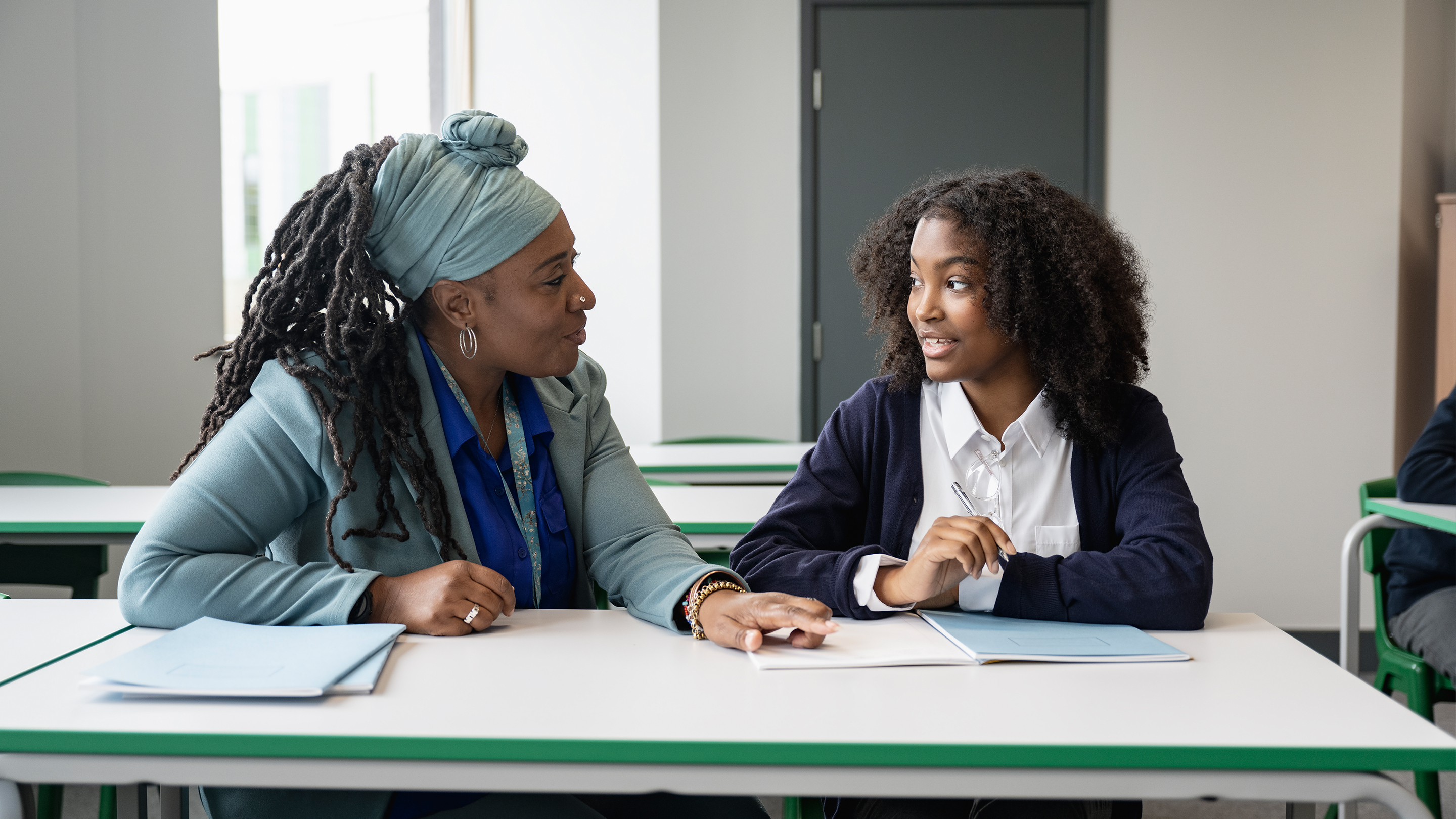
High School Counseling matters because students often need support that goes beyond classroom instruction. Academic performance can be affected by emotional stress, family concerns, peer conflict, low confidence, or uncertainty about the future.
Counseling can help students:
- Manage stress and emotional pressure
- Address learning difficulties
- Improve school engagement
- Build confidence and coping skills
- Plan for future education or goals
This makes counseling an important part of student support rather than an optional extra.
Supporting student well-being
A major focus of High School Counseling is student well-being. Counselors help students process emotions, manage pressure, and find healthier ways to respond to difficult situations.
Well-being support may include:
- Stress management guidance
- Emotional support during challenges
- Help with peer or social issues
- Encouragement during difficult periods
- Referral to additional support when needed
These services can make a meaningful difference in how students experience school and personal challenges.
Addressing learning and academic challenges
High School Counseling also supports students who are struggling academically or finding it difficult to stay engaged with learning. Sometimes academic problems come from study habits, while other times they are connected to deeper emotional or personal difficulties.
Counselors may help students by:
- Identifying barriers to learning
- Supporting time management and study habits
- Encouraging communication with teachers
- Helping students set realistic goals
- Building confidence after setbacks
Academic support is often much stronger when schools look at the student as a whole person.
Encouraging personal growth and decision-making
Another key role of High School Counseling is helping students grow in maturity, self-awareness, and judgment. High school is a period when students begin making more independent decisions, and guidance can help them do so more thoughtfully.
Counseling can support growth in areas such as:
- Self-understanding
- Responsibility
- Goal-setting
- Communication
- Problem-solving
- Future planning
These are skills that remain useful long after graduation.
Creating a supportive school environment
Effective High School Counseling contributes to a healthier school environment by making support more visible, approachable, and responsive. Students are more likely to seek help when counseling feels accessible and respectful.
Schools strengthen this support by:
- Making counseling services easy to reach
- Encouraging early help-seeking
- Building trust and confidentiality
- Coordinating support with teachers and families when appropriate
A supportive school is one where students know they do not have to struggle alone in silence.
Final thoughts
High School Counseling supports student well-being, learning challenges, and growth by providing guidance that helps students manage pressure, improve decision-making, and move forward more confidently. When counseling is treated as an integral part of school support, students are better equipped to learn, cope, and develop.
Sometimes the most important school support is not another worksheet or lecture. It is a thoughtful conversation that helps a student feel understood and better able to continue.
Explore our “”Knowledge“” category for more insightful content!
Don't forget to check out our previous article: Moral Education: Helping School Students Build Integrity, Empathy, and Good Judgment