
Robotics Club

Robotics Club: Innovating Automation in High School

Jakarta, incaschool.sch.idA Robotics Club in high school serves as an exciting platform for students to explore the world of robotics and automation. This extracurricular activity not only fosters creativity and innovation but also equips students with essential skills in science, technology, engineering, and mathematics (STEM). In this article, we will discuss the purpose and benefits of a robotics club, the types of projects students can undertake, and how participation can shape their future careers.
Purpose of a Robotics Club

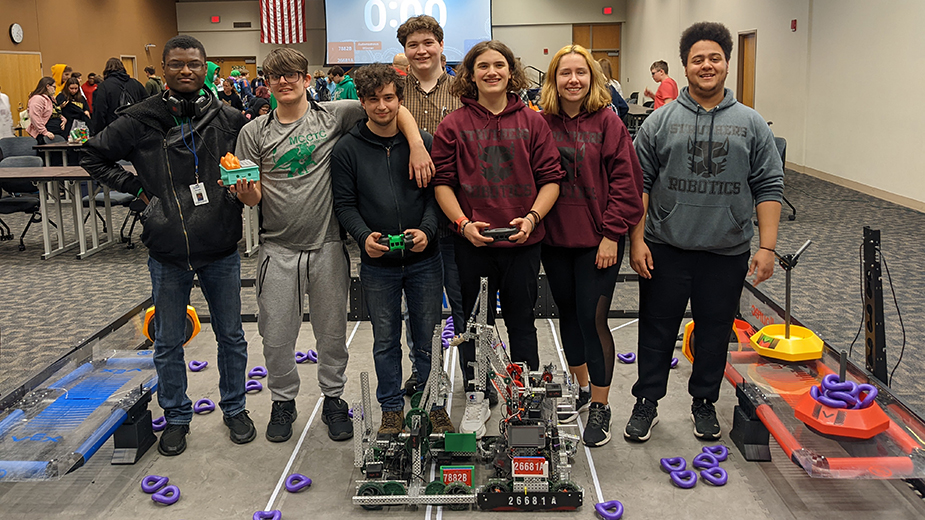
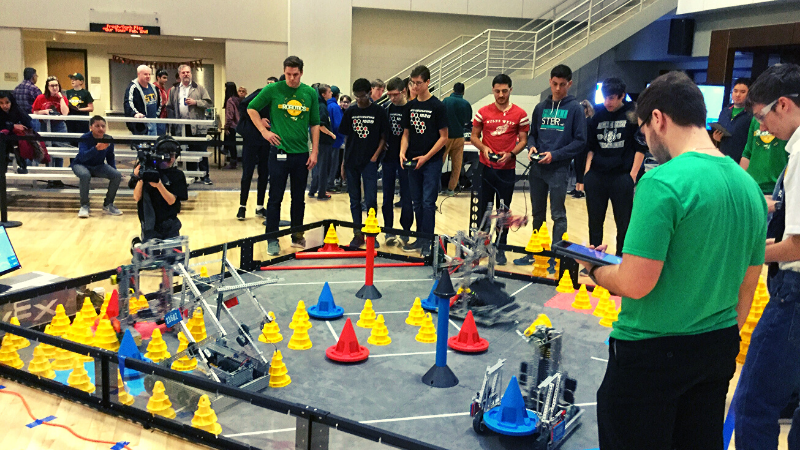
VEX Robotics Club - Stevenson High School

  1. Hands-On Learning:

    • The primary goal of a robotics club is to provide students with hands-on experience in building and programming robots. This practical approach helps students apply theoretical concepts learned in the classroom to real-world challenges.
  2. Collaboration and Teamwork:

    • Robotics projects often require collaboration among members with diverse skills and backgrounds. The club promotes teamwork, allowing students to learn how to work effectively with others, share ideas, and solve problems collectively.
  3. Innovation and Creativity:

    • The robotics club encourages students to think creatively and innovate. Members are challenged to design unique robots that can perform specific tasks, fostering an environment where experimentation and out-of-the-box thinking are welcomed.

Benefits of Joining a Robotics Club

  1. Skill Development:

    • Participation in a robotics club helps students develop a wide range of skills, including programming, engineering design, electronics, and problem-solving. These skills are valuable not only in robotics but also in various STEM fields.
  2. Exposure to Technology:

    • Students gain exposure to the latest technologies and tools used in robotics, such as sensors, microcontrollers, and programming languages. This familiarity can spark interest in pursuing further education or careers in technology and engineering.
  3. Preparation for Competitions:

    • Many robotics clubs participate in local, national, or international competitions, such as FIRST Robotics or VEX Robotics. Preparing for these events teaches students about project management, time constraints, and the importance of iteration and improvement.
  4. Building Confidence:

    • Successfully completing a robotics project or competing in a tournament can significantly boost students’ confidence. They learn to overcome challenges and celebrate achievements, which can positively impact their overall self-esteem.
  5. Networking Opportunities:

    • Being part of a robotics club connects students with like-minded peers, mentors, and professionals in the field. Networking can lead to internships, scholarships, and future career opportunities.

Types of Projects in a Robotics Club

  1. Autonomous Robots:

    • Students can design and build robots that operate independently, using sensors to navigate their environment. These projects often involve programming algorithms for obstacle avoidance and pathfinding.
  2. Remote-Controlled Robots:

    • Members can create robots that are controlled remotely via wireless communication. These projects allow students to experiment with different control systems and understand the mechanics of robotics.
  3. Robotic Arms:

    • Building robotic arms can teach students about mechanical design and precision control. These projects often focus on tasks such as picking and placing objects, which can be applied in various industries.
  4. Drones:

    • Students can explore the world of aerial robotics by designing and programming drones. Projects may include creating drones for specific tasks, such as mapping or surveillance, while learning about flight dynamics and control systems.
  5. Interdisciplinary Projects:

    • Robotics clubs can collaborate with other subjects, such as art or environmental science, to create interdisciplinary projects. For example, students might design robots that help with recycling or environmental monitoring.

Conclusion

In conclusion, a Robotics Club provides high school students with a unique opportunity to innovate and explore the exciting field of automation and robotics. By engaging in hands-on projects, developing essential skills, and collaborating with peers, students prepare themselves for future academic and career pursuits in STEM. The experiences gained in a robotics club not only enhance technical knowledge but also foster creativity, teamwork, and confidence—qualities that are invaluable in today’s rapidly evolving technological landscape.

Explore our “Knowledge” category for more insightful content!

Don't forget to check out our previous article: Social Justice: Driving Change in High School

Author