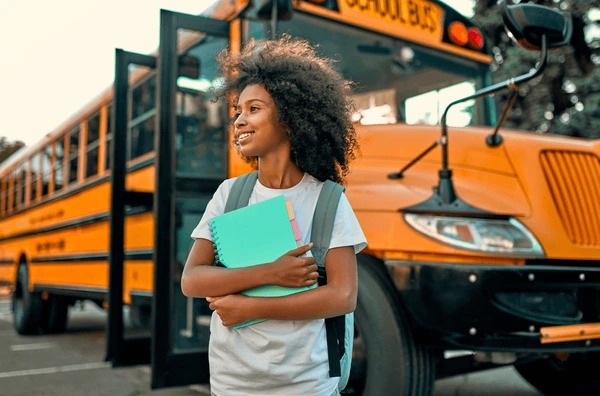
Jakarta, incaschool.sch.id – Social justice is a crucial concept that empowers individuals and communities to advocate for equity, fairness, and inclusivity. In high schools, fostering a culture of social justice not only enhances the educational experience but also equips students with the knowledge and skills necessary to drive meaningful change in their communities and beyond. This article explores the importance of social justice in high schools, effective strategies for promoting awareness, and ways students can actively engage in social justice initiatives.
The Importance of Social Justice in High School

-
Empowerment of Students: Understanding social justice empowers students to recognize their rights and the rights of others. It encourages them to voice their opinions, challenge injustices, and advocate for positive change within their school and community.
-
Cultivating Critical Thinking: Engaging with social justice issues fosters critical thinking and encourages students to analyze societal structures and power dynamics. This analytical approach helps students understand complex social issues and develop informed perspectives.
-
Promoting Inclusivity: A focus on social justice promotes inclusivity and respect for diversity. High schools that prioritize social justice create environments where all students feel valued and supported, regardless of their backgrounds or identities.
-
Preparing Active Citizens: Teaching social justice equips students with the skills needed for civic engagement. Students learn the importance of participation in democratic processes, advocacy, and community service, preparing them to become responsible and active citizens.
Effective Strategies for Promoting Social Justice
-
Incorporate Social Justice into the Curriculum:
- Integrate social justice themes into various subjects, such as history, literature, and social studies. Discussing historical movements, influential figures, and contemporary issues helps students connect academic content to real-world social justice challenges.
-
Encourage Open Dialogue:
- Create safe spaces for open discussions about social justice issues. Encourage students to share their thoughts and experiences, fostering an environment where diverse perspectives are respected and valued.
-
Organize Workshops and Seminars:
- Host workshops and seminars on topics related to social justice, such as racism, gender equality, environmental justice, and LGBTQ+ rights. Invite guest speakers from advocacy organizations to share their insights and experiences.
-
Engage in Community Service:
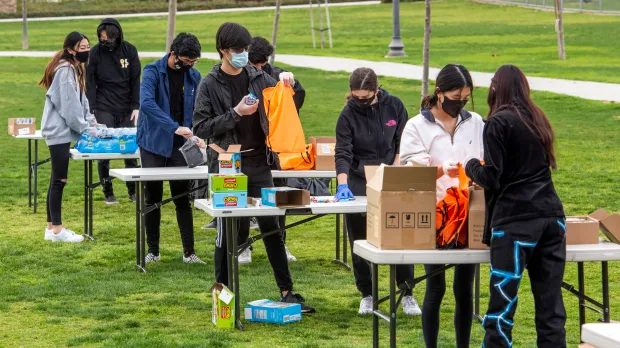
- Encourage students to participate in community service projects that address local social justice issues. This hands-on experience allows students to apply their knowledge and make a tangible impact in their communities.
-
Support Student-Led Initiatives:
- Empower students to lead their own social justice initiatives, such as awareness campaigns, fundraising events, or advocacy groups. Providing support and resources for these initiatives fosters leadership skills and encourages student ownership of social justice efforts.
-
Utilize Multimedia Resources:
- Incorporate films, documentaries, podcasts, and literature that explore social justice themes. These resources can provoke discussion and deepen students’ understanding of complex issues.
-
Create a Social Justice Club:
- Establish a social justice club where students can collaborate on projects, share ideas, and organize events. This club can serve as a platform for students to engage with their peers and promote social justice initiatives within the school.
Ways Students Can Engage in Social Justice
-
Advocacy and Activism:
- Encourage students to participate in advocacy efforts, such as writing letters to policymakers, attending rallies, or joining local activist groups. Engaging in activism empowers students to take action on issues they care about.
-
Peer Education:
- Students can educate their peers about social justice issues by organizing presentations, workshops, or discussions. Peer-to-peer education can be a powerful tool for raising awareness and fostering understanding.
-
Social Media Campaigns:
- Utilize social media platforms to raise awareness about social justice issues. Students can create campaigns, share informative content, and engage with a broader audience to promote their causes.
-
Research and Reporting:
- Encourage students to research social justice issues and present their findings to the school community. This can include creating reports, presentations, or articles for the school newspaper, highlighting important topics and encouraging dialogue.
-
Collaboration with Local Organizations:
- Partner with local nonprofits and community organizations focused on social justice. Students can volunteer, intern, or collaborate on projects, gaining valuable experience while contributing to meaningful causes.
Conclusion
In conclusion, social justice plays a vital role in high schools by empowering students to become informed, active citizens who advocate for equity and inclusivity. By incorporating social justice themes into the curriculum, fostering open dialogue, and supporting student-led initiatives, schools can create a culture of social responsibility. Through engagement in social justice efforts, students can drive positive change in their communities, paving the way for a more just and equitable society.
Explore our “Knowledge” category for more insightful content!
Don't forget to check out our previous article: Physics Wonders: Exploring the Universe in High School