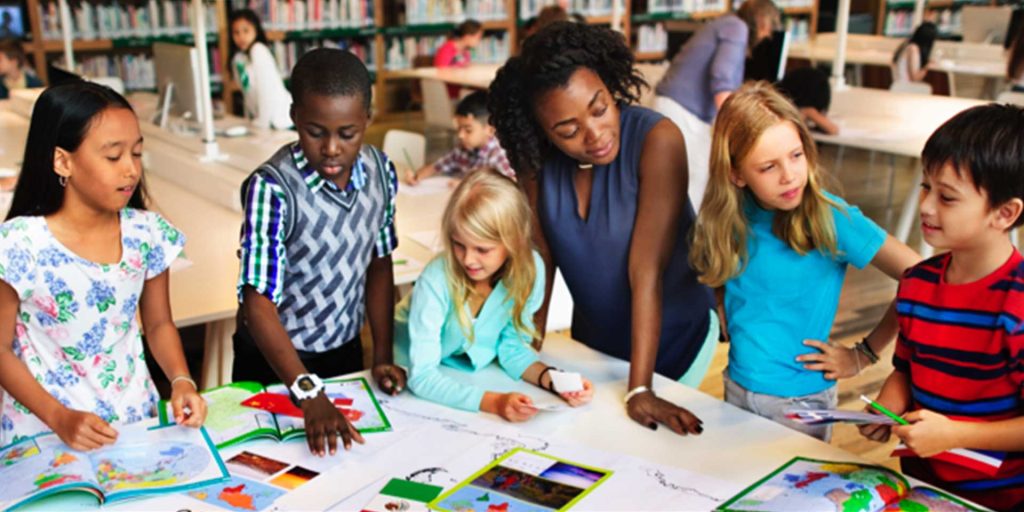
Programs in school play a crucial role in providing diverse learning opportunities that cater to the varying interests, abilities, and needs of students. These programs not only enhance academic learning but also foster personal growth, social skills, and career readiness. This article explores the importance of diverse school programs, the types of programs available, and how they contribute to a well-rounded education.
1. The Importance of Diverse School Programs

Diverse programs in school are essential for several reasons:
a. Catering to Individual Interests
- Engagement: Offering a variety of programs keeps students engaged and motivated. When students can choose programs that align with their interests, they are more likely to participate actively and invest in their learning.
- Passion Development: Exposure to different subjects and activities allows students to discover and nurture their passions, whether in the arts, sciences, sports, or technology.
b. Supporting Different Learning Styles
- Inclusive Education: Diverse programs accommodate various learning styles and abilities. This inclusivity ensures that all students have access to educational opportunities that suit their unique needs.
- Skill Development: Programs tailored to different learning styles help students develop a range of skills, from critical thinking and creativity to collaboration and communication.
2. Types of Programs in School
Schools offer a wide array of programs designed to enrich the educational experience. Here are some common types:
a. Academic Programs
- Advanced Placement (AP) and International Baccalaureate (IB): These programs provide rigorous coursework that prepares students for college-level studies and can earn them college credits.
- STEM Programs: Focused on science, technology, engineering, and mathematics, STEM programs encourage students to engage in hands-on learning and problem-solving activities.
b. Arts and Humanities Programs
- Visual and Performing Arts: Programs in music, theater, dance, and visual arts allow students to explore their creativity and develop artistic skills.
- Literature and Language Programs: These programs promote literacy and language skills, often including creative writing, literature analysis, and foreign language studies.
c. Extracurricular and Co-Curricular Activities
- Clubs and Organizations: Schools often offer a variety of clubs, such as debate, robotics, environmental, and cultural clubs, providing students with opportunities to connect with peers who share similar interests.
- Sports Programs: Athletic programs encourage physical fitness, teamwork, and discipline. Participation in sports can also enhance school spirit and community engagement.
3. Benefits of Participating in School Programs
Engaging in diverse school programs offers numerous benefits for students:
a. Personal Growth
- Confidence Building: Participation in programs helps students build confidence as they develop new skills and take on challenges.
- Social Skills Development: Programs encourage collaboration and teamwork, helping students develop essential social skills and form meaningful relationships with their peers.
b. Career Readiness
- Skill Acquisition: Many programs equip students with practical skills that are valuable in the workforce. For example, technology programs may teach coding, while business programs may cover entrepreneurship.
- Networking Opportunities: Engaging in various programs allows students to connect with mentors, industry professionals, and peers, providing valuable networking opportunities for future career paths.
4. Conclusion
In conclusion, programs in school are vital for offering diverse learning opportunities that cater to the unique interests and needs of every student. By providing a range of academic, artistic, and extracurricular programs, schools foster an inclusive environment that encourages personal growth, skill development, and career readiness.
These diverse programs not only enhance the educational experience but also prepare students for success in their future endeavors. As students explore their passions and develop new skills through these programs, they become well-rounded individuals ready to contribute positively to their communities and the world. Embracing the variety of programs available in schools is essential for nurturing the next generation of thinkers, creators, and leaders.