Kinesiology, the study of human movement, is an increasingly popular subject in high school biology classes. This field combines elements of anatomy, physiology, biomechanics, and psychology to explore how the body moves and functions. An introduction to kinesiology provides students with valuable insights into their own bodies, enhances their understanding of physical health, and lays the groundwork for future studies in health and fitness. This article discusses the importance of kinesiology in high school education, key concepts covered, and the benefits of studying this dynamic field.
1. The Importance of Kinesiology in High School Education
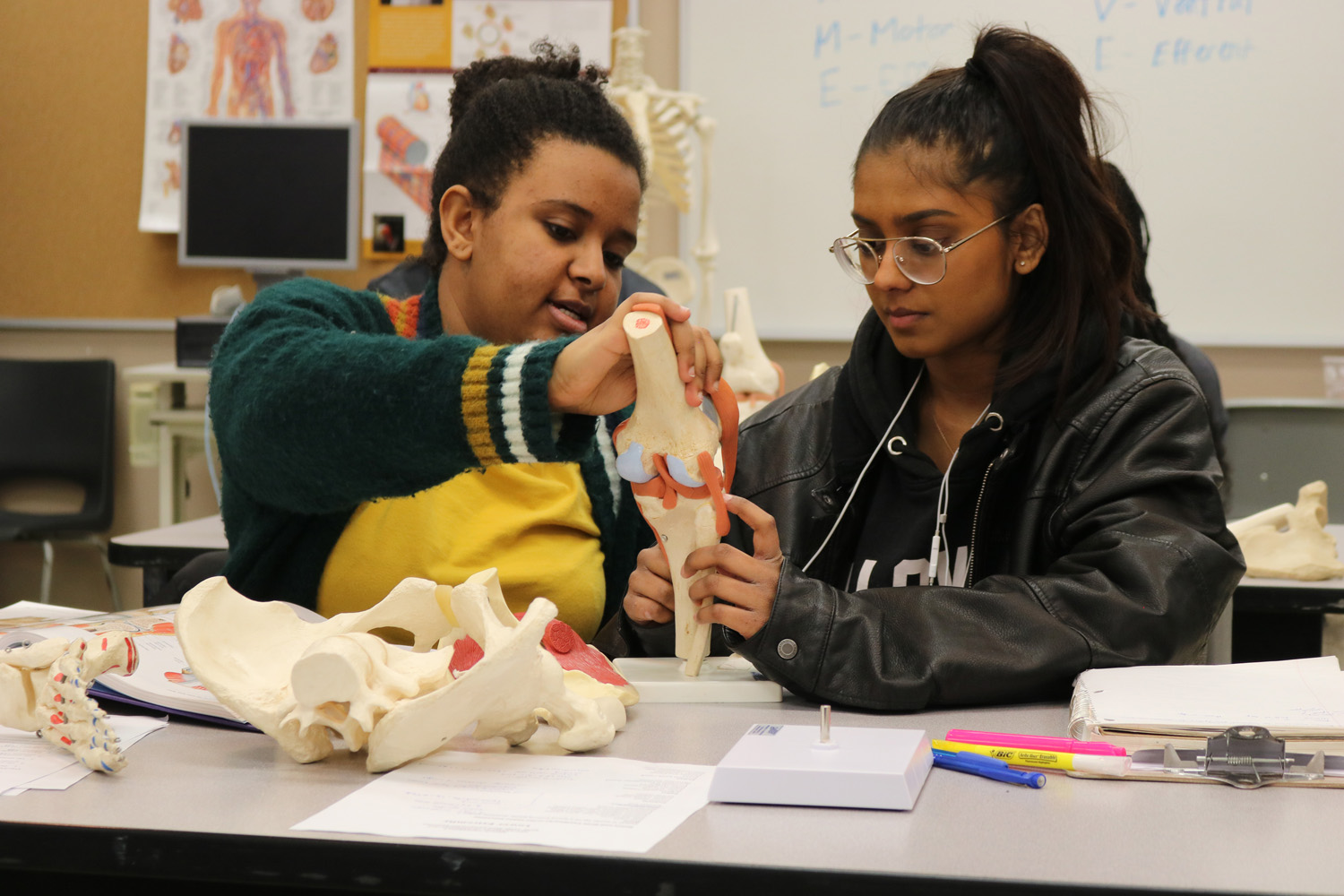
Understanding kinesiology is crucial for students as it connects biological concepts to real-world applications. Here are some reasons why introducing kinesiology in high school biology classes is beneficial:
a. Promoting Physical Health
- Awareness of Movement: Kinesiology teaches students about the mechanics of movement and how different exercises affect the body. This knowledge encourages students to engage in physical activity and make healthier lifestyle choices.
- Injury Prevention: By learning about body mechanics and proper movement techniques, students can reduce the risk of injuries in sports and daily activities.
b. Interdisciplinary Learning
- Integration of Sciences: Kinesiology encompasses various scientific disciplines, including biology, physics, and psychology. This interdisciplinary approach enhances students’ overall understanding of how the body works and interacts with its environment.
- Real-World Applications: Concepts learned in kinesiology can be applied to various fields, such as sports science, physical therapy, and exercise physiology, providing students with insights into potential career paths.
2. Key Concepts Covered in Kinesiology
An introductory kinesiology course in high school typically covers several fundamental concepts:
a. Anatomy and Physiology
- Musculoskeletal System: Students learn about the structure and function of bones, muscles, and joints, understanding how they work together to facilitate movement.
- Body Systems: The course may cover other body systems, such as the cardiovascular and respiratory systems, and how they support physical activity and overall health.
b. Biomechanics
- Movement Analysis: Kinesiology introduces students to the principles of biomechanics, allowing them to analyze different types of movements, such as walking, running, and jumping.
- Force and Motion: Understanding the forces acting on the body during movement helps students appreciate the mechanics behind athletic performance and everyday activities.
c. Exercise Science
- Types of Exercise: Students explore various forms of exercise, including aerobic and anaerobic activities, strength training, and flexibility exercises, learning how each type benefits the body.
- Fitness Principles: The course may cover essential fitness concepts, such as the principles of training, exercise prescription, and the importance of warm-ups and cool-downs.
3. Benefits of Studying Kinesiology
Studying kinesiology in high school offers numerous benefits for students:
a. Enhanced Physical Fitness
- Active Lifestyle: Kinesiology encourages students to adopt an active lifestyle by highlighting the importance of regular physical activity for maintaining health and fitness.
- Skill Development: Students gain skills related to movement and exercise, which can enhance their performance in sports and recreational activities.
b. Critical Thinking and Problem-Solving
- Analytical Skills: Analyzing movement patterns and understanding the mechanics of exercise fosters critical thinking and problem-solving skills that are applicable in various contexts.
- Research Opportunities: Students may engage in research projects related to kinesiology, allowing them to apply scientific methods and explore topics of interest in greater depth.
c. Career Exploration
- Exposure to Career Paths: An introduction to kinesiology can spark interest in various career options, such as physical therapy, sports management, athletic training, and exercise science.
- Foundation for Further Study: For students interested in pursuing kinesiology or related fields in college, high school courses provide a strong foundation for advanced study.
4. Conclusion
In conclusion, a kinesiology intro in high school biology classes offers students valuable insights into the mechanics of human movement and the importance of physical health. By exploring concepts related to anatomy, biomechanics, and exercise science, students gain a deeper understanding of their bodies and how to maintain a healthy lifestyle.
The benefits of studying kinesiology extend beyond the classroom, promoting critical thinking, encouraging active living, and opening doors to future career opportunities. As students engage with the principles of kinesiology, they develop the knowledge and skills necessary to lead healthy, active lives and contribute positively to their communities. Embracing kinesiology in high school education not only enriches students’ understanding of biology but also empowers them to take charge of their health and well-being.