An Astronomy Club is a fantastic opportunity for students to explore the wonders of the universe, learn about celestial phenomena, and engage in hands-on activities that deepen their understanding of astronomy. Whether you’re a seasoned stargazer or a curious beginner, joining an Astronomy Club can enhance your educational experience and foster a lifelong passion for the cosmos. This article will delve into the benefits of participating in an Astronomy Club, activities you can expect, and how to make the most of your experience.
1. The Benefits of Joining an Astronomy Club
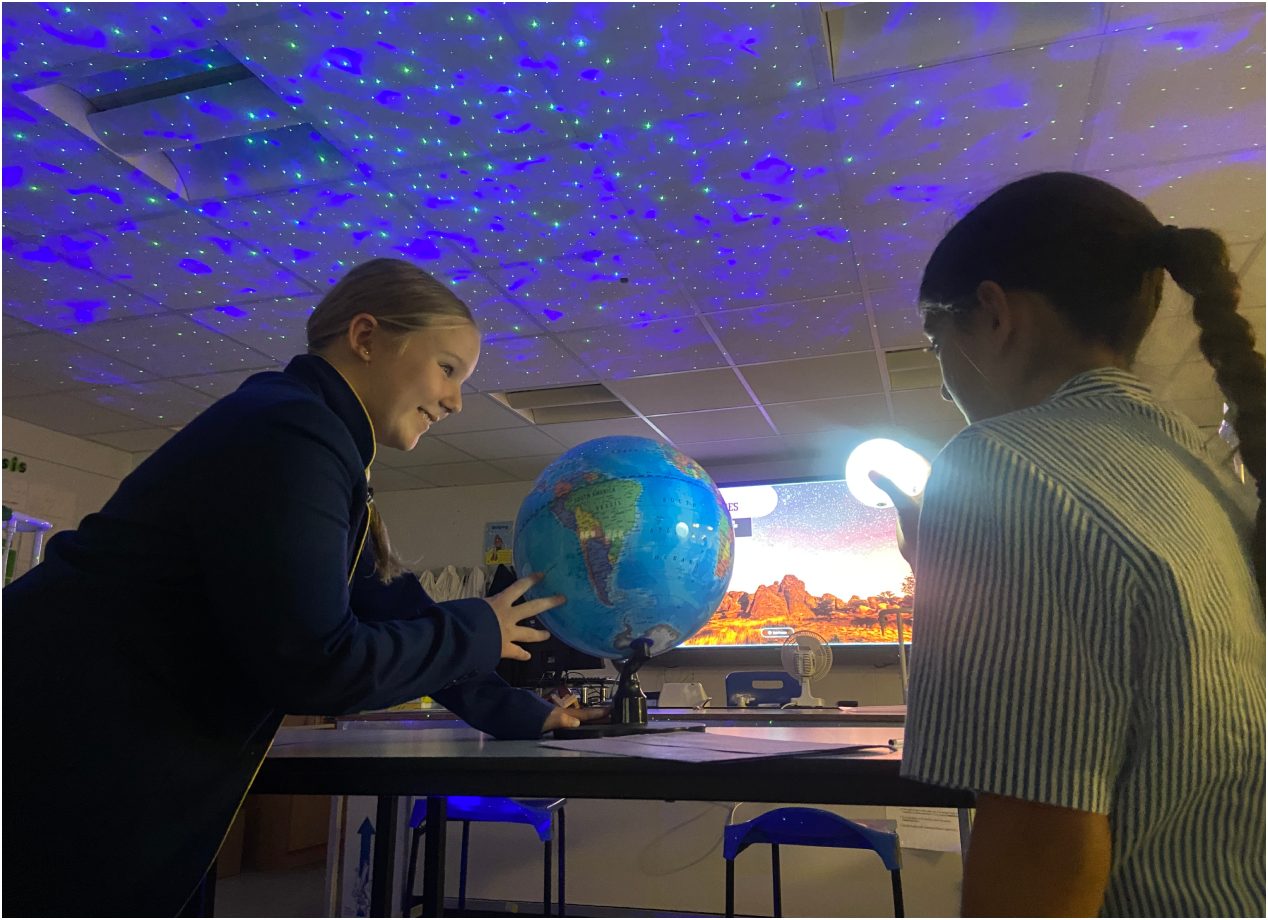
Participating in an Astronomy Club offers numerous advantages for students interested in the field of astronomy and science in general:
a. Enhanced Learning Opportunities
- Hands-On Experience: Astronomy Clubs often provide access to telescopes and other observational equipment, allowing members to observe celestial events such as planetary alignments, meteor showers, and lunar phases.
- Expert Guidance: Club members can learn from experienced astronomers and educators who can provide valuable insights into astronomical concepts, techniques, and discoveries.
b. Community and Collaboration
- Building Friendships: Joining an Astronomy Club connects you with like-minded individuals who share your passion for the stars. This sense of community fosters friendships and collaboration on projects and events.
- Group Activities: Many clubs organize group outings to observe celestial events, visit planetariums, or attend astronomy-related lectures, promoting teamwork and shared learning experiences.
c. Development of Skills
- Critical Thinking: Engaging with astronomical concepts encourages critical thinking and problem-solving skills as members analyze data, conduct experiments, and discuss theories.
- Communication Skills: Presenting findings, leading discussions, and sharing knowledge with peers helps develop effective communication skills, which are valuable in any field.
2. Activities in an Astronomy Club
Astronomy Clubs typically offer a variety of activities that cater to different interests and skill levels. Here are some common activities you can expect:
a. Stargazing Events
- Observational Nights: Clubs often host regular stargazing events where members gather to observe the night sky using telescopes. These events may focus on specific celestial objects, such as planets, star clusters, or constellations.
- Special Events: During significant astronomical events, such as eclipses or meteor showers, clubs may organize special viewing sessions to experience these phenomena together.
b. Educational Workshops
- Guest Speakers: Astronomy Clubs frequently invite guest speakers, such as local astronomers, professors, or researchers, to share their expertise and insights on various topics in astronomy.
- Hands-On Workshops: Members can participate in workshops that cover topics like telescope operation, astrophotography, and data analysis, providing practical skills that enhance their understanding of astronomy.
c. Field Trips and Collaborations
- Planetarium Visits: Clubs may organize trips to local planetariums or observatories, giving members the chance to experience immersive presentations and learn about astronomy in a dynamic environment.
- Collaborative Projects: Some clubs engage in collaborative projects with other schools or organizations, such as community outreach programs that promote science education and awareness.
3. Making the Most of Your Astronomy Club Experience
To fully benefit from your time in an Astronomy Club, consider the following tips:
a. Be Active and Engaged
- Attend Meetings Regularly: Make it a priority to attend club meetings and events. Regular participation will help you stay informed about upcoming activities and deepen your understanding of astronomy.
- Ask Questions: Don’t hesitate to ask questions during discussions or presentations. Curiosity is a vital part of learning, and engaging with others can lead to insightful conversations.
b. Share Your Knowledge and Interests
- Lead Discussions: If you have a particular area of interest, consider leading a discussion or presentation for the club. Sharing your knowledge can help others learn and foster a collaborative learning environment.
- Contribute to Projects: Get involved in club projects or initiatives, whether it’s organizing an event, conducting research, or creating educational materials. Your contributions can make a significant impact on the club’s activities.
c. Explore Beyond the Club
- Independent Study: Take the initiative to explore astronomy outside of club activities. Read books, watch documentaries, or follow online courses to expand your knowledge and understanding of the universe.
- Join Online Communities: Engage with online astronomy communities or forums to connect with enthusiasts from around the world. Sharing experiences and knowledge can enhance your learning journey.
4. Conclusion
In conclusion, an Astronomy Club is a valuable resource for students interested in exploring the wonders of the universe. By joining a club, you can enhance your learning, build friendships, and develop essential skills while engaging in exciting activities related to astronomy.
Whether you’re gazing at the stars during a clear night or participating in educational workshops, the experiences gained in an Astronomy Club can ignite a lifelong passion for the cosmos.