
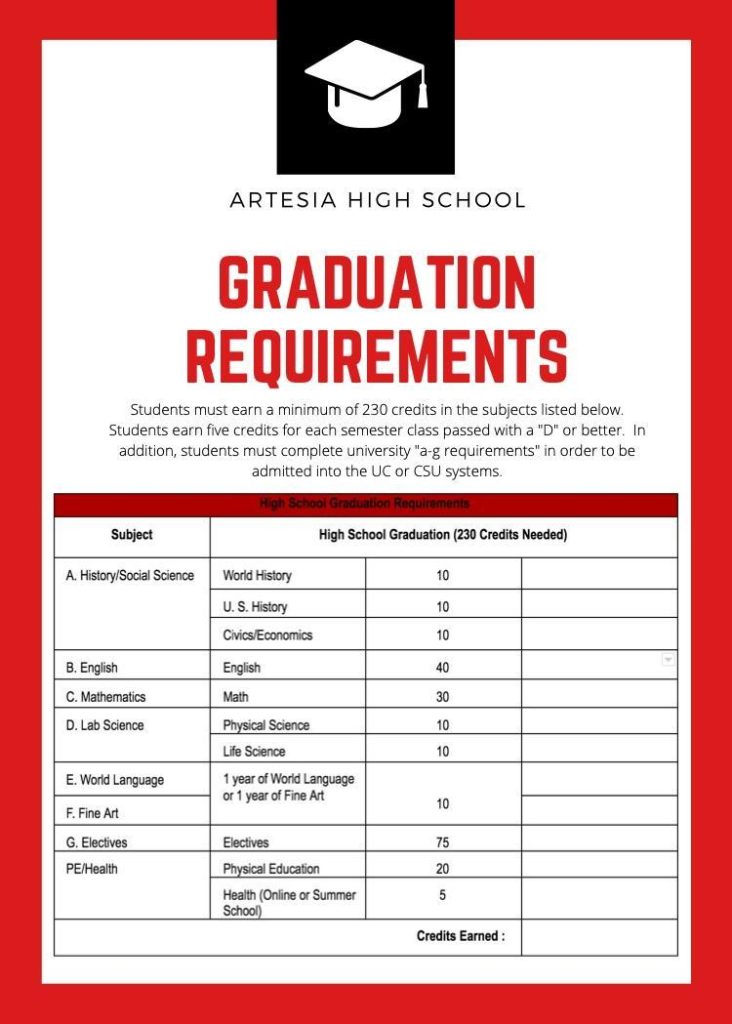
Jakarta, incaschool.sch.id – Understanding Graduation Requirements is one of the most important steps students can take to stay on track for academic success. Graduation is not simply the final stage of school. It is the result of meeting a clear set of academic expectations, attendance standards, and sometimes additional activities or assessments. When students and families understand these requirements early, they are better able to plan, avoid surprises, and make steady progress throughout the school years.
In many schools, graduation requirements serve as a roadmap rather than just a checklist. They show students what must be completed, what standards must be reached, and how different parts of their academic journey connect. Students who monitor these expectations consistently are more likely to succeed with less stress.
What graduation requirements usually include

Graduation Requirements vary by school system, level of education, and local policy, but they usually include several core components. These often involve passing required subjects, earning a minimum number of academic credits, maintaining attendance, and completing assessments or final projects. Some schools may also include behavior expectations, community service, or practical learning activities.
Common requirement areas may include:
- Core academic subjects
- Credit completion
- Minimum grade standards
- Attendance benchmarks
- School examinations or final assessments
- Special projects or extracurricular obligations
Knowing these areas early helps students understand that academic success depends on steady progress across multiple responsibilities, not only on final exam performance.
Why early understanding matters
Students benefit greatly when they learn about Graduation Requirements before problems appear. Waiting until the final year to check missing credits or unfinished obligations can create unnecessary pressure. Early awareness makes it easier to choose the right courses, improve weak areas, and seek help before issues become serious.
It also encourages responsibility. When students understand the expectations clearly, they can take more ownership of their learning and make better day-to-day decisions about attendance, assignments, and study habits.
How graduation requirements support academic success
Although Graduation Requirements can sometimes feel strict, they are designed to support student achievement. They create clear standards that help schools prepare students with the knowledge and skills needed for the next stage of life, whether that means higher education, vocational training, or employment.
Requirements support success by:
- Giving students clear academic goals
- Encouraging consistent performance
- Promoting subject balance across the curriculum
- Helping schools monitor student progress
- Creating accountability for long-term achievement
In this way, requirements are not only administrative rules. They are part of the structure that helps students build readiness for the future.
Practical ways students can stay on track
Students can manage Graduation Requirements more successfully when they take a planned and consistent approach.
Review school policies regularly
Students and families should understand current graduation rules and check for updates when moving between grade levels.
Monitor academic progress
Keeping track of grades, credits, and completed subjects helps prevent confusion later.
Attend classes consistently
Attendance often affects both learning and eligibility. Missing too many classes can create academic gaps and administrative problems.
Ask for support early
If a student is struggling in a subject, early help from teachers, tutors, or school staff can make a major difference.
Stay organized with deadlines
Projects, assessments, and required forms should be managed carefully to avoid last-minute problems.
Work with school counselors or advisors
These staff members can help students interpret graduation pathways and make informed decisions.
The role of schools and families
Strong understanding of Graduation Requirements is easier when schools and families work together. Schools should communicate expectations clearly, while families can support students by encouraging planning, attendance, and regular review of progress. Students succeed best when the adults around them reinforce both accountability and support.
This shared approach is especially important for students who may need extra academic guidance. Timely communication between school and home can help address concerns before they become obstacles to graduation.
Final thoughts
Graduation Requirements provide a roadmap to school academic success by showing students exactly what must be completed and how to stay on course. When understood early and followed consistently, these requirements help students build stronger habits, avoid preventable setbacks, and move toward graduation with greater confidence.
Success in school is rarely the result of one final moment. More often, it comes from steady attention to the expectations that shape the journey. Graduation requirements make that path clearer, and clarity is a very useful academic advantage.
Explore our “”Knowledge“” category for more insightful content!
Don't forget to check out our previous article: Classroom Collaboration: Fostering Teamwork and Engagement