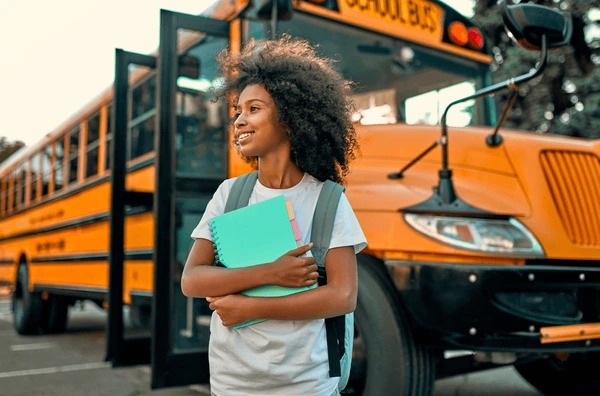
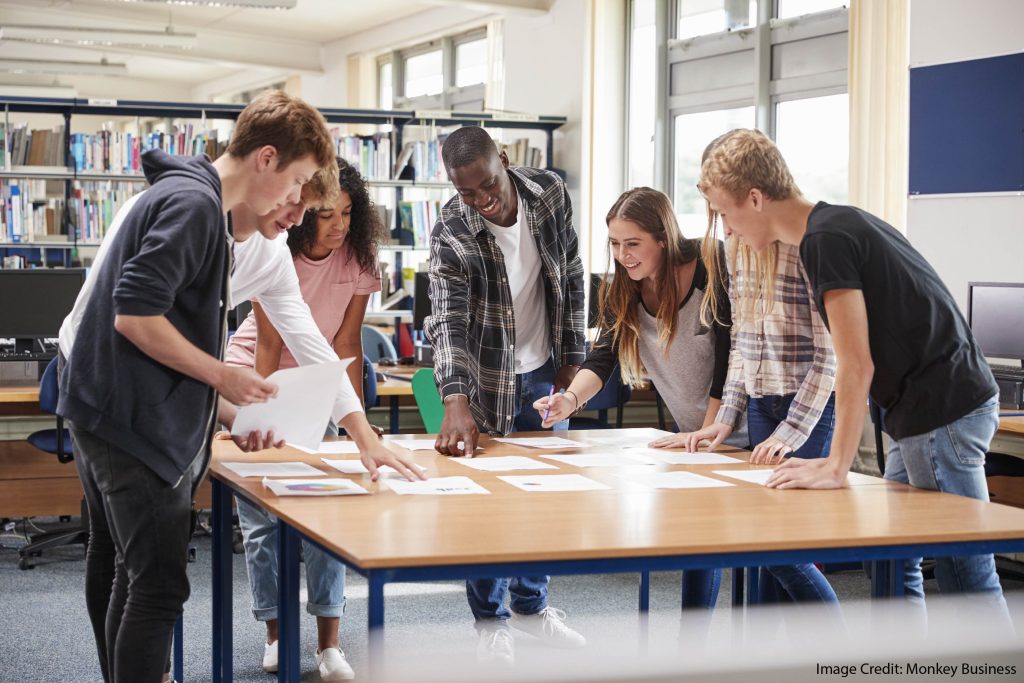
Jakarta, incaschool.sch.id – Strong Classroom Collaboration helps transform learning from an individual task into a shared educational experience. When students work together, discuss ideas, solve problems, and contribute to group activities, they build both academic understanding and interpersonal skills. Collaboration in the classroom is not just about putting students into groups and hoping for the best. It requires structure, clear goals, and a learning environment that encourages participation and mutual respect.
In schools, collaboration can strengthen engagement because students become more actively involved in the lesson. Instead of listening passively, they exchange perspectives, test understanding, and learn from one another. This makes classroom learning more dynamic and often more memorable.
Why classroom collaboration matters
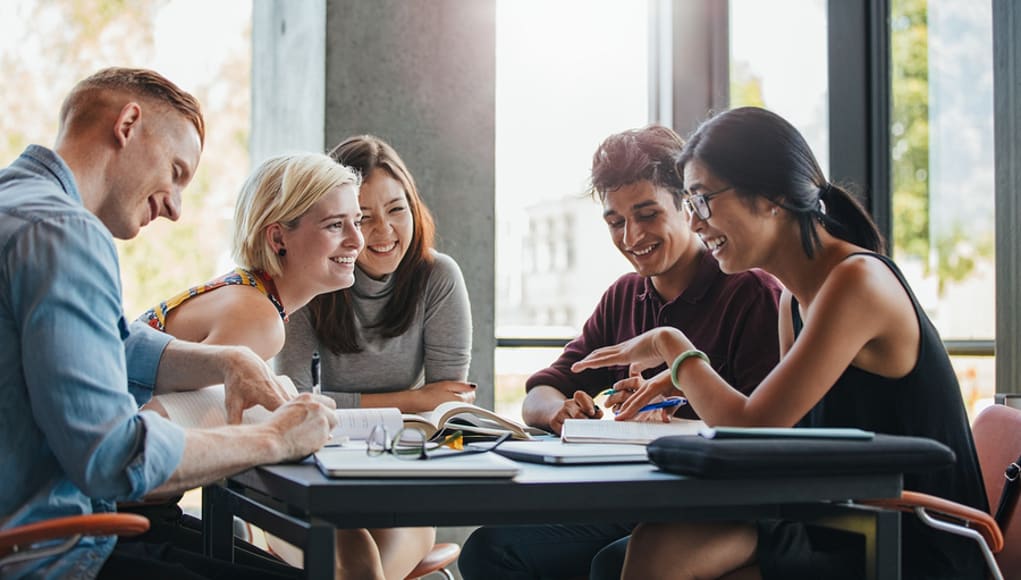
Classroom Collaboration matters because education is not only about content knowledge. It also involves communication, cooperation, listening, and problem solving. These are important skills for school success and for life beyond the classroom. When students collaborate effectively, they learn how to explain their thinking, respond to different ideas, and work toward shared outcomes.
Collaboration can also improve confidence. Some students who hesitate to speak in front of the whole class feel more comfortable contributing in pairs or small groups. This gives more learners a chance to participate and helps teachers create a more inclusive classroom environment.
Academic benefits of collaboration
One major strength of Classroom Collaboration is its ability to deepen learning. Students often understand lessons better when they are asked to discuss, compare, or apply ideas with others. Group interaction encourages active thinking rather than passive reception.
Academic benefits may include:
- Better understanding of lesson content
- Greater participation in class
- Stronger problem solving skills
- Improved retention through discussion
- Increased motivation during lessons
- More opportunities for peer support
These benefits become more visible when collaborative tasks are meaningful and clearly connected to learning goals.
Social and communication benefits
In addition to academic gains, Classroom Collaboration helps students develop essential social skills. Working with others teaches patience, responsibility, and respect for different perspectives. Students learn how to share roles, negotiate ideas, and support team progress.
Important social benefits include:
- Improved communication
- Better listening habits
- Greater respect for others
- Increased responsibility in group work
- More confidence in sharing opinions
These skills are especially valuable because they transfer beyond school into future study, work, and community life.
Strategies teachers can use to foster collaboration
Creating effective Classroom Collaboration requires more than assigning group work. Teachers need to guide the process so that all students have a chance to participate and the activity supports the lesson.
Helpful strategies include:
Set clear objectives
Students should understand what they are expected to achieve together and why the task matters.
Assign meaningful roles
Roles such as note taker, presenter, timekeeper, or discussion leader can help groups stay organized and reduce unequal participation.
Use pair and small group activities
Smaller groups often allow more students to contribute and make discussion easier to manage.
Choose tasks that require interaction
Good collaborative tasks cannot be completed effectively without discussion, decision making, or shared problem solving.
Monitor and support groups
Teachers should observe group dynamics, clarify instructions, and help students stay on task.
Reflect after the activity
A short reflection helps students think about what they learned and how the collaboration worked.
Challenges and how to manage them
Like any teaching strategy, Classroom Collaboration can present challenges. Some students may dominate the discussion while others remain quiet. Group conflict, unclear expectations, or weak time management can also reduce effectiveness.
These problems can be managed through structure, role assignment, and teacher guidance. It is also useful to teach collaboration as a skill rather than assuming students naturally know how to do it well. With practice, students usually become more capable and more comfortable working together.
Final thoughts
Classroom Collaboration is a powerful way to foster teamwork and engagement in school settings. It supports stronger academic understanding while helping students develop communication, responsibility, and mutual respect. When planned carefully, collaborative learning creates a more active and inclusive classroom experience.
Students often learn best when they are involved, challenged, and connected to others in the learning process. Collaboration makes that possible, and when it works well, the classroom becomes less like a row of separate desks and more like a shared space for thinking.
Explore our “”Knowledge“” category for more insightful content!
Don't forget to check out our previous article: School Research Projects: Encouraging Inquiry and Exploration