
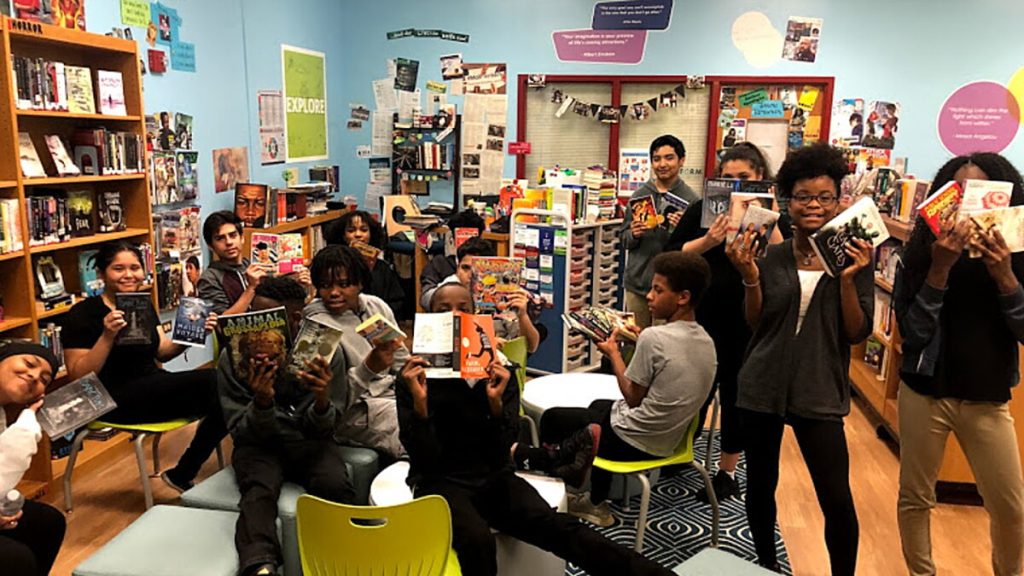
Jakarta, incaschool.sch.id – A well-organized Book Fair can do much more than display books for sale or exhibition. In a school environment, it can become a powerful tool for encouraging reading habits, celebrating learning, and building a stronger literacy culture. When students are surrounded by books in an engaging and accessible setting, reading becomes more visible, more exciting, and more closely connected to everyday school life. A book fair can help transform reading from a classroom requirement into a meaningful personal habit.
Schools that promote literacy successfully often understand that reading motivation needs both access and atmosphere. Students are more likely to read when books are appealing, available, and linked to positive experiences. A book fair creates exactly that kind of environment. It brings students, teachers, and families into a shared space centered on curiosity, language, and imagination.
Why book fairs matter in schools

A strong Book Fair matters because it gives students direct contact with books in a setting that feels active rather than routine. Instead of encountering reading only through assigned texts, students can browse topics freely, discover new genres, and choose books that reflect their interests. This sense of choice is important because reading habits often grow more naturally when students feel ownership over what they read.
Book fairs also support school-wide literacy goals. They create opportunities for discussion about books, introduce students to different types of reading material, and reinforce the message that reading is valued across the school community.
Encouraging reading habits through access and interest
One of the biggest strengths of a Book Fair is that it helps connect students with books that feel relevant and engaging. Not every student becomes a reader through the same kind of material. Some may prefer fiction, while others are drawn to science, biography, comics, history, or illustrated nonfiction. A fair that offers variety increases the chance that each student will find something meaningful.
Reading habits are encouraged when students can:
- Explore books independently
- Discover genres they had not considered before
- Choose titles based on interest
- Talk about books with peers and teachers
- Experience reading as enjoyable rather than forced
These moments may seem small, but they can influence long-term attitudes toward literacy in important ways.
Building a stronger literacy culture in school
A successful Book Fair does not stand alone. It works best as part of a broader effort to strengthen literacy culture across the school. This means reading is not treated as only an academic task, but as a shared value supported by teachers, school leaders, and families.
A book fair can contribute to literacy culture by:
- Making books more visible in school life
- Encouraging classroom conversations about reading
- Involving families in literacy events
- Celebrating student interest in books
- Supporting library use and reading initiatives
- Connecting reading with creativity and curiosity
When reading becomes part of the school atmosphere, students are more likely to see it as something normal, rewarding, and worth continuing.
Practical ways schools can make book fairs effective
To get the most from a Book Fair, schools should think carefully about how the event is planned and presented. The goal is not only to organize tables and titles, but to create excitement around reading itself.
Helpful strategies include:
- Offering a wide range of age-appropriate books
- Including affordable options when possible
- Creating reading corners or themed displays
- Inviting teachers to recommend books
- Hosting storytelling, author sessions, or literacy activities
- Encouraging student participation in organizing or presenting
These additions make the event more interactive and memorable. A book fair with some creativity tends to attract more attention than rows of silent books trying their best on folding tables.
The role of teachers and families
Teachers and families both strengthen the impact of a Book Fair. Teachers can connect the event to classroom reading goals, introduce students to different genres, and encourage thoughtful book choices. Families can support enthusiasm by attending, discussing books, and reinforcing reading at home.
This combined support helps students see reading as part of a wider community culture, not only a school requirement. That message can make a lasting difference, especially for younger learners.
Final thoughts
A Book Fair is a practical and inspiring way to encourage reading habits and build a strong school literacy culture. By giving students access to interesting books and creating a positive environment around reading, schools can support both literacy development and long-term interest in learning.
Reading habits often grow through repeated positive experiences. A well-planned book fair can be one of those experiences, opening the door to stronger literacy one book at a time.
Explore our “”Knowledge“” category for more insightful content!
Don't forget to check out our previous article: Music Programs: Harmonizing Talent and Passion In School