Jakarta, incaschool.sch.id – Well-designed Music Programs can play a powerful role in school life by helping students develop creativity, discipline, confidence, and emotional expression. Music is more than an extracurricular activity or performance skill. In many school environments, it becomes an important part of personal growth and educational development. Through singing, instrumental practice, ensemble work, and music appreciation, students learn not only how to perform, but also how to listen, collaborate, and commit to steady improvement.
Schools that invest in music programs create space for students to explore talent while building broader learning skills. These programs can support students who already have musical ability, but they are equally valuable for those who are simply curious and motivated to learn. Music education helps turn interest into progress and passion into structured development.
Why music programs matter in schools
Strong Music Programs matter because they contribute to education in ways that go beyond technical musical training. Students involved in music often strengthen concentration, memory, patience, and perseverance. Learning rhythm, melody, timing, and coordination requires focused practice, which can support better habits in other academic areas as well.
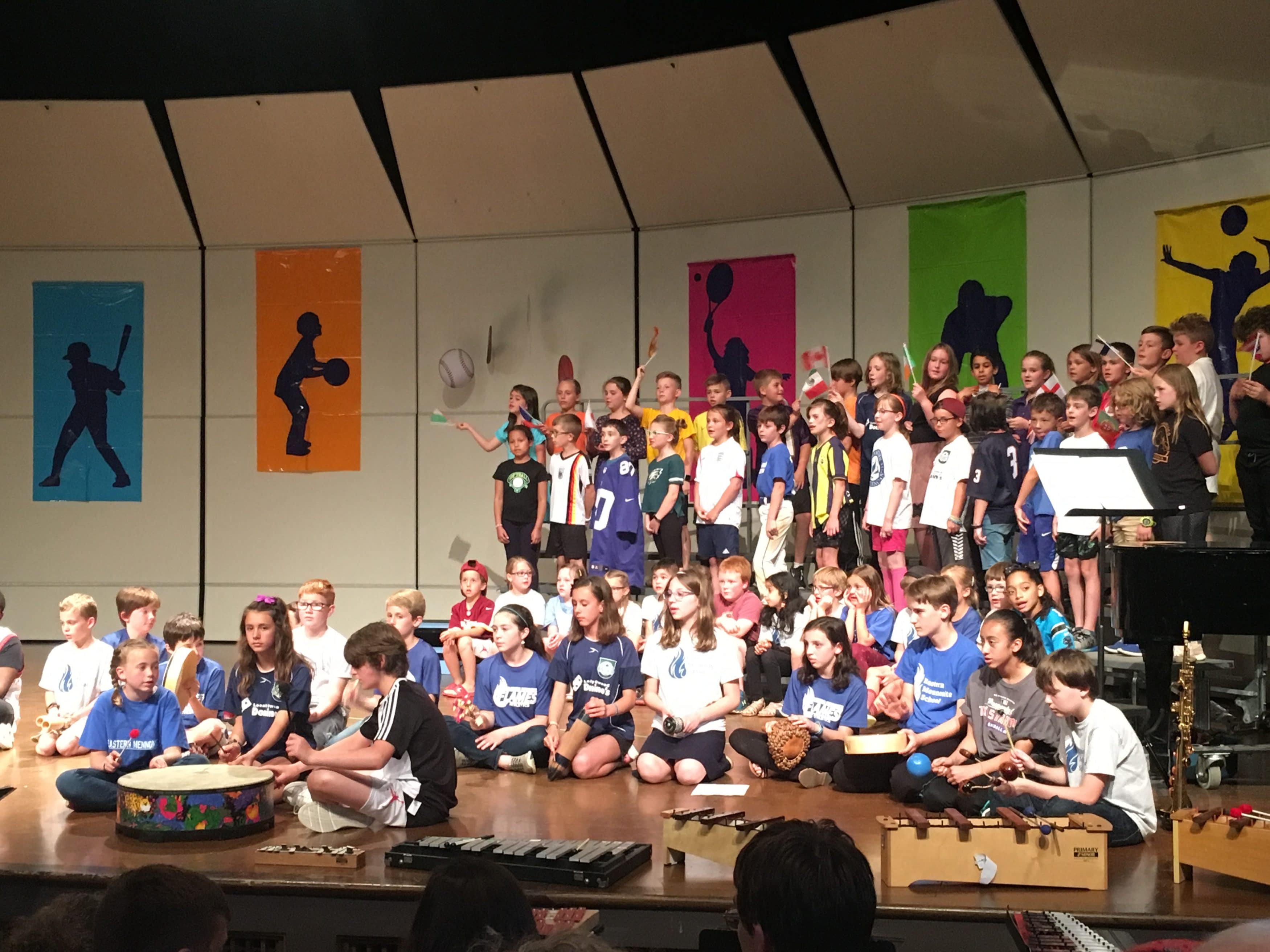
Music also supports emotional and social development. Students may gain confidence through performance, feel a stronger sense of belonging through group rehearsal, and learn teamwork through shared artistic goals. In this way, music becomes part of the school experience as both a discipline and a form of expression.
How music programs support student growth
The value of Music Programs is often seen in the range of skills students develop through regular participation.
These may include:
- Improved listening and concentration
- Greater self-discipline through practice
- Stronger confidence in performance settings
- Better collaboration through group activities
- Increased creativity and expression
- More appreciation for cultural and artistic diversity
Students also learn how progress develops over time. Musical improvement rarely happens instantly, which makes music an excellent teacher of patience. The instrument is usually quite honest about that.
Different forms of school music programs
Schools can structure Music Programs in different ways depending on resources, student needs, and educational goals. Effective programs may include both formal instruction and performance opportunities.
Common formats include:
- Choir or vocal groups
- Instrumental classes
- School bands or orchestras
- Music appreciation lessons
- Songwriting or composition activities
- Performance events and recitals
- Cultural music exploration
A varied program gives students multiple entry points. Some may enjoy performance, others may be more interested in theory, composition, or listening skills. The broader the access, the more inclusive the program becomes.
The role of teachers in music education
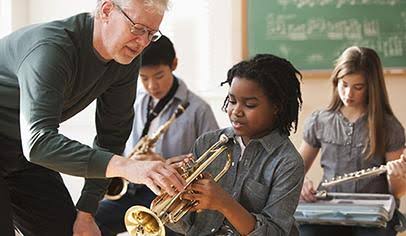
Teachers are central to successful Music Programs because they shape both technical instruction and student motivation. A strong music teacher helps students feel challenged without becoming discouraged. They guide practice, encourage discipline, and create a learning environment where students feel comfortable improving gradually.
Good music teaching often includes:
- Clear progression in skill development
- Encouragement for beginners as well as advanced students
- Balanced attention to technique and enjoyment
- Opportunities for individual and group participation
- Constructive feedback that builds confidence
This balance matters because music education should feel meaningful, not intimidating. Students are more likely to stay engaged when they feel both supported and capable of growth.
Music as part of a balanced education
One important strength of Music Programs is that they help schools offer a more balanced educational experience. Academic success is important, but students also benefit from opportunities that develop identity, expression, and cultural understanding. Music contributes to all three.
Programs in the arts often give students a place to thrive that may feel different from traditional classroom subjects. For some students, music becomes the area where confidence first begins to grow. That can have a positive effect across many parts of school life.
Final thoughts
Music Programs help harmonize talent and passion in school by giving students meaningful opportunities to learn, perform, and grow. Through music, students build discipline, creativity, confidence, and teamwork while developing a deeper appreciation for artistic expression.
A strong school music program does more than teach notes and rhythm. It helps students discover voice, commitment, and joy in learning. That is a contribution worth hearing clearly.
Explore our “”Knowledge“” category for more insightful content!
Don't forget to check out our previous article: Teacher Guidance: Helping Students Build Confidence, Discipline, and Study Direction