Gerontology is the multidisciplinary study of aging and the challenges that come with it. As the population of older adults continues to grow, understanding gerontology becomes increasingly important, not just for professionals in healthcare and social services but also for educators and students. In this article, we will explore the basics of gerontology and discuss ways to support seniors in high school, highlighting the significance of this field in fostering a compassionate and informed community.
1. Understanding Gerontology
Gerontology encompasses various aspects of aging, including biological, psychological, social, and economic factors. Here’s a closer look at its key components:
a. Biological Aspects
- Aging Process: Gerontology examines the physiological changes that occur as people age, including changes in mobility, sensory perception, and cognitive function.
- Health Concerns: Understanding common health issues faced by seniors, such as chronic diseases, mobility limitations, and mental health challenges, is crucial for providing appropriate support.
b. Psychological Aspects
- Mental Health: Aging can bring about mental health challenges, including depression and anxiety. Gerontology studies how these issues affect seniors and explores strategies for promoting mental well-being.
- Cognitive Changes: Research in gerontology also focuses on cognitive aging, including memory changes and the impact of neurodegenerative diseases like Alzheimer’s.
c. Social and Economic Factors
- Social Support: The social networks and relationships of older adults play a significant role in their well-being. Gerontology examines how social isolation and loneliness can affect seniors and the importance of community support.
- Economic Considerations: Financial stability is a critical aspect of aging. Gerontology looks at issues such as retirement planning, healthcare costs, and access to resources for seniors.
2. The Importance of Supporting Seniors in High School
As high school students prepare to enter adulthood, it is essential to cultivate an understanding of gerontology and the needs of seniors. Here are some reasons why this support is vital:
a. Fostering Empathy and Understanding
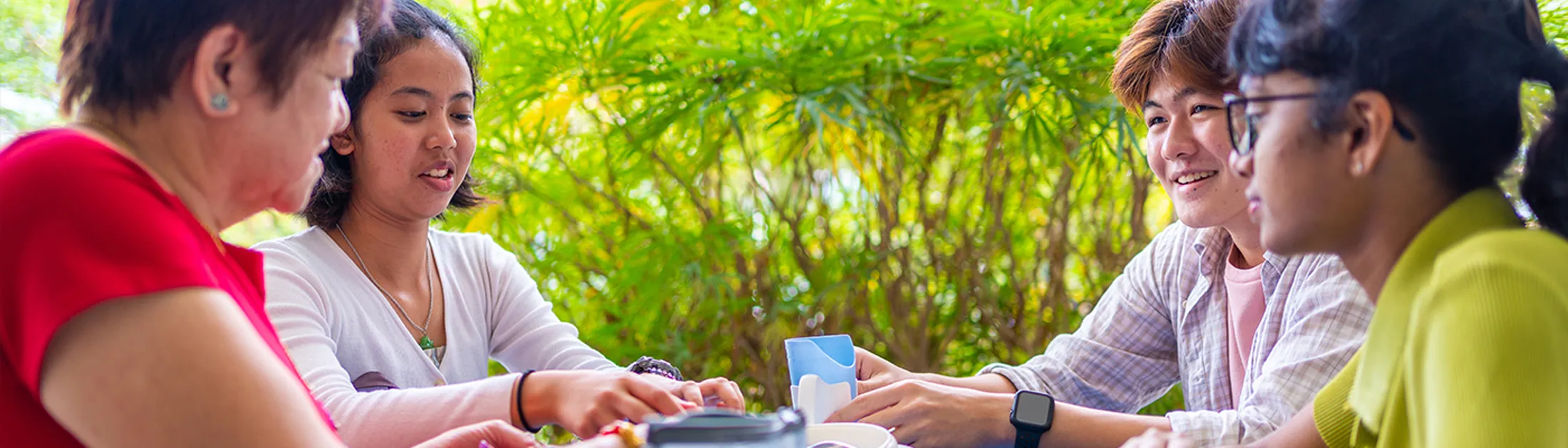
- Intergenerational Relationships: Encouraging high school students to engage with seniors can foster empathy and understanding. Programs that promote intergenerational activities, such as volunteering at local senior centers, can help bridge the gap between generations.
- Awareness of Aging Issues: Educating students about the challenges faced by seniors can help them appreciate the complexities of aging and the importance of respectful and supportive interactions.
b. Preparing for Future Careers
- Career Opportunities: Knowledge of gerontology can open doors to various career paths, including healthcare, social work, counseling, and education. By introducing students to this field, we can inspire future professionals who are dedicated to improving the lives of older adults.
- Skill Development: Understanding gerontology equips students with valuable skills, such as communication, problem-solving, and empathy, which are essential in any career.
3. Strategies for Supporting Seniors in High School
To effectively support seniors in high school, consider implementing the following strategies:
a. Educational Programs
- Curriculum Integration: Incorporate gerontology topics into the high school curriculum. This could include lessons on the aging process, health issues, and the importance of social support for seniors.
- Guest Speakers: Invite professionals in the field of gerontology to speak to students about their experiences and the importance of supporting older adults. This can provide real-world insights and inspire students.
b. Community Engagement
- Volunteering Opportunities: Create partnerships with local senior centers, nursing homes, or community organizations that serve older adults. Encourage students to volunteer their time, which can lead to meaningful interactions and learning experiences.
- Mentorship Programs: Develop mentorship programs that connect high school students with seniors. These relationships can provide valuable life lessons and foster mutual understanding.
c. Awareness Campaigns
- Promote Awareness: Organize campaigns to raise awareness about the challenges faced by seniors in the community. This could include events, workshops, or informational sessions that highlight the importance of supporting older adults.
- Advocacy Initiatives: Encourage students to advocate for policies and programs that support seniors. Engaging in advocacy can empower students and help them understand the impact of community involvement.
4. Conclusion
In conclusion, gerontology is a vital field that addresses the complexities of aging and the needs of older adults. By supporting seniors in high school, we can foster empathy, understanding, and awareness among students, preparing them for future careers and encouraging positive intergenerational relationships.
By integrating gerontology into the educational experience, promoting community engagement, and raising awareness, we can create a more compassionate and informed society that values and supports its senior members. Embracing the principles of gerontology not only benefits older adults but also enriches the lives of younger generations, creating a brighter future for all.