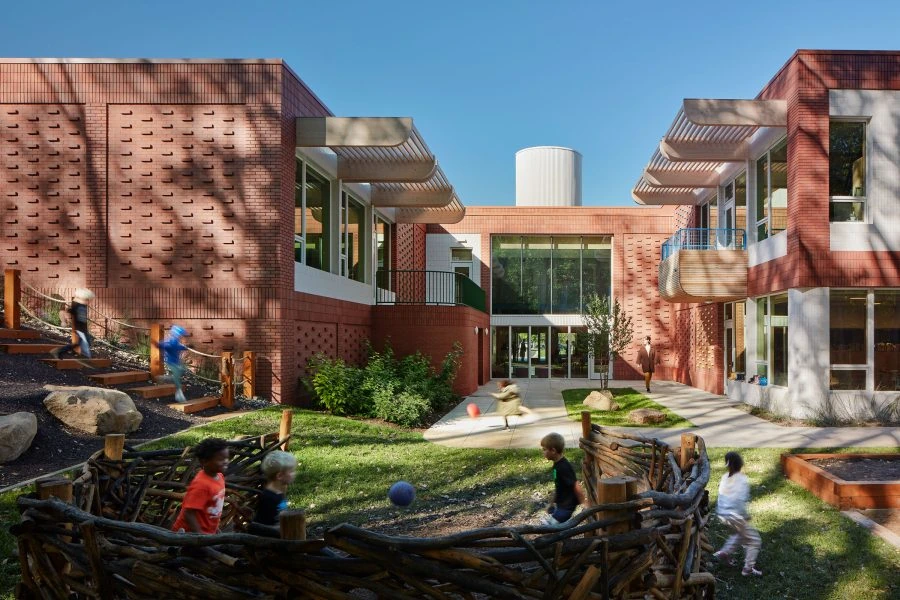
1. Importance of Sustainable School Solutions

The need for sustainable school solutions is underscored by the growing concerns about climate change, resource depletion, and environmental degradation. Educational institutions play a crucial role in addressing these issues by modeling sustainable practices and instilling a sense of environmental responsibility in students. By integrating sustainability into the school curriculum and operations, schools can contribute to the global movement towards a more sustainable future.
2. Key Initiatives in Sustainable School Solutions
– Green Building Practices
One of the most impactful sustainable school solutions involves the construction and renovation of school buildings. Green building practices focus on creating structures that are energy-efficient, environmentally friendly, and conducive to learning. Key features of green school buildings may include:
- Energy-efficient Lighting: Utilizing LED lighting and maximizing natural light through strategically placed windows can significantly reduce energy consumption.
- Sustainable Materials: Using recycled, locally sourced, and non-toxic materials in construction minimizes the environmental impact and promotes healthier indoor air quality.
- Rainwater Harvesting: Implementing systems to collect and reuse rainwater for irrigation and other non-potable uses can conserve water resources.
– Renewable Energy Sources
Many schools are turning to renewable energy sources to power their operations. Solar panels, wind turbines, and geothermal systems are increasingly being installed to reduce reliance on fossil fuels. These renewable energy solutions not only decrease greenhouse gas emissions but also provide educational opportunities for students to learn about clean energy technologies.
– Waste Reduction and Recycling Programs
Implementing effective waste reduction and recycling programs is another essential aspect of sustainable school solutions. Schools can adopt practices such as:
- Composting: Establishing composting systems for food waste helps reduce landfill contributions and provides nutrient-rich soil for school gardens.
- Single-Stream Recycling: Simplifying recycling processes by allowing all recyclable materials to be placed in a single bin encourages participation and reduces contamination.
- Waste Audits: Conducting waste audits helps schools identify areas for improvement and develop targeted strategies for reducing waste generation.
3. Integrating Sustainability into the Curriculum
In addition to operational initiatives, integrating sustainability into the school curriculum is vital for fostering environmental awareness among students. Schools can implement programs that include:
- Environmental Education: Courses focused on ecology, conservation, and climate change equip students with the knowledge and skills needed to address environmental challenges.
- Hands-On Projects: Engaging students in hands-on projects, such as creating school gardens or participating in community clean-up events, reinforces the importance of sustainability in practical ways.
- Interdisciplinary Approaches: Incorporating sustainability themes across various subjects—such as science, social studies, and art—helps students understand the interconnectedness of environmental issues.
4. Benefits of Sustainable School Solutions
The implementation of sustainable school solutions yields numerous benefits for educational institutions, students, and the wider community:
- Cost Savings: Energy-efficient practices and waste reduction initiatives can lead to significant cost savings for schools, allowing funds to be redirected towards educational programs and resources.
- Enhanced Learning Environments: Sustainable practices contribute to healthier indoor environments, which can improve student concentration, attendance, and overall academic performance.
- Community Engagement: Schools that embrace sustainability often engage with local communities, fostering partnerships and encouraging broader participation in environmental initiatives.
5. Challenges and Considerations
While the benefits of sustainable school solutions are clear, challenges may arise during implementation:
- Funding and Resources: Securing funding for sustainable initiatives can be a barrier, particularly for underfunded schools. Grants, partnerships, and community support can help overcome this challenge.
- Staff Training: Educators may require training and resources to effectively integrate sustainability into their teaching practices. Professional development opportunities can enhance teachers’ knowledge and confidence in this area.
6. Conclusion
In conclusion, sustainable school solutions represent a vital approach to promoting environmentally friendly practices within educational institutions. By implementing initiatives such as green building practices, renewable energy sources, and waste reduction programs, schools can significantly reduce their ecological footprint while educating future generations about the importance of sustainability. As schools continue to evolve, embracing these solutions will not only benefit the environment but also enhance the learning experience for students, preparing them to be responsible stewards of the planet. The commitment to sustainability in education is an investment in a healthier, more sustainable future for all.