
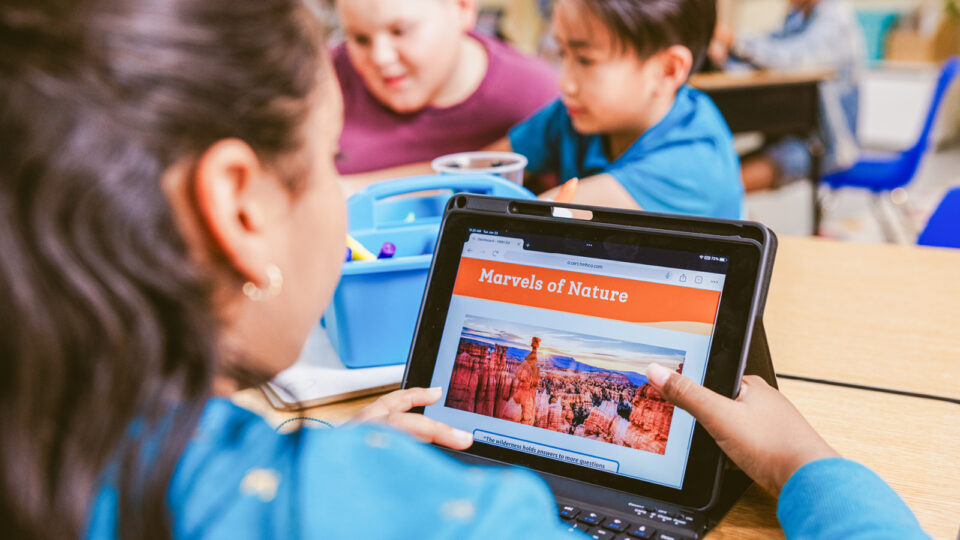
Jakarta, incaschool.sch.id – Education is no longer shaped only by textbooks, lectures, and physical classrooms. Schools today operate in a world influenced by digital tools, online information, interactive platforms, and changing expectations about how students learn and how teachers teach. In that environment, technology is not simply an add-on. When used thoughtfully, it becomes part of the learning process itself. That is why School Technology Integration matters so much. To me, school technology integration is the intentional use of digital tools, platforms, and systems within teaching, learning, communication, and school operations in order to improve educational experiences and outcomes.
Why School Technology Integration Matters

In my experience, School Technology Integration matters because it can make learning more flexible, interactive, and responsive to student needs. Digital resources can support visual learning, collaborative work, immediate feedback, research access, differentiated instruction, and communication beyond the classroom. Teachers can use technology to present concepts in multiple ways, while students can engage with material more actively and independently.
This becomes especially important because students are preparing for a world where digital literacy is essential. Schools are not only responsible for teaching subject content. They also help students build the ability to navigate technology critically, responsibly, and effectively. When integration is done well, it strengthens both academic learning and future readiness.
There is also a strong connection to educational Knowledge, digital literacy, instructional design, student engagement, communication, and school improvement here. Good school technology integration is not simply about having devices in classrooms. It is about enhancing learning through school innovation in ways that are purposeful, equitable, and educationally sound.
My Perspective on Innovation in Schools
What changed my understanding of School Technology Integration was realizing that technology alone does not improve education. At first, some may think innovation means using more devices or more software. But over time, I came to see that the real value lies in how tools are used. Technology is most effective when it supports clear learning goals, strengthens teaching practice, and helps students engage more deeply with content.
That is what makes this topic meaningful to me. School technology integration is not only about modernization. It is about using innovation to improve the quality and accessibility of learning.
Core Benefits of School Technology Integration
I think the value of School Technology Integration becomes easier to understand when its major benefits are broken down clearly.
Improved engagement
Interactive tools can make lessons more dynamic and participatory.
Flexible access to learning
Students can access materials beyond classroom hours.
Differentiated instruction
Teachers can adapt resources to different learning needs.
Faster feedback
Digital platforms can support timely assessment and response.
Collaboration opportunities
Students can work together through shared platforms and online tools.
Digital literacy development
Students build skills needed for modern academic and professional life.
Common Challenges in School Technology Integration
I have noticed that School Technology Integration also comes with several challenges.
Unequal access
Not all students have the same level of device or internet access.
Teacher training needs
Effective integration depends on staff confidence and skill.
Overreliance on tools
Technology should support learning, not distract from it.
Technical problems
Connectivity issues and system failures can interrupt instruction.
Implementation gaps
Schools may have technology without a clear educational strategy.
Practical Value of School Technology Integration
I believe School Technology Integration offers lasting value because it supports both immediate learning and long-term readiness.
It broadens instructional methods
Teachers can present material in varied and engaging formats.
It supports independent learning
Students can review content at their own pace.
It improves communication
Schools can connect more efficiently with students and families.
It prepares students for digital environments
Technology-rich learning reflects real-world demands.
It can strengthen school systems
Administrative and academic processes may become more efficient.
Below is a simple overview of how school technology integration enhances learning:
| School Technology Integration Area | Why It Matters | Example in Practice |
|---|---|---|
| Classroom engagement | Makes learning more interactive | A teacher uses digital quizzes and multimedia lessons |
| Flexible access | Extends learning beyond class time | Students review recorded lessons from home |
| Differentiated instruction | Supports varied learning needs | Software adapts reading tasks to student level |
| Collaboration | Encourages shared learning | Students complete group projects on a shared platform |
| Digital literacy | Builds future-ready skills | Students learn research, presentation, and online communication tools |
These examples show that school technology integration is not simply about using modern devices. It is a practical way of enhancing learning through school innovation.
Why School Technology Integration Matters Beyond the Classroom
I think School Technology Integration matters because its impact reaches beyond lesson delivery. It influences school culture, communication, access, readiness, and the broader relationship between education and society. Students who learn in thoughtful digital environments are better prepared to navigate a world where technology shapes work, information, and daily life.
That broader significance is what makes this topic so valuable. School technology integration is not only about educational tools. It is about connecting schools to the realities and possibilities of contemporary learning.
Final Thoughts
For me, School Technology Integration is one of the most important parts of educational innovation because it helps schools respond to changing learning needs with creativity and purpose. When guided by sound teaching and equitable access, technology can strengthen both learning quality and student preparedness.
That is why it matters so much. School technology integration is not simply about digitizing education. It is about enhancing learning through school innovation in thoughtful and meaningful ways.
Explore our “”Knowledge“” category for more insightful content!
Don't forget to check out our previous article: High Shool Electives: Choosing the Right Classes for Future Career Goals