
Jakarta, incaschool.sch.id – A school functions best when learning takes place in an environment that feels predictable, respectful, and secure. Students need space to concentrate, teachers need conditions that support instruction, and the wider school community depends on shared expectations to keep daily life running smoothly. That is where School Regulations become especially important. To me, school regulations are the formal rules and behavioral guidelines that help maintain safety, order, fairness, and accountability within a school setting.
Why School Regulations Matter
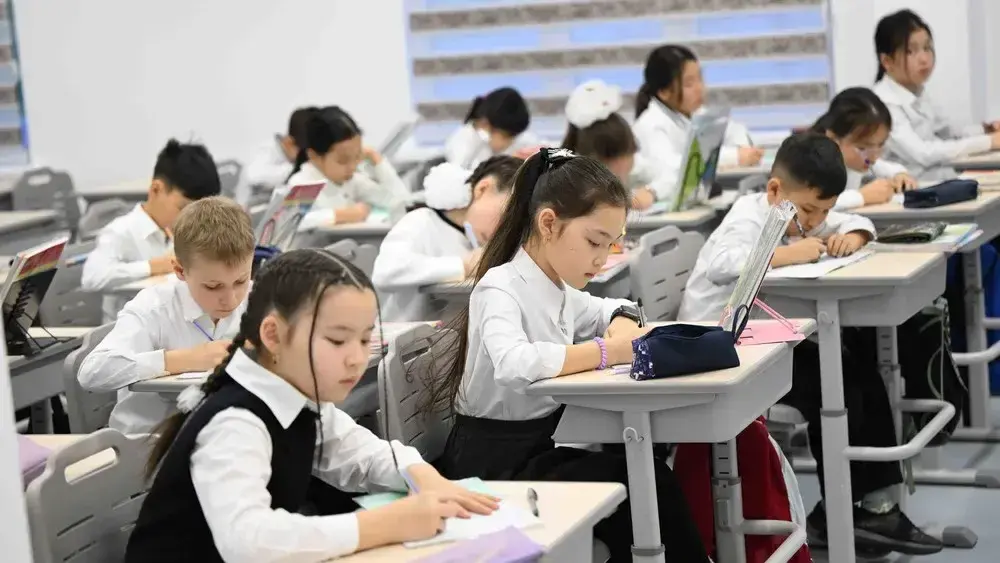
In my experience, School Regulations matter because a school is a shared environment with many people, different personalities, and constant movement throughout the day. Without clear rules, even ordinary routines such as arriving on time, moving between classes, using facilities, or interacting respectfully can become inconsistent and disruptive. Regulations help create structure so that the school day remains manageable and focused.
This becomes especially important because schools are responsible not only for education, but also for student well-being. Rules around attendance, conduct, uniforms, safety procedures, classroom behavior, and the use of school property are not simply administrative details. They are part of how schools protect students and support a functioning learning atmosphere.
There is also a strong connection to student Knowledge, discipline, responsibility, fairness, school safety, behavioral expectations, accountability, and institutional order here. Good school regulations are not simply restrictions. They are frameworks that help ensure a safe and orderly environment where learning can take place more effectively.
My Perspective on Rules in School Life
What changed my understanding of School Regulations was realizing that the best rules are not only strict. They are clear, fair, and consistently applied. At first, some may think school regulations exist mainly to control students. But over time, I came to see that effective regulations also protect students, reduce confusion, and make expectations easier to understand. A poorly explained rule can create frustration, while a clear and fairly enforced rule can support both order and trust.
That is what makes this topic meaningful to me. School regulations are not only about control. They are about creating a school environment where people know what is expected and why those expectations matter.
Main Areas Covered by School Regulations
I think the value of School Regulations becomes clearer when the main areas they cover are broken down directly.
Attendance and punctuality
These rules support consistency and reduce disruption.
Behavior and respect
Clear expectations guide how students interact with staff and peers.
Safety procedures
Emergency rules help protect the school community.
Use of school property
Guidelines help prevent misuse and damage.
Dress and presentation
Some schools use dress rules to support order and identity.
Academic conduct
Rules may address honesty, plagiarism, and classroom behavior.
Common Challenges Related to School Regulations
I have noticed that School Regulations can also create challenges when they are not handled well.
Inconsistent enforcement
Rules lose credibility when they are applied unevenly.
Lack of clarity
Students may struggle to follow expectations they do not fully understand.
Overly rigid policies
Rules that ignore context can feel unfair.
Poor communication
Families and students need clear explanation of expectations.
Resistance from students
Rules are harder to follow when students see no purpose behind them.
Practical Ways to Make School Regulations More Effective
I believe School Regulations work best when schools focus on both structure and understanding.
Keep rules clear
Students should know what is expected in simple terms.
Explain the purpose
People follow rules more responsibly when they understand why they exist.
Apply policies fairly
Consistency builds trust.
Balance discipline with guidance
Rules should teach responsibility, not only punish mistakes.
Review policies regularly
Schools should adjust regulations when needs change.
Below is a simple overview of how school regulations support the school environment:
| School Regulations Area | Why It Matters | Example in Practice |
|---|---|---|
| Attendance | Supports continuity in learning | Students are expected to arrive on time each day |
| Behavior | Maintains respect and order | Disruptive conduct leads to structured consequences |
| Safety | Protects students and staff | Emergency drills are practiced regularly |
| Property use | Preserves shared resources | Students are expected to care for classroom materials |
| Academic conduct | Supports fairness | Rules prohibit cheating and plagiarism |
These examples show that school regulations are not simply formal requirements. They are practical systems that help schools operate safely, fairly, and with greater consistency.
Why School Regulations Matter Beyond Rule Enforcement
I think School Regulations matter because their value extends beyond immediate order. They also help students learn responsibility, respect boundaries, and understand how shared communities function. When students experience fair rules and consistent expectations, they build habits that can support future behavior in workplaces, institutions, and public life.
That broader significance is what makes this topic so valuable. School regulations are not only about preventing problems. They are also about preparing students to live and work within structured communities.
Final Thoughts
For me, School Regulations are one of the essential foundations of a healthy school environment because they support safety, fairness, and everyday order. When rules are clear, reasonable, and consistently applied, they help students and staff work together more effectively.
That is why they matter so much. School regulations are not simply restrictions on student behavior. They are practical frameworks for ensuring a safe and orderly environment where education can thrive.
Explore our “”Knowledge“” category for more insightful content!
Don't forget to check out our previous article: Junior high clubs: Encouraging Creativity, Friendship, and Student Engagement