
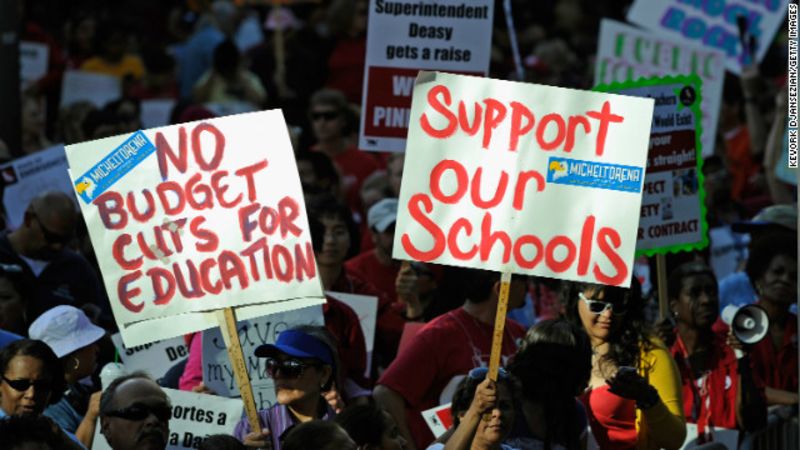
Jakarta, incaschool.sch.id – When people discuss the quality of education, the conversation often turns quickly to teaching, curriculum, student outcomes, or school leadership. But underneath all of those visible elements lies a less visible force that shapes what schools can realistically provide: School Funding Issues. These issues affect staffing, facilities, classroom resources, technology, support services, extracurricular programs, and overall learning conditions. In my view, understanding school funding issues is essential because budget challenges do not stay in accounting reports. They directly influence the daily experience of students and educators.
Why School Funding Issues Matter

At the most basic level, School Funding Issues matter because schools need reliable resources to operate effectively. Education requires more than good intentions. Schools must pay teachers and staff, maintain buildings, provide learning materials, support transportation, fund special programs, and respond to changing student needs. When funding is limited, unstable, or unevenly distributed, schools often face difficult trade-offs that can affect educational quality.
This becomes especially important because not all schools begin from the same financial position. Differences in local revenue, public policy, enrollment patterns, and community wealth can create unequal conditions between districts or even between schools in the same region. As a result, funding issues are not only about how much money schools receive. They are also about fairness, access, and how resources are allocated.
There is also a strong connection to educational Knowledge and long-term development here. School funding shapes learning environments, instructional capacity, and the opportunities available to students over time.
My Perspective on Budget Challenges
What changed my understanding of School Funding Issues was realizing that budget pressure affects far more than large capital projects or administrative decisions. At first, school funding may seem like a distant policy topic handled by governments and district leaders. But over time, I came to see that budget challenges often appear in very practical ways: larger class sizes, fewer support staff, outdated materials, delayed building repairs, reduced arts programs, limited counseling services, or fewer extracurricular options.
That is what makes this topic meaningful to me. School funding issues are not only financial concerns. They are educational realities that shape how students learn and how teachers teach every day.
Core Areas Affected by School Funding Issues
I think School Funding Issues become easier to understand when their impact is broken down into clear areas.
Staffing
Budget limits can affect teacher hiring, retention, and support personnel.
Learning resources
Schools may struggle to provide updated books, lab equipment, and classroom materials.
Facilities
Building maintenance, repairs, and safety upgrades often depend on available funding.
Student support services
Counseling, special education support, health services, and intervention programs may be reduced.
Technology
Limited budgets can slow access to devices, internet tools, and digital learning systems.
Extracurricular opportunities
Arts, sports, and clubs may face cuts when resources are tight.
Common Causes of School Funding Issues
I have noticed that School Funding Issues often grow from several recurring factors.
Unequal revenue sources
Some schools have stronger local tax bases than others.
Policy decisions
Government funding formulas and budget priorities shape what schools receive.
Rising costs
Inflation, staffing costs, maintenance, and student needs increase over time.
Enrollment changes
Falling or fluctuating enrollment can reduce funding in some systems.
Economic pressure
Wider financial downturns may limit public education budgets.
How School Funding Affects Education Quality
I believe School Funding Issues influence education quality in both direct and indirect ways.
Class size and attention
Lower funding may lead to larger classes and less individualized support.
Teacher workload
Fewer staff can increase pressure on educators and reduce instructional effectiveness.
Student opportunity
Program cuts may limit access to enrichment and personal development.
Learning environment
Poor facilities and outdated materials can weaken engagement and performance.
Equity
Funding gaps can widen educational inequality between different communities.
Below is a simple overview of how school funding issues affect budget challenges and education quality:
| School Funding Issues Area | Why It Matters | Example in Practice |
|---|---|---|
| Staffing | Shapes instruction and support capacity | Fewer teachers leading to larger classes |
| Learning resources | Affects classroom quality | Outdated textbooks or limited lab supplies |
| Facilities | Influences safety and comfort | Delayed repairs to aging school buildings |
| Student services | Supports well-being and intervention | Reduced access to counselors or specialists |
| Extracurricular programs | Expands student development | Cuts to arts, sports, or after-school clubs |
These examples show that school funding issues are not abstract concerns. They shape the real conditions in which teaching and learning take place.
Why School Funding Issues Matter Beyond the School Building
I think School Funding Issues matter because education quality has long-term effects far beyond the classroom. When schools face persistent budget challenges, the impact can extend into student confidence, graduation pathways, workforce readiness, and community development. Well-funded schools are better positioned to provide supportive, equitable, and engaging learning environments. Underfunded schools often face barriers that are difficult to overcome without broader structural change.
That broader significance is what makes this topic so important. School funding issues are not only about balancing a budget. They are about what kind of educational future a society is willing to support.
Final Thoughts
For me, School Funding Issues are one of the most important topics in education because they sit beneath so many visible outcomes. Budget challenges influence staffing, resources, services, facilities, and opportunities in ways that directly affect education quality. Understanding these issues helps explain why some schools thrive while others struggle under ongoing financial pressure.
That is why the topic matters so much. School funding issues are not simply financial questions. They are central to fairness, educational quality, and the long-term success of students and communities.
Explore our “”Knowledge“” category for more insightful content
Don't forget to check out our previous article: High school graduation: Key Milestones and Tips to Finish Strong