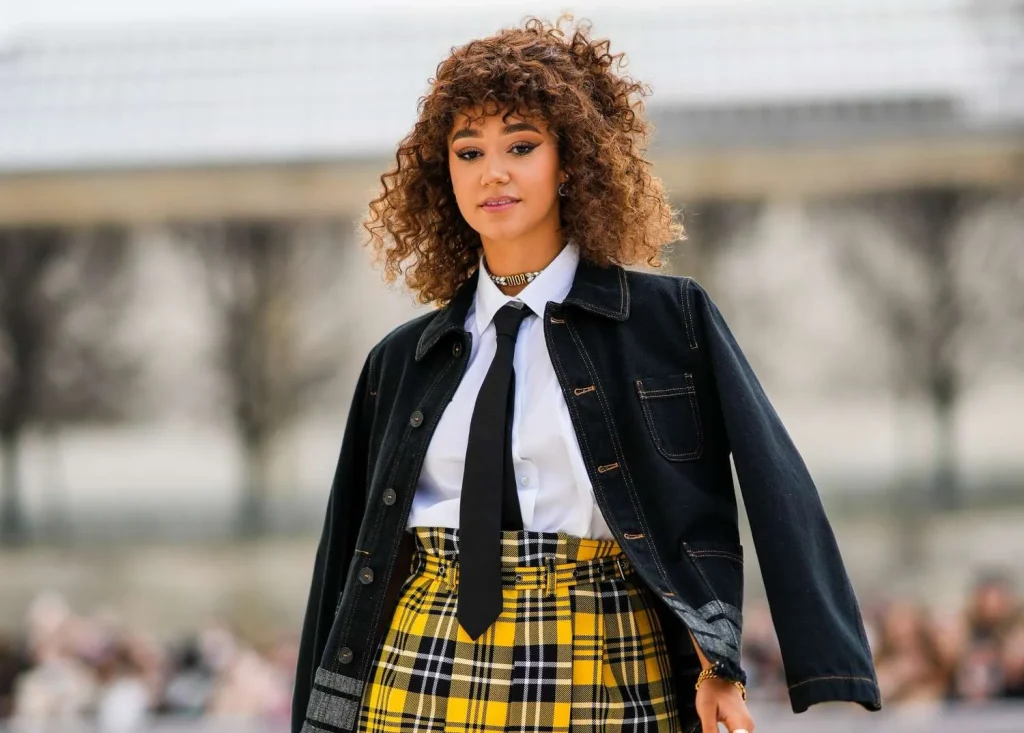
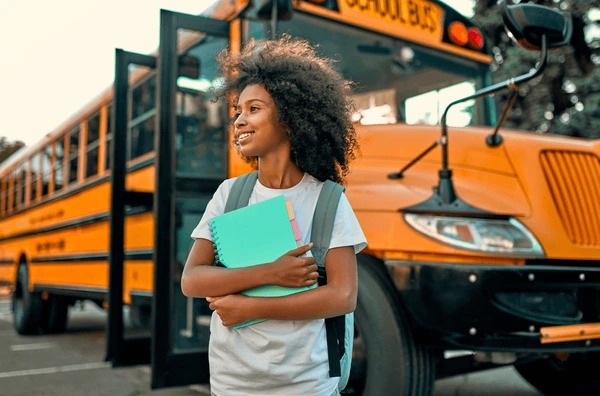
School fashion is more than just clothing; it’s a form of self-expression that reflects personal style, cultural influences, and the evolving trends within educational environments. As students and educators alike navigate their daily routines, the way they dress can impact their confidence, creativity, and sense of belonging. In this article, I’ll share some trendsetting styles, practical tips, and relatable stories that highlight the significance of fashion in schools.
1. The Evolution of School Fashion
:max_bytes(150000):strip_icc()/schoolcoretrend-lead-7318cdc8b96a4bceb08cc6ebbab59ede.jpg)
Over the years, school fashion has evolved significantly, influenced by cultural shifts, social media, and the desire for individuality. Here are some key trends that have shaped school fashion:
– Casual Chic
- Definition: Casual chic combines comfort with style, making it a popular choice for students and educators. Think well-fitted jeans paired with stylish tops or casual dresses that allow for easy movement.
- Example: Many students opt for high-waisted jeans paired with oversized sweaters or graphic tees, creating a relaxed yet fashionable look that’s perfect for a busy school day.
– Athleisure
- Definition: Athleisure has become a staple in school fashion, blending athletic wear with everyday clothing. This trend emphasizes comfort while still looking put-together.
- Example: Leggings or joggers paired with stylish sneakers and a trendy hoodie or crop top are perfect for students who want to stay comfortable while maintaining a fashionable edge.
2. Practical Tips for School Fashion
To help you navigate school fashion successfully, here are some practical tips for both students and educators:
– Dress for Comfort
- Layering: Schools can fluctuate in temperature, so layering is key. A light jacket or cardigan over a t-shirt can keep you comfortable throughout the day.
- Footwear Matters: Choose shoes that are both stylish and comfortable, especially for those long days on your feet. Sneakers or stylish flats can offer the best of both worlds.
– Express Your Individuality
- Accessorize: Accessories can elevate any outfit. Consider adding statement necklaces, colorful scarves, or unique bags to express your personality.
- Mix and Match: Don’t be afraid to mix patterns and textures. Combining different styles can create a unique look that stands out while still being school-appropriate.
– Stay Within Dress Codes
- Know the Rules: Familiarize yourself with your school’s dress code to ensure your fashion choices align with the guidelines. This helps avoid any unnecessary issues while allowing you to express your style within those boundaries.
- Smart Casual for Educators: Educators can opt for smart casual attire that maintains professionalism while allowing for personal style. Think tailored pants with a stylish blouse or a blazer paired with comfortable shoes.
3. Relatable Stories in School Fashion
Fashion in schools often comes with memorable experiences that resonate with many. Here are a couple of relatable stories:
– The Power of a Statement Piece
One of my friends, Sarah, decided to wear a bold, patterned skirt on the first day of her junior year. She was nervous about standing out but received countless compliments throughout the day. This simple act of wearing something she loved boosted her confidence and encouraged her to embrace her unique style moving forward.
– Navigating Dress Codes
Another friend, Jake, faced challenges with his school’s strict dress code. He loved wearing graphic tees, but they were often deemed inappropriate. Instead of giving up, he started customizing plain shirts with fabric paint, creating unique designs that adhered to the dress code while allowing him to express his creativity. His initiative not only made him stand out but inspired others to think outside the box regarding school fashion.
4. Conclusion
In conclusion, school fashion is an essential aspect of the educational experience, allowing students and educators to express their individuality while navigating their daily routines. By embracing trends like casual chic and athleisure, dressing for comfort, and finding ways to express personal style within dress codes, everyone can find their unique fashion identity. The stories shared highlight the impact that fashion can have on confidence and self-expression in school settings. Ultimately, school fashion is about feeling good in what you wear and using it as a tool for self-empowerment and creativity. Embrace your style, and let your fashion choices reflect who you are!