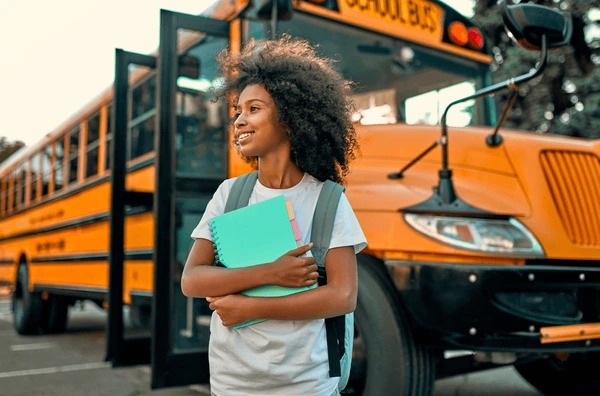

JAKARTA, incaschool.sch.id – Research Skill: Uncovering Facts in Junior High School is way more important than I used to think. Back in my own junior high days, honestly, I mostly just copy-pasted stuff from the internet and called it a day. But wow – the first time a teacher caught my “facts” were actually way off, it was a wake-up call. Trust me, I learned it the hard way!
Developing strong research skills is essential for success in junior high school and beyond. As students transition from elementary to middle school, the ability to gather, evaluate, and synthesize information becomes increasingly important. In this guide, I will share my honest experiences and practical tips for honing research skills, allowing you to become a fact detective in your academic journey.
Understanding the Importance of Research Skills

Research skills are vital for various reasons:
a. Critical Thinking
- Evaluating Information: Research skills enable students to critically assess the credibility and relevance of sources. This ability is crucial in an age where misinformation is prevalent.
- Formulating Arguments: Strong research skills help students construct well-informed arguments and support their opinions with factual evidence.
b. Academic Success
- Improving Grades: Mastering research skills can lead to better performance on assignments, projects, and exams. Well-researched work often stands out and earns higher grades.
- Preparing for Future Studies: Developing research skills in junior high lays the foundation for success in high school and college, where independent research becomes increasingly important.
My Journey in Developing Research Skills
During my time in junior high, I faced various challenges while developing my research skills. Here are some key experiences that shaped my understanding:
a. Starting with the Basics
In my early research projects, I often struggled to find reliable sources. I quickly learned the importance of starting with credible materials.
- Library Resources: My school library was an invaluable resource. I discovered that librarians could assist in locating books, articles, and databases relevant to my research topics.
- Lesson Learned: I realized that utilizing library resources and asking for help from librarians can significantly enhance the quality of my research.
b. Using Online Resources Wisely
As I progressed, I began exploring online resources. However, I quickly learned that not all information found online is trustworthy.
- Evaluating Websites: I developed a checklist for evaluating websites, considering factors such as the author’s credentials, the publication date, and the presence of citations.
- Lesson Learned: Understanding how to differentiate between reliable and unreliable sources online is crucial for effective research. Websites ending in .edu, .gov, or .org are often more credible.
Effective Research Strategies
Here are some practical strategies that helped me become a more effective researcher:
a. Define Your Research Question
- Narrowing Focus: Before diving into research, I learned to define a clear and concise research question. This focus helped guide my search and made the process more manageable.
- Example: Instead of researching “climate change,” I focused on “the impact of climate change on polar bear populations.” This specific question allowed for a more in-depth exploration.
b. Take Organized Notes
- Note-Taking Techniques: I experimented with different note-taking methods, such as the Cornell method and mind mapping. Finding a system that worked for me helped keep my thoughts organized.
- Citing Sources: I learned the importance of keeping track of sources while taking notes. This practice made it easier to create citations later and avoid plagiarism.
c. Synthesize Information
- Combining Sources: After gathering information, I practiced synthesizing data from multiple sources. This skill allowed me to create a well-rounded perspective on my research topic.
- Creating Outlines: I often created outlines before writing my papers. This step helped organize my thoughts and ensured that I covered all relevant points.
Overcoming Challenges
Throughout my journey, I encountered several challenges that tested my research skills:
a. Information Overload
- Feeling Overwhelmed: At times, I felt overwhelmed by the sheer volume of information available. It was challenging to determine what was relevant to my research question.
- Solution: I learned to set limits on my research time and focus on a few high-quality sources rather than trying to read everything. This approach helped me stay focused and avoid burnout.
b. Staying Motivated
- Research Fatigue: Sometimes, I struggled to maintain motivation during lengthy research projects. The process can feel tedious, especially when faced with complex topics.
- Solution: I discovered that breaking the project into smaller tasks and setting deadlines for each stage made the process more manageable and rewarding. Celebrating small milestones kept me motivated.
Conclusion
In conclusion, developing strong research skills is essential for academic success in junior high school and beyond. My journey to becoming a fact detective taught me the importance of critical thinking, effective strategies, and the value of perseverance.
By applying the tips and strategies outlined in this guide, you can enhance your research skills and become a more effective student. Embrace the process of uncovering facts, and remember that every piece of information contributes to your understanding of the world. With dedication and practice, you can master the art of research and excel in your academic pursuits.
Explore our “Knowledge” category for more insightful content!
Don't forget to check out our previous article: Music: Theory, Performance, and Appreciation in School