
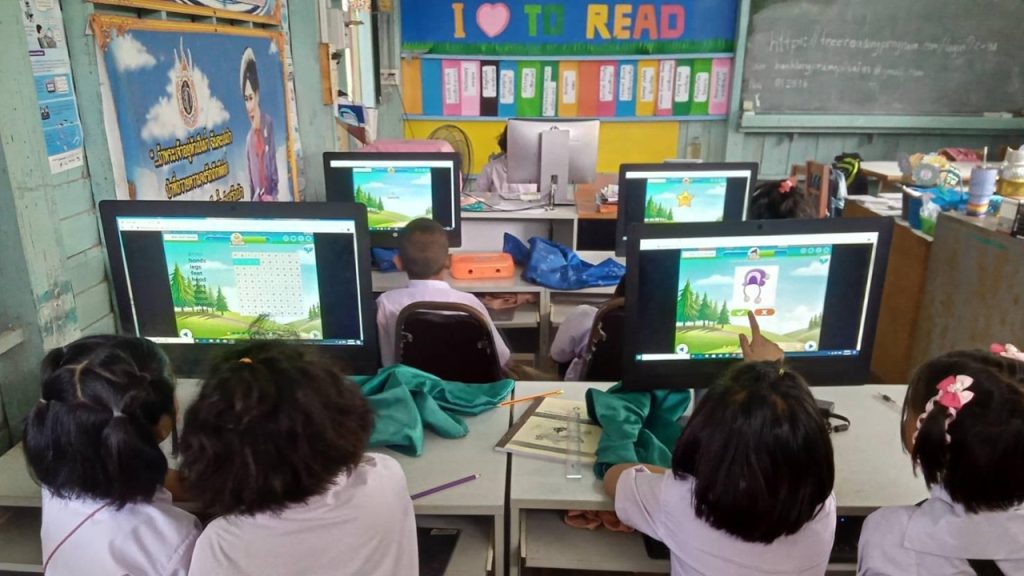
Jakarta, incaschool.sch.id – Reading is one of the most important skills students develop throughout their education. It supports not only language growth, but also learning across nearly every subject area. When students read well, they are better able to understand instructions, analyze information, expand vocabulary, and express ideas clearly. That is why a Reading Program is such a valuable part of student development. It provides structured support that helps learners strengthen literacy, build reading confidence, and improve comprehension over time. When designed well, a reading program does more than teach students how to decode words. It helps them become more capable and independent learners.
Why a Reading Program Matters

A Reading Program matters because literacy affects academic performance in both direct and indirect ways. Students who struggle with reading often find it harder to keep up in subjects like science, mathematics, and social studies because so much classroom learning depends on understanding written material. On the other hand, students with stronger reading skills are often better equipped to absorb new information, interpret questions, and engage more actively in class.
This becomes especially important because reading ability is closely linked to student confidence. A learner who can read fluently and understand texts is more likely to participate, complete assignments independently, and feel capable in the classroom. A structured reading program helps create that foundation by offering regular practice, targeted instruction, and measurable progress.
There is also a strong connection to literacy development, reading fluency, vocabulary growth, comprehension skills, academic confidence, student engagement, language learning, and independent study here. A strong understanding of the Reading Program is not simply about teaching students to read more words. It is about helping them read with understanding, confidence, and purpose.
My Perspective on Literacy Support
What changed my understanding of the Reading Program was realizing that reading improvement is not only a technical issue. It is also emotional and motivational. At first, some may think a reading program is mainly about worksheets, phonics, or assigned books. But over time, it becomes clear that successful programs also help students feel safe enough to try, make mistakes, and improve. Confidence grows when students experience progress, and that progress often leads to deeper interest in learning.
That is what makes this topic meaningful. A reading program is not only a classroom strategy. It is also a support system for helping students believe in their own ability to learn.
Core Ways a Reading Program Supports Students
The value of the Reading Program becomes clearer when its main benefits are broken down directly.
Literacy development
Students strengthen core reading skills such as decoding, fluency, and vocabulary.
Comprehension improvement
A program teaches students how to understand, interpret, and respond to texts.
Confidence building
Regular success in reading often improves student self-belief.
Academic support
Better reading skills help students perform across multiple subjects.
Independent learning growth
Students become more capable of reading and learning on their own.
Common Features of an Effective Reading Program
I have noticed that a Reading Program becomes especially effective when it includes practical and supportive elements.
Guided reading practice
Students benefit from instruction that matches their reading level.
Vocabulary support
Learning new words improves both comprehension and expression.
Repeated reading opportunities
Practice helps students become more fluent and comfortable.
Discussion and reflection
Talking about texts helps deepen understanding.
Progress monitoring
Teachers can adjust support when they track student development regularly.
Common Challenges Students Face in Reading Development
The topic of the Reading Program also includes real difficulties that schools and teachers must address.
Low reading confidence
Some students avoid reading because they fear making mistakes.
Limited vocabulary
A smaller vocabulary can reduce understanding of texts.
Weak comprehension strategies
Students may read the words without fully understanding the meaning.
Inconsistent reading habits
Improvement becomes slower when practice is irregular.
Different learning needs
Students often require different levels and types of support.
Practical Ways to Strengthen a Reading Program
I believe the Reading Program becomes most meaningful when it supports both skill development and student motivation.
Match materials to student level
Texts should be challenging enough to promote growth but not so difficult that they discourage learning.
Create regular reading routines
Consistency is one of the strongest drivers of improvement.
Encourage discussion about texts
Talking about ideas helps students process what they read.
Celebrate progress
Small improvements can build motivation and confidence.
Involve families when possible
Support at home can reinforce what students practice at school.
Below is a simple overview of how a reading program supports student growth:
| Reading Program Area | Why It Matters | Example in Practice |
|---|---|---|
| Literacy skills | Builds reading ability | A student improves fluency through daily guided reading |
| Comprehension | Strengthens understanding | Students answer and discuss questions about a text |
| Vocabulary growth | Expands language knowledge | New words are introduced before reading a passage |
| Confidence | Encourages active participation | A hesitant reader becomes more willing to read aloud |
| Independent learning | Supports long-term success | A student begins choosing and reading books without prompting |
These examples show that a Reading Program is not simply a set of reading exercises. It is a structured literacy support system that helps students improve comprehension, confidence, and overall academic readiness.
Why a Reading Program Matters Beyond the Classroom
The importance of a Reading Program extends beyond school assignments or test performance. Strong reading skills influence how students communicate, solve problems, access information, and participate in daily life. Literacy supports lifelong learning, and confidence in reading can shape how students engage with education long into the future.
That broader significance is what makes this topic so valuable. A reading program is not only about improving one subject area. It is also about giving students a stronger foundation for learning, thinking, and personal growth.
Final Thoughts
For me, the Reading Program is one of the most important educational supports because it helps students develop both the technical and personal sides of literacy. It improves reading ability, strengthens comprehension, and builds the confidence students need to keep learning.
That is why it matters so much. A Reading Program is not simply about reading practice. It is about helping students improve literacy, confidence, and comprehension in ways that support long-term academic success.
Explore our “”Knowledge“” category for more insightful content!
Don't forget to check out our previous article: High School: Preparing Students for Exams, Careers, and Future Academic Success