Jakarta, incaschool.sch.id – Choosing the right Learning Methods can make a major difference in how well students understand lessons, stay engaged, and remember what they have learned. In every classroom, students absorb information in different ways. Some learn better through discussion, some through visuals, and others through hands-on practice. Because of this, effective teaching is not only about what is taught, but also about how it is delivered.
When learning methods match student needs and lesson goals, the classroom becomes more active and meaningful. Students are more likely to participate, ask questions, and connect ideas with real understanding. Good learning methods help turn lessons from something students receive into something they truly process.
Why learning methods matter in education

Learning Methods matter because understanding does not happen automatically just because information is presented. Students need approaches that help them focus, organize ideas, and apply concepts clearly. A single teaching method may work well for one group of students but less effectively for another.
Using varied learning methods allows teachers to reach more learners and create a stronger classroom experience. It also helps reduce boredom and encourages deeper engagement. In practical terms, this means students are more likely to remember lessons and perform better in assignments and assessments.
Effective learning methods that support understanding
Different Learning Methods can be used depending on the subject, student age, and learning objective. The most effective classrooms often combine several approaches rather than relying on only one.
Active discussion
Class discussion encourages students to think critically, express ideas, and respond to different viewpoints. It makes learning more interactive and helps clarify understanding.
Visual learning
Charts, diagrams, mind maps, videos, and illustrations can help students understand complex ideas more easily. Visual support is especially useful for organizing information.
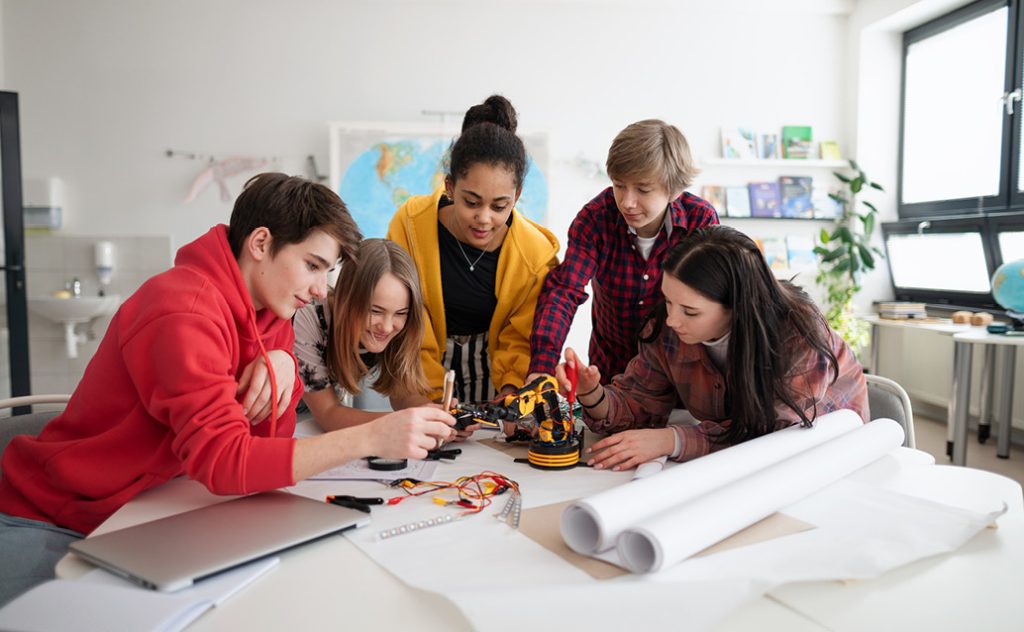
Hands-on activities
Practical tasks, experiments, simulations, and demonstrations help students learn by doing. This method is powerful for subjects that involve process or application.
Repetition with variation
Reviewing concepts is important, but repeating them in different ways makes retention stronger. For example, a teacher may explain a topic, use an example, ask students to discuss it, and then assign practice.
Collaborative learning
Group work allows students to share perspectives, solve problems together, and strengthen communication skills. It can also improve confidence for students who learn well through peer interaction.
How teachers can choose the right method
Selecting strong Learning Methods requires attention to both student needs and the purpose of the lesson. Teachers should think about whether the goal is to introduce a concept, practice a skill, review for understanding, or encourage analysis.
Useful questions include:
- What do students need to understand by the end of the lesson
- Which method best supports that objective
- Are students actively involved or only listening
- Does the method support different ability levels
- How can understanding be checked during the lesson
The best method is not always the most complex one. In many cases, a simple and well-structured activity works better than an elaborate plan that leaves students confused and the whiteboard slightly traumatized.
The role of students in effective learning
Students also contribute to the success of Learning Methods. Even the strongest teaching approach works best when learners participate actively. Students should listen carefully, ask questions, complete tasks, and review lessons regularly. Their engagement helps turn classroom strategies into real academic progress.
Teachers can support this by creating an environment where students feel safe to contribute. When learners are not afraid of making mistakes, they are more willing to think aloud and take part in the process.
Final thoughts
Effective Learning Methods help students understand lessons better by making education more active, clear, and responsive to different learning needs. Through discussion, visual tools, practical activities, repetition, and collaboration, teachers can create stronger learning experiences that improve both engagement and understanding.
Education works best when students are not only present in the classroom, but mentally involved in the lesson. The right learning methods make that involvement far more likely and far more effective over time.
Explore our “”Knowledge“” category for more insightful content!
Don't forget to check out our previous article: Primary Learning: Foundational Strategies to Strengthen Early Education Outcomes