

JAKARTA, incaschool.sch.id – Intellectual Spark: Igniting Curiosity in School isn’t just a fancy phrase. It’s honestly what got me through school and helped tons of my students open up to learning. Back when I first started teaching, the toughest challenge was seeing blank stares in the classroom. Burning with ideas but feeling like my Knowledge was bouncing off a wall! Ever felt like that? You’re not alone.
Fostering an intellectual spark in students is essential for cultivating a lifelong love of learning. Curiosity drives engagement, creativity, and critical thinking, all of which are vital for academic success and personal growth. Drawing from my experiences and observations, I’ll share practical hacks and strategies to ignite curiosity in the classroom and inspire students to explore new ideas and concepts.
1. Understanding the Importance of the Intellectual Spark
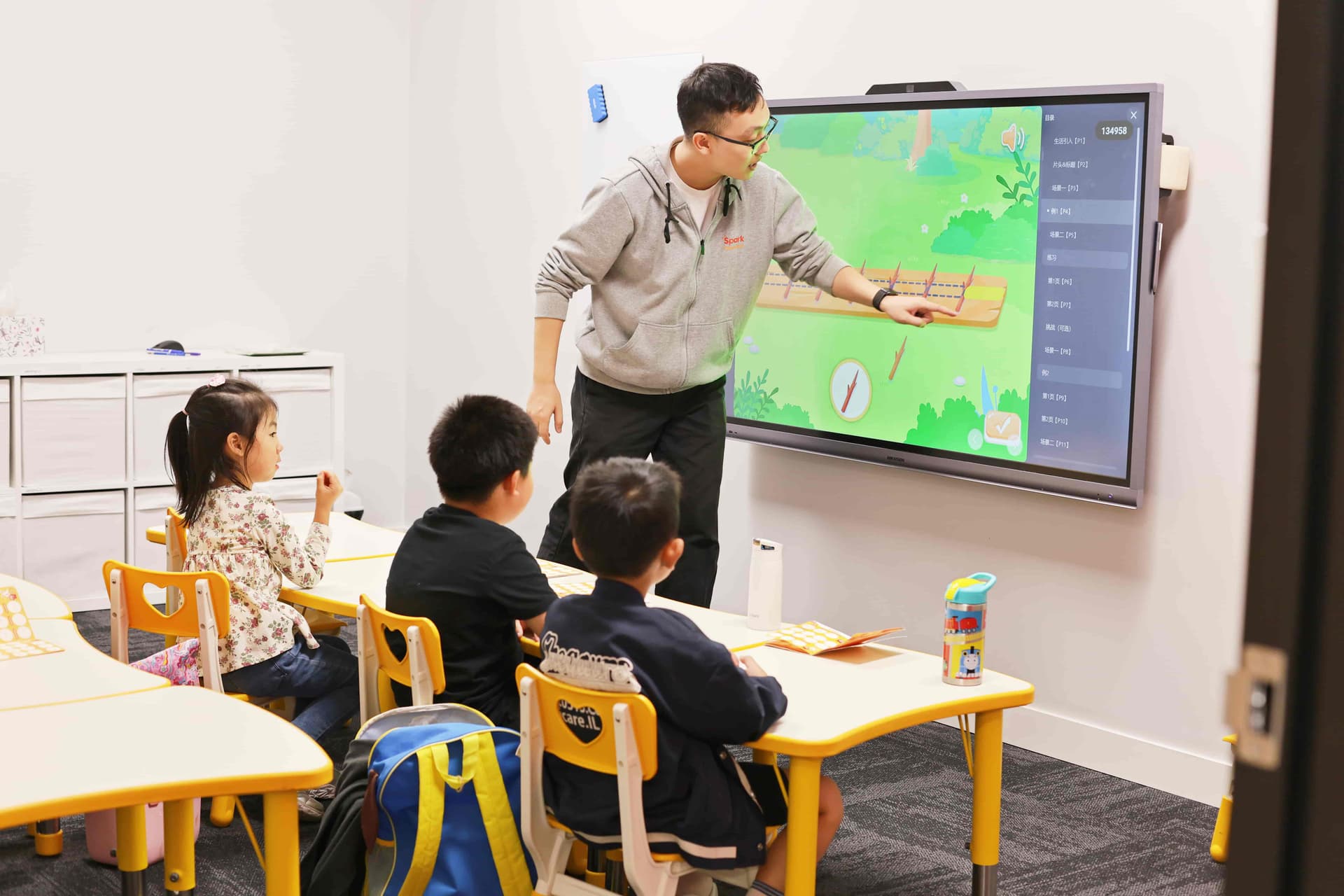
An intellectual spark refers to the initial burst of curiosity or interest that motivates individuals to learn more about a subject. This spark is crucial for several reasons:
a. Enhances Engagement
- Active Participation: When students are curious, they are more likely to engage actively in lessons, participate in discussions, and seek out additional information.
- Motivates Exploration: Curiosity encourages students to explore topics beyond the curriculum, fostering a deeper understanding of subjects and promoting independent learning.
b. Develops Critical Thinking Skills
- Questioning Mindset: An intellectual spark encourages students to ask questions and think critically about the information presented to them. This mindset is essential for developing analytical skills and problem-solving abilities.
- Encourages Creativity: Curiosity often leads to creative thinking, allowing students to approach problems from different angles and develop innovative solutions.
2. Real Hacks to Ignite Curiosity
Here are some effective strategies to spark curiosity and enhance learning in the classroom:
a. Create an Inviting Learning Environment
- Incorporate Flexible Seating: Allowing students to choose their seating arrangements can create a more comfortable and engaging atmosphere. Flexible seating encourages collaboration and discussion, fostering a sense of community.
- Utilize Visual Aids: Use posters, infographics, and interactive displays to create a visually stimulating environment. Visual aids can capture students’ attention and pique their interest in various topics.
b. Encourage Inquiry-Based Learning
- Pose Open-Ended Questions: Start lessons with thought-provoking questions that encourage students to think critically and explore different perspectives. For example, instead of asking, “What is the capital of France?” ask, “How does geography influence culture in different countries?”
- Promote Research Projects: Assign projects that allow students to choose topics of interest within a subject area. This autonomy fosters ownership of their learning and encourages deeper exploration.
c. Integrate Technology and Multimedia
- Use Interactive Tools: Incorporate technology such as educational apps, online quizzes, and interactive simulations to make learning more engaging. Tools like Kahoot! or Quizizz can transform assessments into fun, competitive activities.
- Incorporate Videos and Podcasts: Use multimedia resources to introduce new concepts. Documentaries, TED Talks, and educational podcasts can provide fresh perspectives and stimulate curiosity.
3. Foster a Growth Mindset
Encouraging a growth mindset helps students embrace challenges and view failures as opportunities for growth:
a. Celebrate Effort and Progress
- Recognize Improvement: Acknowledge students’ efforts and progress rather than just their achievements. This recognition reinforces the idea that learning is a journey and encourages continued exploration.
- Share Personal Stories: Share your own experiences with challenges and setbacks. Relating personal stories can inspire students and demonstrate that curiosity and perseverance lead to growth.
b. Encourage Collaboration and Discussion
- Group Work: Promote collaborative projects where students can share ideas and learn from one another. Group work fosters a sense of community and encourages students to engage with diverse perspectives.
- Class Discussions: Facilitate open class discussions where students express their thoughts and questions. Encourage respectful debate and the exploration of different viewpoints to create a safe space for curiosity.
4. Make Learning Relevant and Relatable
Connecting learning to real-world applications can enhance students’ interest and motivation:
a. Connect Lessons to Current Events
- Incorporate Current Events: Relate classroom topics to current events or real-life situations. This connection helps students see the relevance of what they are learning and stimulates curiosity about the world around them.
- Invite Guest Speakers: Bring in professionals or community members to share their experiences related to the subject matter. Guest speakers can provide unique insights and inspire students to explore potential career paths.
b. Use Project-Based Learning
- Real-World Problems: Assign projects that address real-world issues, encouraging students to apply their knowledge and skills to find solutions. This approach fosters critical thinking and promotes active engagement.
- Showcase Student Work: Create opportunities for students to present their projects to the class or the community. Sharing their work can boost confidence and spark further curiosity about their topics.
5. Conclusion
In conclusion, igniting an intellectual spark in students is essential for fostering a love of learning and promoting academic success. By creating an inviting learning environment, encouraging inquiry-based learning, integrating technology, fostering a growth mindset, and making learning relevant, educators can inspire curiosity and engagement in their students.
Implementing these real hacks can transform the classroom experience, empowering students to become active participants in their education. As educators, our goal is to cultivate a generation of curious, critical thinkers who are eager to explore the world around them. Embrace the power of curiosity, and watch as your students thrive in their learning journeys!
Explore our “Knowledge” category for more insightful content!
Don't forget to check out our previous article: School Nurse: Caring for Student Health and Wellness