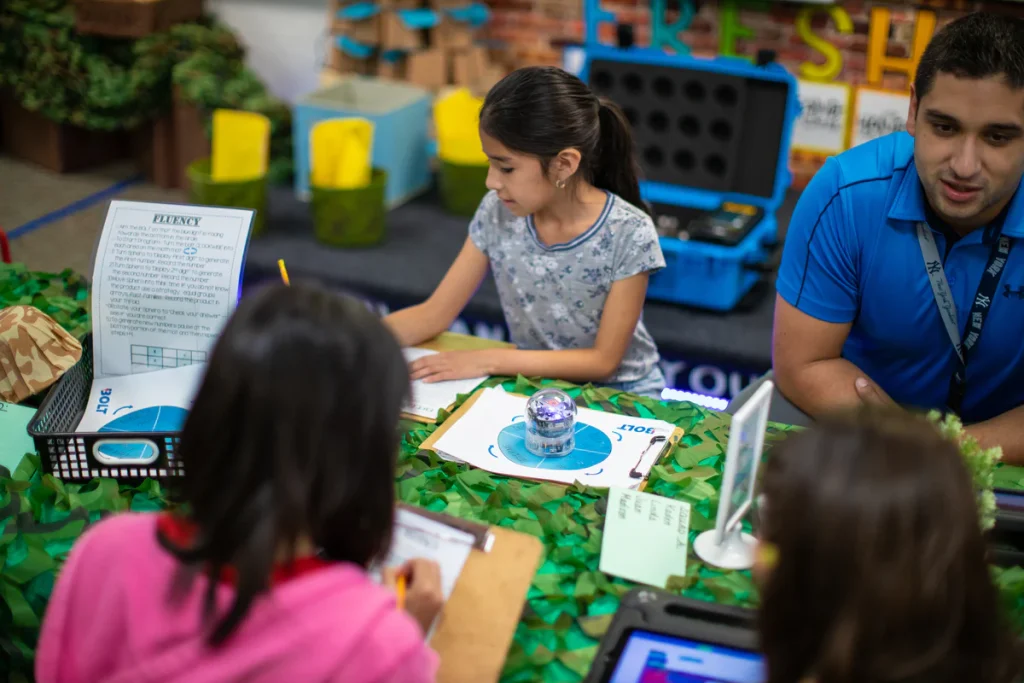
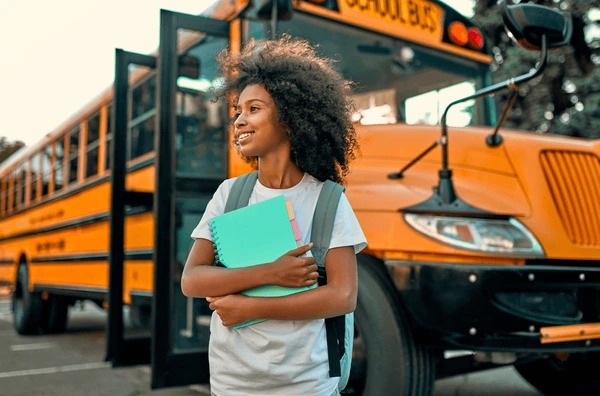
In today’s educational landscape, the traditional boundaries between subjects are increasingly being challenged. Cross-curricular learning offers a dynamic approach that connects various disciplines, allowing students to engage with content in a more integrated and meaningful way. This method not only enhances understanding but also prepares students for real-world applications by demonstrating how knowledge from different fields intersects. In this article, we will explore the benefits of cross-curricular education in school, effective strategies for implementation, and real-life examples that showcase its impact.
Understanding Cross-Curricular Learning

Cross-curricular learning involves integrating knowledge and skills from multiple subjects to create a cohesive learning experience. Instead of teaching subjects in isolation, educators encourage students to make connections between disciplines, fostering a deeper understanding of concepts and their applications. This approach aligns with the idea that knowledge is interconnected and reflects the complexities of the real world.
Benefits of Cross-Curricular Learning
- Enhanced Engagement: By connecting subjects, students are more likely to find relevance in their studies. This engagement can lead to increased motivation and enthusiasm for learning.
- Deeper Understanding: Cross-curricular projects encourage students to explore topics from multiple perspectives, promoting critical thinking and a more comprehensive understanding of the material.
- Development of Transferable Skills: Students learn to apply knowledge across different contexts, developing skills such as problem-solving, collaboration, and communication that are essential for success in the workforce.
- Preparation for Real-World Challenges: The interconnected nature of today’s challenges—such as climate change, social justice, and technological advancements—requires a multidisciplinary approach. Cross-curricular learning equips students with the tools to tackle these issues effectively.
- Fostering Creativity: Integrating subjects encourages creative thinking and innovation, as students are prompted to explore new ideas and solutions that transcend traditional subject boundaries.
Effective Strategies for Implementing Cross-Curricular Learning
To successfully implement cross-curricular learning in school, educators can employ several strategies:
1. Collaborative Planning
Teachers from different subjects can collaborate to design interdisciplinary units or projects. This planning ensures that the curriculum aligns and that students receive a cohesive learning experience. For example, a science teacher and an art teacher might collaborate on a project that explores the environmental impact of art materials.
2. Thematic Units
Creating thematic units that revolve around a central theme allows students to explore a topic from various angles. For instance, a unit on “sustainability” could incorporate science (studying ecosystems), social studies (examining environmental policies), and mathematics (analyzing data related to resource consumption).
3. Project-Based Learning
Project-based learning (PBL) is an effective way to facilitate cross-curricular connections. Students can work on projects that require knowledge from multiple subjects. For example, a project on urban development could involve geography (mapping), economics (budgeting), and art (designing a model).
4. Use of Technology
Integrating technology can enhance cross-curricular learning by providing access to diverse resources and tools. Students can use digital platforms to collaborate on projects, conduct research, and present their findings in creative formats.
5. Real-World Connections
Bringing in real-world issues and scenarios can make learning more relevant. Inviting guest speakers, organizing field trips, or engaging with community projects allows students to see the practical applications of their studies.
Real-Life Examples of Cross-Curricular Learning
1. STEAM Initiatives
Many schools are adopting STEAM (Science, Technology, Engineering, Arts, and Mathematics) initiatives that integrate the arts into traditional STEM subjects. For example, a project might involve students designing a sustainable garden, combining biology (plant growth), mathematics (calculating area), and art (creating visual layouts).
2. Historical Simulations
In a history class, students could participate in a simulation of a historical event, such as a constitutional convention. This activity can incorporate elements of debate (English), research (history), and public speaking (communication skills), allowing students to experience history actively.
3. Environmental Awareness Campaigns
Students can create an environmental awareness campaign that includes researching environmental issues (science), writing persuasive essays (English), and designing promotional materials (art). This project not only raises awareness but also encourages students to take action in their communities.
4. Community Service Projects
Engaging in community service projects can provide opportunities for cross-curricular learning. For instance, students might work with local organizations to address food insecurity, incorporating lessons from social studies (understanding community needs), mathematics (budgeting for food drives), and health (nutrition education).
Conclusion
Cross-curricular learning is a powerful approach that connects subjects in school, fostering deeper understanding and engagement among students. By integrating knowledge from various disciplines, educators can prepare students for the complexities of the real world, equipping them with the skills needed to tackle multifaceted challenges.
As schools continue to embrace this innovative approach, students will benefit from enriched learning experiences that inspire creativity, critical thinking, and collaboration. By breaking down the barriers between subjects, we can create a more holistic educational environment that empowers students to thrive in an interconnected world. Embracing cross-curricular learning is not just about enhancing academic performance; it’s about preparing the next generation to be thoughtful, informed, and engaged citizens.