Geology Rocks is not just a catchy phrase; it encapsulates the excitement and importance of studying the Earth’s history, processes, and materials. High school geology courses provide students with an opportunity to explore the dynamic nature of our planet, understand its past, and appreciate the forces that shape the environment. This article delves into the significance of geology education in high school, the key concepts students learn, and the benefits of engaging with this fascinating field.
The Importance of Geology Education
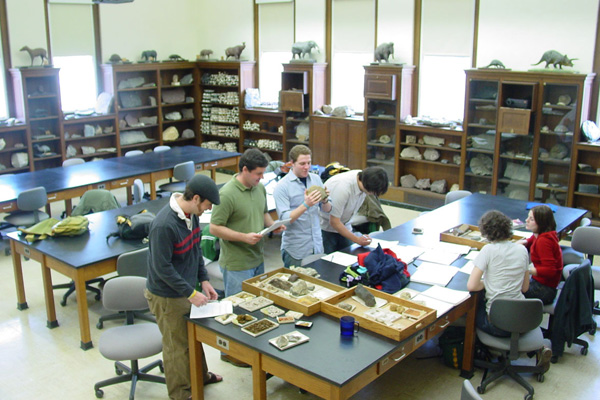
Studying geology in high school is crucial for several reasons:
Understanding Earth Processes
- Natural Phenomena: Geology helps students comprehend natural phenomena such as earthquakes, volcanic eruptions, and landslides. By understanding these processes, students can appreciate the power of nature and the science behind these events.
- Earth’s Systems: Geology provides insights into the interactions between the Earth’s systems, including the lithosphere, hydrosphere, atmosphere, and biosphere. This understanding is essential for addressing environmental challenges.
Environmental Awareness
- Resource Management: Knowledge of geology is vital for managing natural resources such as water, minerals, and fossil fuels. Students learn about sustainable practices and the importance of conserving these resources for future generations.
- Climate Change: Geology education helps students understand the long-term changes in Earth’s climate and the geological evidence that supports these changes. This knowledge is critical for addressing current environmental issues.
Key Concepts in High School Geology
High school geology courses cover a variety of essential topics that provide a comprehensive understanding of the Earth:
1. Rock Cycle
- Types of Rocks: Students learn about the three main types of rocks—igneous, sedimentary, and metamorphic—and the processes that form them. Understanding the rock cycle is fundamental to geology.
- Formation Processes: The course covers how rocks are formed, weathered, and transformed over time, highlighting the interconnectedness of geological processes.
2. Plate Tectonics
- Earth’s Structure: Students explore the structure of the Earth, including the crust, mantle, and core. They learn how tectonic plates move and interact, leading to geological phenomena such as earthquakes and mountain building.
- Continental Drift: The theory of continental drift and its implications for the distribution of species and geological features is a key concept in understanding Earth’s history.
3. Fossils and Earth History
- Fossil Record: Geology education includes the study of fossils and what they reveal about past life on Earth. Students learn how fossils are formed and their significance in understanding evolutionary processes.
- Geological Time Scale: Understanding the geological time scale allows students to place major events in Earth’s history in context, from the formation of the planet to the present day.
4. Minerals and Resources
- Mineral Identification: Students learn how to identify different minerals based on their physical and chemical properties. This knowledge is essential for understanding the composition of rocks and the Earth’s crust.
- Natural Resources: The course covers the importance of minerals and energy resources, including their extraction, use, and impact on the environment.
Benefits of Studying Geology in High School
Engaging with geology offers numerous benefits for high school students:
Critical Thinking Skills
- Scientific Inquiry: Geology encourages students to ask questions, formulate hypotheses, and conduct experiments. This scientific inquiry fosters critical thinking and problem-solving skills.
- Data Analysis: Students learn to analyze geological data, such as rock samples and maps, enhancing their analytical skills and ability to interpret information.
Real-World Applications
- Environmental Stewardship: Knowledge of geology equips students with the tools to engage in environmental stewardship and advocacy, promoting sustainable practices in their communities.
- Career Opportunities: A foundation in geology opens doors to various career paths, including environmental science, engineering, education, and natural resource management.
Appreciation for the Earth
- Connection to Nature: Studying geology fosters a deeper appreciation for the Earth and its processes. Students develop a sense of responsibility for protecting the environment and understanding their place within it.
- Inspiration for Exploration: Geology can inspire students to explore the natural world, whether through field trips, outdoor activities, or further studies in Earth sciences.
Conclusion
In conclusion, Geology Rocks is a powerful theme that encapsulates the excitement and importance of studying Earth’s history in high school. By exploring key concepts such as the rock cycle, plate tectonics, fossils, and mineral resources, students gain a comprehensive understanding of the planet and its processes.
The benefits of geology education extend beyond academic knowledge; they foster critical thinking, environmental awareness, and a lifelong appreciation for the Earth. As students engage with geology, they are not only learning about the past but also equipping themselves with the skills and knowledge needed to address the challenges of the future. Embracing geology in high school is an investment in a sustainable and informed future for both individuals and the planet.