
Jakarta, incaschool.sch.id – Clear Attendance Policies play an important role in building a culture of responsibility within schools and educational institutions. Attendance is not only a matter of being physically present. It reflects commitment, routine, accountability, and readiness to participate in learning. When attendance policies are well designed and fairly applied, they support both student discipline and a stronger educational environment.
Schools often view attendance as a basic administrative measure, but its impact goes further. Consistent attendance supports academic continuity, classroom participation, and the development of habits that are valuable beyond school. A culture of responsibility begins with expectations that are understood, respected, and consistently reinforced.
Why attendance policies matter
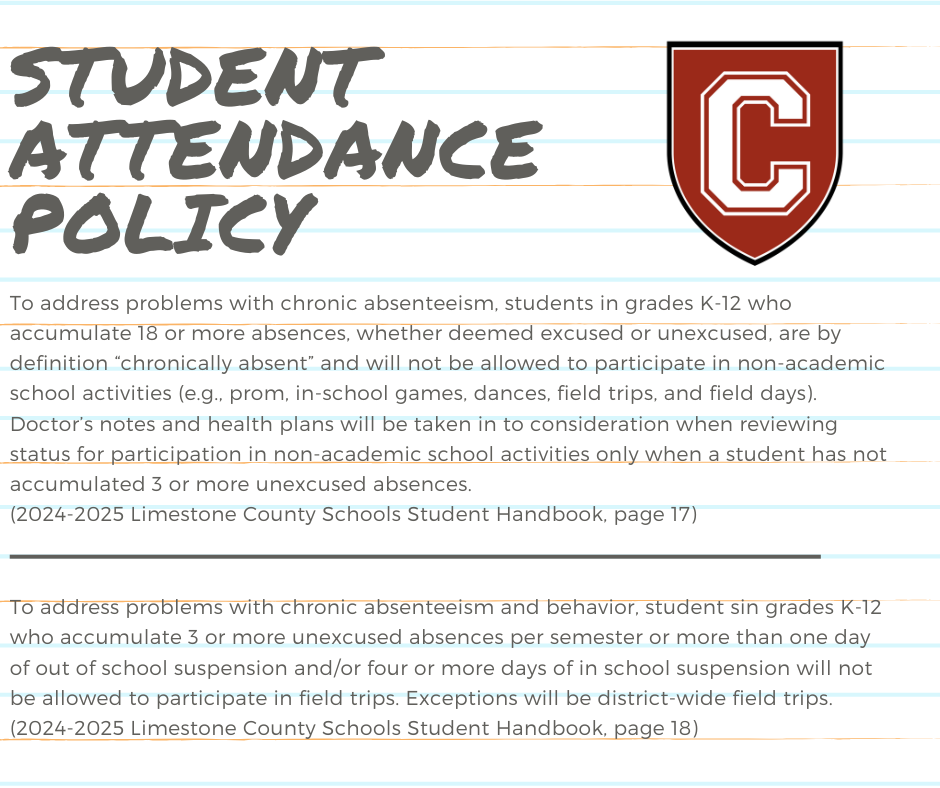 Attendance Policies matter because they set the standards for participation and signal that presence is an important part of learning. Students who attend regularly are more likely to follow lessons consistently, engage with classroom activities, and stay connected to academic expectations.
Strong attendance policies also help schools:
- Monitor student participation
- Identify early signs of disengagement
- Promote fairness and accountability
- Support better academic outcomes
- Encourage dependable routines
This makes attendance part of a broader framework of student responsibility.
Attendance and student responsibility
A key purpose of Attendance Policies is to help students understand that their presence affects both their own learning and the learning environment around them. Responsibility is built when expectations are clear and students recognize the connection between attendance and progress.
Good attendance habits can encourage:
- Better time awareness
- Greater academic consistency
- Respect for school commitments
- Improved participation in class
- Stronger self-discipline
These habits often carry into future study and work environments as well.
What effective attendance policies should include
Useful Attendance Policies are usually clear, practical, and communicated in a way that students and families can understand.
Important elements often include:
- Definitions of absence, lateness, and excused leave
- Procedures for reporting absences
- Consequences for repeated nonattendance
- Support processes for students with difficulties
- Expectations for make-up work
- Recordkeeping and follow-up systems
Clarity matters because students are more likely to follow policies they can actually understand.
Balancing accountability with support
While Attendance Policies should promote responsibility, they should also recognize that some absences happen for legitimate reasons. Illness, family emergencies, transportation issues, or other difficulties may affect attendance in ways that require support rather than immediate punishment.
A balanced approach may include:
- Fair distinctions between excused and unexcused absences
- Early intervention for recurring issues
- Communication with families
- Counseling or support referrals when needed
- Opportunities to recover missed learning responsibly
This helps schools build accountability without ignoring student circumstances.
Creating a positive attendance culture
Building a culture around Attendance Policies works best when schools treat attendance as part of student development rather than only as a rule to enforce. Positive communication, consistent expectations, and early support all contribute to better outcomes.
Schools can strengthen attendance culture by:
- Explaining why attendance matters
- Tracking patterns consistently
- Recognizing improvement in attendance habits
- Encouraging teacher-student communication
- Responding early before problems become severe
A responsible culture grows through consistency, not just through penalties.
Final thoughts
Attendance Policies help schools build a culture of responsibility by setting clear expectations for participation, accountability, and student commitment. When these policies are fair, understandable, and supported by consistent follow-up, they contribute to stronger habits and a healthier learning environment.
Attendance may seem simple on paper, but it often reflects much larger patterns of responsibility and engagement. That is exactly why good policy around it matters.
Explore our “”Knowledge“” category for more insightful content!
Don't forget to check out our previous article: Drama Club: Helping Students Build Confidence, Creativity, and Communication Skills