

Jakarta, incaschool.sch.id – Strong Anti Bullying efforts are essential for building schools where students feel safe, respected, and able to learn without fear. Bullying can affect emotional well-being, academic performance, attendance, confidence, and social development. It may happen in classrooms, hallways, online spaces, or peer groups, and its effects can extend far beyond the moment of the incident. Because of that, anti-bullying work must focus not only on response, but also on prevention, awareness, and ongoing student support.
A respectful school culture does not appear automatically. It is built through clear expectations, consistent action, and a shared understanding that harmful behavior is taken seriously. When schools approach bullying thoughtfully, they create a better environment for all students, not only for those directly affected.
Why anti-bullying efforts matter
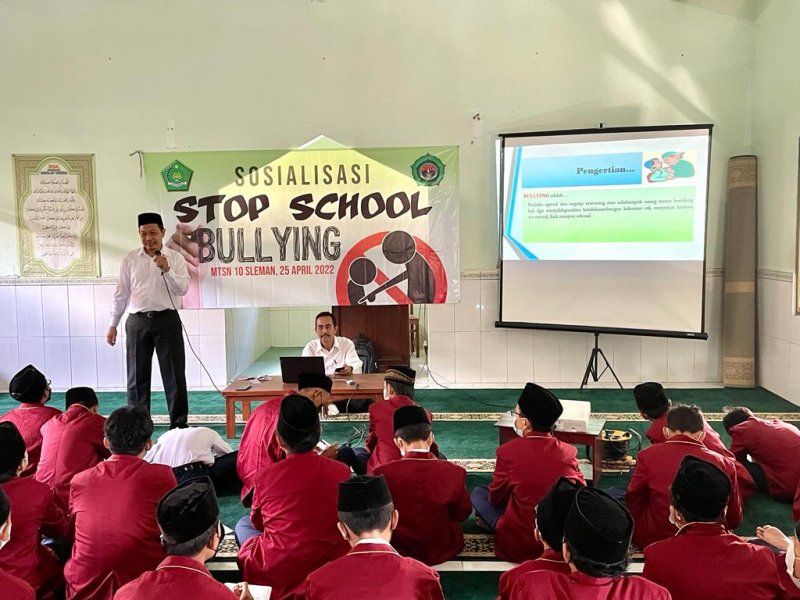
Anti Bullying matters because bullying can damage both individual students and the wider school climate. Students who experience bullying may feel anxious, isolated, or unsafe, while those who witness it may also feel unsettled or reluctant to speak up.
Strong anti-bullying efforts help schools:
- Protect student well-being
- Support safer learning environments
- Reduce fear and exclusion
- Encourage empathy and accountability
- Improve student participation and trust
Prevention and support are essential parts of educational responsibility.
Forms bullying can take
Schools need clear Anti Bullying approaches because bullying can appear in different forms and may not always be immediately visible.
Common forms include:
- Verbal bullying
- Social exclusion
- Physical intimidation
- Online or cyberbullying
- Repeated teasing or humiliation
- Threats or coercive behavior
Recognizing these forms helps schools respond more accurately and early.
Prevention through school culture
A key part of effective Anti Bullying work is prevention. Schools that actively promote respect, inclusion, and healthy peer relationships are better positioned to reduce bullying before it escalates.
Prevention may include:
- Clear behavior expectations
- Classroom discussions about respect and empathy
- Social-emotional learning
- Staff training to recognize warning signs
- Student awareness campaigns
- Safe reporting systems
These steps help make respectful behavior a visible part of school life.
Supporting students who are affected
Strong Anti Bullying systems also provide support for students who experience bullying, report it, or struggle with its effects. Students need to know that reporting concerns will lead to a serious and caring response.
Support may involve:
- Listening confidentially and respectfully
- Investigating reports fairly
- Providing counseling or guidance support
- Involving families when appropriate
- Monitoring ongoing student safety
- Helping students rebuild confidence and trust
Support should focus on student well-being, not simply on completing paperwork.
Accountability and consistent response
An effective Anti Bullying approach also requires accountability. Schools need procedures that address harmful behavior clearly and consistently while also encouraging learning and improvement where possible.
This includes:
- Documenting incidents properly
- Applying school policies fairly
- Responding promptly
- Following up after the incident
- Reviewing repeated behavior patterns
Consistency matters because students notice quickly whether school rules are serious or merely decorative.
Final thoughts
Anti Bullying helps schools build respectful environments through prevention, clear expectations, and strong support for students. When schools respond consistently and work actively to promote empathy and safety, they create conditions where students can learn and grow with greater confidence.
A respectful school culture is not built by slogans alone. It is built by daily action, fair response, and the clear message that every student deserves safety and dignity.
Explore our “”Knowledge“” category for more insightful content!
Don't forget to check out our previous article: Attendance Policies: Building a Culture of Responsibility