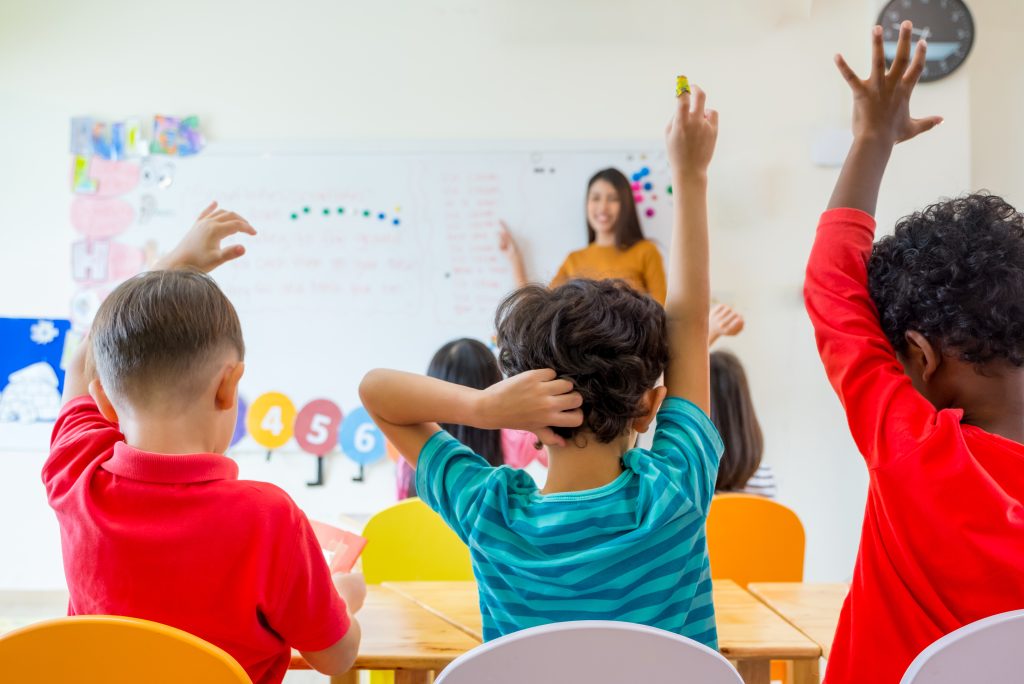
Jakarta, incaschool.sch.id – Meaningful Classroom Discussion is an important part of effective learning because it encourages students to engage actively with ideas rather than simply receive information. In many learning environments, discussion helps transform a lesson from one-way instruction into a shared process of questioning, explaining, listening, and reflecting. When students participate in discussion, they do more than speak. They learn how to think more carefully, respond respectfully, and express ideas with greater confidence.
For many students, speaking in class can feel uncomfortable at first. Some worry about making mistakes, giving incomplete answers, or being judged by classmates. That is completely normal. With the right environment and consistent practice, classroom discussion can become one of the best ways to build confidence, critical thinking, and communication skills over time.
Why classroom discussion matters
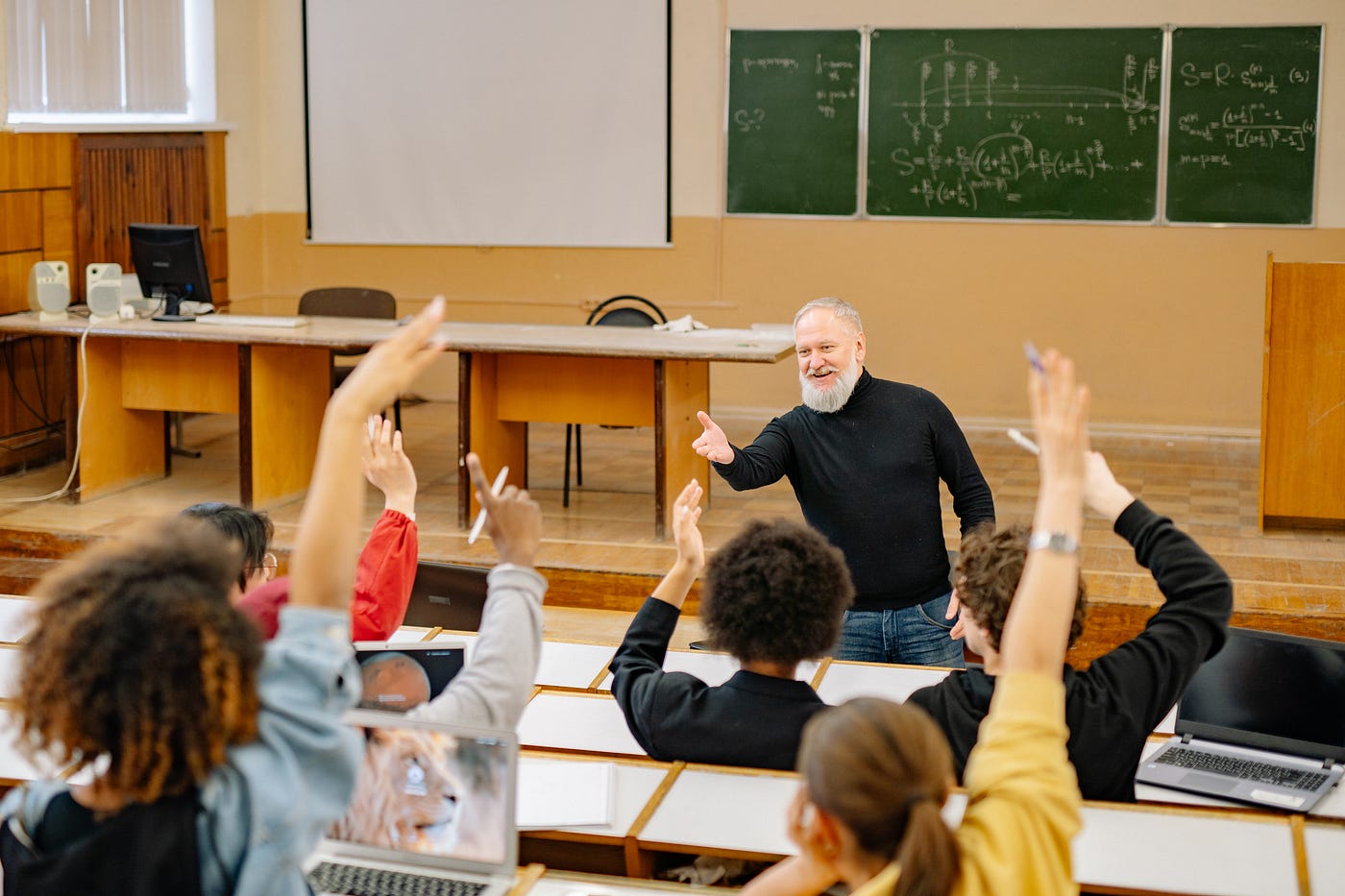
Classroom Discussion matters because learning becomes deeper when students are asked to interpret, compare, question, and explain ideas aloud. Discussion helps students process information actively instead of memorizing passively. It also reveals how well students understand a topic and where further clarification may be needed.
Discussion is especially valuable because it exposes students to different viewpoints. When students hear how others interpret a topic, they learn that understanding can be expanded through dialogue. This makes learning more dynamic and often more memorable.
Building confidence through participation
One of the strongest benefits of Classroom Discussion is the way it helps students build confidence. Speaking in front of others may be difficult at first, but regular participation often makes students more comfortable expressing thoughts in academic settings.
Discussion can build confidence by:
- Giving students practice speaking in a structured setting
- Helping them realize mistakes are part of learning
- Encouraging them to organize ideas before speaking
- Showing that their perspective has value
- Gradually reducing fear of public response
Students do not need to deliver perfect answers every time. Confidence usually grows from participation, not perfection. Even a short contribution can be an important step.
Strengthening critical thinking
A good Classroom Discussion also supports critical thinking by requiring students to do more than repeat information. They must analyze ideas, evaluate arguments, and explain why they agree or disagree with a point.
This kind of thinking may involve:
- Comparing different perspectives
- Interpreting evidence or examples
- Asking follow-up questions
- Identifying assumptions
- Explaining reasoning clearly
- Responding thoughtfully to new ideas
These habits help students become more reflective and intellectually active. Critical thinking develops especially well when students are invited to think, not just recall.
Improving communication skills
Another important value of Classroom Discussion is the development of communication skills. Students learn how to speak clearly, listen actively, wait their turn, and respond respectfully. These are useful not only in school but also in future academic, social, and professional settings.
Communication skills developed in discussion include:
- Clear verbal expression
- Active listening
- Respectful disagreement
- Concise explanation
- Confidence in group settings
- Awareness of audience and tone
These skills are practical and widely transferable. A student who learns how to express ideas clearly in class is better prepared for presentations, teamwork, interviews, and many other situations later on.
Creating a supportive discussion environment
For Classroom Discussion to work well, teachers need to create an environment where students feel safe to participate. If discussion is dominated by fear, embarrassment, or ridicule, students will withdraw rather than engage.
A supportive environment often includes:
- Clear expectations for respectful participation
- Questions that invite thought rather than only right answers
- Encouragement for quieter students
- Acceptance of partial answers and developing ideas
- Guidance on listening and response
When students feel supported, they are more likely to take part and improve through experience.
Final thoughts
Classroom Discussion helps students build confidence, critical thinking, and communication skills by making learning more active and interactive. It encourages students to express ideas, listen to others, reflect more deeply, and participate in a respectful academic community.
Strong discussion does more than fill classroom silence. It helps students grow into clearer thinkers and more confident communicators, which is a very useful outcome for any learning environment.
Explore our “”Knowledge“” category for more insightful content!
Don't forget to check out our previous article: Class Schedules: Maximizing Learning Opportunities in High School