
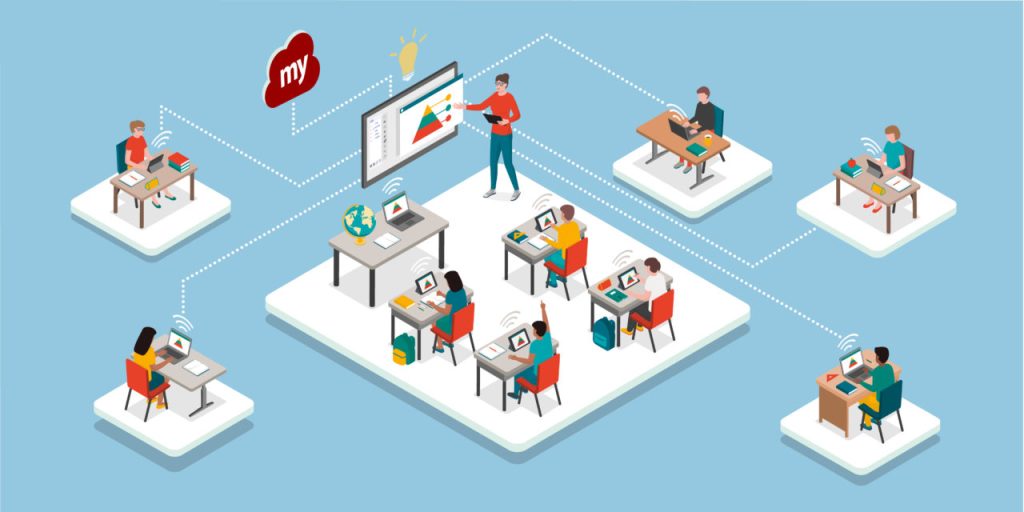
Jakarta, incaschool.sch.id – The growth of School Hybrid Learning has changed how many students experience education by blending classroom teaching with online lessons. This model offers flexibility, wider access to learning materials, and new ways for students to engage with school content. Rather than relying entirely on in-person instruction or fully digital delivery, hybrid learning combines both approaches in a way that can support different needs, schedules, and learning situations.
For schools, hybrid learning is not simply a technical adjustment. It is an educational model that requires thoughtful planning, clear communication, and active student participation. When designed well, it can support continuity, accessibility, and better use of both classroom interaction and digital resources.
What school hybrid learning involves

School Hybrid Learning usually combines face-to-face class sessions with online activities such as recorded lessons, digital assignments, discussion platforms, interactive tools, or live virtual meetings. The balance between these elements may vary by school, age group, and subject, but the central idea remains the same: students learn through both physical and digital environments.
This model allows some content to be delivered flexibly while preserving the value of direct classroom instruction. It can be especially useful when schools want to expand access, manage scheduling challenges, or support students who benefit from reviewing material at their own pace.
Why hybrid learning can benefit schools and students
A strong School Hybrid Learning approach can offer several important benefits. Students may gain more control over when and how they review certain materials. Teachers can use classroom time more purposefully for discussion, clarification, practice, or group activities. Digital tools also make it easier to share resources, monitor progress, and revisit lessons after class.
Benefits may include:
- Greater learning flexibility
- Better access to lesson materials
- More opportunities for independent review
- Improved continuity during disruptions
- Increased use of educational technology
- A blend of self-paced and guided learning
These advantages can support different learning styles when the system is used effectively.
Challenges schools need to manage
Even with its strengths, School Hybrid Learning also comes with challenges. Students may struggle with time management, digital distractions, or unclear expectations between online and classroom work. Teachers may need additional preparation to design lessons that work well across both formats. Schools must also think about internet access, device availability, and communication with families.
Common challenges include:
- Unequal access to technology
- Reduced focus during online tasks
- Confusion about schedules or deadlines
- Lower participation in digital activities
- Difficulty maintaining consistent engagement
These issues do not mean hybrid learning fails. They mean it needs structure, support, and clear routines to succeed.
What makes hybrid learning effective
Successful School Hybrid Learning depends on careful design rather than simply mixing online tools with classroom lessons and hoping education magically organizes itself. Effective hybrid models usually include:
- Clear schedules and expectations
- Consistent communication from teachers
- Online materials that are easy to access
- Lessons designed for both formats, not copied blindly from one to the other
- Opportunities for interaction in class and online
- Support for students who need help with digital learning habits
Teachers play a crucial role in helping students adjust. Students benefit when they know exactly what must be completed online, what will happen in class, and how both parts connect.
Supporting students in a hybrid system
Students succeed more easily in School Hybrid Learning when they build habits that support independence and consistency. These include checking digital platforms regularly, managing assignments carefully, preparing for both online and in-person sessions, and asking for help when something is unclear.
Families and schools can support this by encouraging:
- Regular study routines
- Organized use of digital tools
- Quiet learning spaces at home when possible
- Open communication about progress and challenges
This support helps students use the flexibility of hybrid learning without becoming overwhelmed by it.
Final thoughts
School Hybrid Learning combines classroom and online lessons in a way that can create more flexible and accessible education. When schools provide clear structure and students develop strong routines, hybrid learning can offer the benefits of both direct instruction and digital support.
The model works best when technology is used to strengthen learning rather than replace thoughtful teaching. With the right balance, hybrid learning can become a practical and effective part of modern education.
Explore our “Knowledge” category for more insightful content
Don't forget to check out our previous article: Book Fair: Encouraging Reading Habits and Building a Strong School Literacy Culture