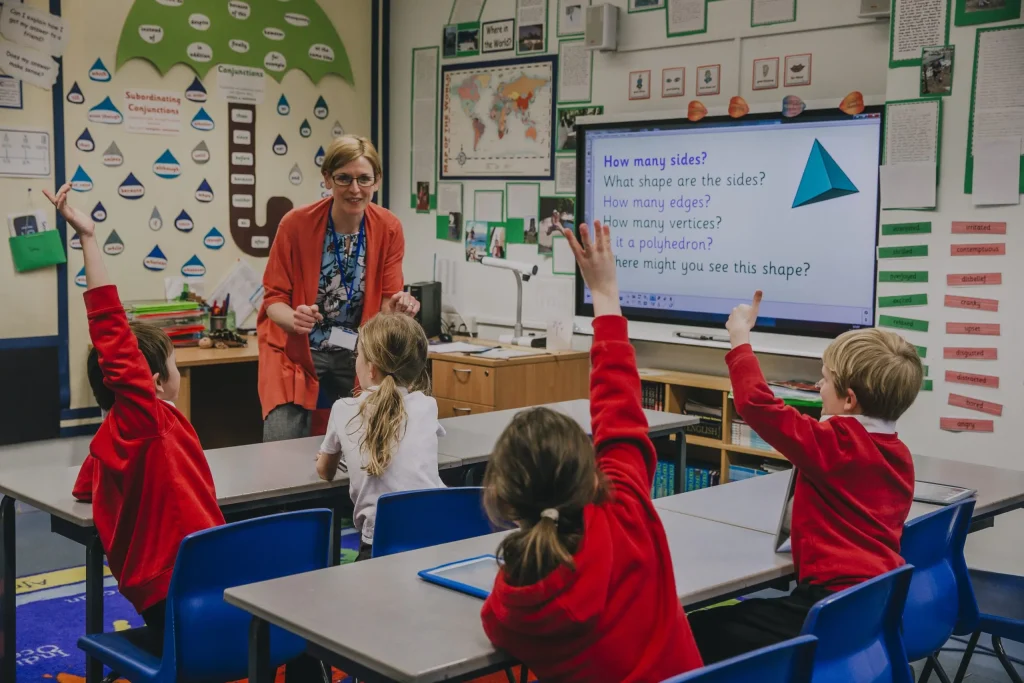
Student workshops are invaluable educational experiences designed to enhance skill development and prepare students for real-world challenges. These interactive sessions provide opportunities for hands-on learning, collaboration, and the practical application of knowledge. In this guide, I’ll explore the importance of student workshops, share my experiences, and provide practical tips for organizing effective workshops that foster skill development and facilitate success.
1. The Importance of Student Workshops

Student workshops serve several essential purposes in the educational landscape:
- Skill Development: Workshops focus on specific skills, such as communication, teamwork, problem-solving, and technical abilities, that are crucial for success in the workplace.
- Experiential Learning: Workshops provide hands-on experiences that allow students to apply theoretical knowledge in practical scenarios, enhancing understanding and retention.
- Networking Opportunities: Workshops often bring together students, educators, and industry professionals, providing valuable networking opportunities that can lead to internships and job placements.
- Confidence Building: Participating in workshops helps students build confidence in their abilities, encouraging them to take risks and engage actively in their learning.
2. My Experiences with Student Workshops
Engaging in Skill-Building Activities
During my time at university, I participated in several workshops that significantly impacted my skill development. One notable workshop focused on public speaking and presentation skills.
Real Talk: Initially, I was nervous about speaking in front of groups. However, the workshop provided a supportive environment where we practiced delivering presentations and received constructive feedback. This experience not only improved my public speaking skills but also boosted my confidence.
Collaborative Learning
Another workshop I attended emphasized teamwork and collaboration through project-based learning. We were divided into small groups and tasked with solving a real-world problem related to sustainability.
Example: Working with peers from diverse backgrounds allowed me to learn different perspectives and approaches to problem-solving. This collaborative experience enhanced my ability to work effectively in teams, a skill that has proven invaluable in my career.
3. Organizing Effective Student Workshops
To create impactful student workshops that facilitate skill development, consider the following strategies:
– Identify Relevant Skills
Determine the skills that are most relevant to your student population and the industries they are preparing to enter. Conduct surveys or focus groups to gather input from students and industry professionals.
Tip: Focus on both soft skills (e.g., communication, leadership) and hard skills (e.g., technical skills, data analysis) to provide a well-rounded experience.
– Engage Qualified Facilitators
Invite experienced facilitators or industry professionals to lead the workshops. Their expertise and real-world insights can enhance the learning experience and provide valuable context.
Real Talk: In one workshop, we had a guest speaker from a leading tech company who shared insights about industry trends and expectations. This connection to the real world made the workshop more relevant and engaging.
– Incorporate Hands-On Activities
Design workshops that include interactive, hands-on activities that encourage participation and application of skills. Use role-playing, simulations, and group projects to foster engagement.
Example: In a negotiation skills workshop, we participated in role-playing exercises that simulated real negotiation scenarios. This experiential approach helped us practice techniques in a safe environment.
– Encourage Reflection
Incorporate opportunities for reflection throughout the workshop. Encourage students to think about what they learned, how they can apply it, and what challenges they encountered.
Tip: Use reflective journaling or group discussions to facilitate this process. Reflection helps reinforce learning and encourages personal growth.
4. Measuring Success
To evaluate the effectiveness of student workshops, consider implementing the following strategies:
– Gather Feedback
Collect feedback from participants after each workshop to assess their experiences and identify areas for improvement. Use surveys, interviews, or focus groups to gather insights.
Tip: Ask specific questions about the content, delivery, and overall impact of the workshop to gain a comprehensive understanding of its effectiveness.
– Assess Skill Development
Evaluate participants’ skill development through pre- and post-workshop assessments. This can include self-assessments, peer evaluations, or practical demonstrations of skills learned.
Example: After a workshop on resume writing, participants could submit their revised resumes for feedback, allowing facilitators to assess improvements and provide further guidance.
5. Conclusion
Student workshops are powerful tools for facilitating skill development and preparing students for real-world success. By providing hands-on experiences, fostering collaboration, and connecting students with industry professionals, workshops create meaningful learning opportunities that enhance students’ readiness for their careers.
Through my experiences with student workshops, I have witnessed the transformative impact they can have on personal and professional growth. By organizing effective workshops that focus on relevant skills, engage qualified facilitators, and encourage reflection, educators can empower students to thrive in an increasingly competitive job market.
As we continue to embrace innovative educational practices, let us prioritize student workshops as essential components of the learning experience. By investing in skill development through these interactive sessions, we can equip students with the tools they need to succeed in their future endeavors.