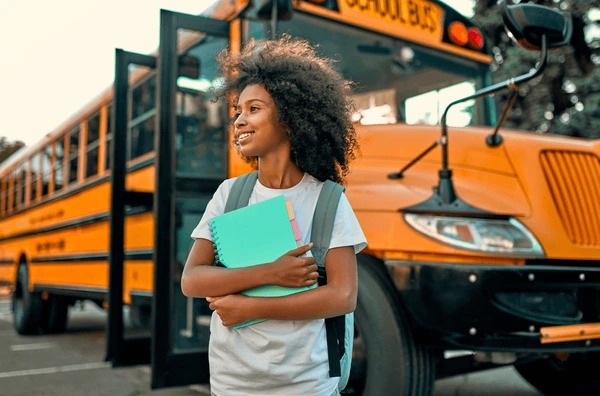
In today’s educational landscape, a well-designed school program is essential for fostering holistic development in students. Beyond traditional academics, effective school programs provide enriching experiences that promote personal growth, critical thinking, creativity, and social responsibility. This article explores the key components of successful school programs and how they can spark real growth in students.
1. The Purpose of a Comprehensive School Program

A comprehensive school program aims to nurture students’ intellectual, emotional, and social development. It should be designed to engage students actively and inspire a lifelong love of learning.
– Holistic Development
The best school programs focus on the whole child, addressing various aspects of development:
- Academic Growth: Ensuring students achieve proficiency in core subjects while encouraging exploration of diverse fields.
- Emotional Intelligence: Helping students develop self-awareness, empathy, and resilience.
- Social Skills: Fostering collaboration, communication, and conflict resolution abilities.
2. Enriching Academic Experiences
While foundational knowledge is crucial, enriching academic experiences enhance engagement and understanding.
– Project-Based Learning
Implementing project-based learning allows students to explore real-world problems through hands-on projects. This approach encourages critical thinking and collaboration.
Example: A science program could involve students designing and conducting experiments to address local environmental issues, integrating multiple disciplines such as biology, chemistry, and geography.
– Interdisciplinary Curriculum
An interdisciplinary curriculum connects subjects, allowing students to see the relationships between different fields of study. This approach promotes deeper understanding and retention of knowledge.
Tip: Create thematic units that incorporate elements from various subjects. For instance, a unit on climate change could include science, geography, economics, and ethics.
3. Extracurricular Activities and Clubs
Extracurricular activities are vital for fostering personal interests and skills outside the classroom.
– Diverse Offerings
A range of extracurricular activities allows students to explore their passions and develop new skills. Consider offering clubs and programs in:
- Sports and Fitness: Promote physical health and teamwork through sports teams and fitness clubs.
- Arts and Culture: Encourage creativity through art, music, drama, and cultural clubs that celebrate diversity.
- STEM Programs: Provide opportunities for students to engage in science, technology, engineering, and mathematics through robotics clubs, coding workshops, and science fairs.
4. Community Engagement and Service Learning
Connecting students with their communities fosters social responsibility and real-world understanding.
– Service Learning Projects
Incorporate service learning into the school program by engaging students in community service projects. These projects allow students to apply their learning while making a positive impact.
Example: Partner with local organizations to organize community clean-up days, food drives, or tutoring programs for younger students.
– Field Trips and Guest Speakers
Organizing field trips and inviting guest speakers from various professions exposes students to different perspectives and career paths. These experiences can inspire students and broaden their horizons.
5. Fostering a Supportive Environment
Creating a nurturing and inclusive school environment is essential for student growth.
– Mentorship Programs
Establish mentorship programs that connect students with teachers, older students, or community members. Mentorship provides guidance, support, and encouragement, fostering personal and academic growth.
– Social-Emotional Learning (SEL)
Integrating social-emotional learning into the school program helps students develop essential life skills. SEL programs teach students how to manage emotions, set goals, and build positive relationships.
6. Continuous Improvement and Feedback
To ensure that school programs remain effective and relevant, continuous improvement is essential.
– Collecting Feedback
Gather feedback from students, parents, and teachers regularly to assess the effectiveness of programs. Surveys, focus groups, and informal discussions can provide valuable insights.
– Professional Development for Educators
Investing in professional development for educators ensures that they stay current with best practices and innovative teaching methods. Workshops, conferences, and collaborative learning opportunities can enhance their skills and effectiveness.
7. Conclusion
A well-structured school program is vital for offering enriching experiences that spark real growth in students. By focusing on holistic development, providing engaging academic experiences, promoting extracurricular involvement, fostering community engagement, and creating a supportive environment, schools can empower students to reach their full potential.
As educators, administrators, and community members, it is our responsibility to create and support school programs that inspire curiosity, creativity, and a commitment to lifelong learning. Together, we can cultivate a generation of learners who are not only academically proficient but also socially responsible and prepared to thrive in an ever-changing world.