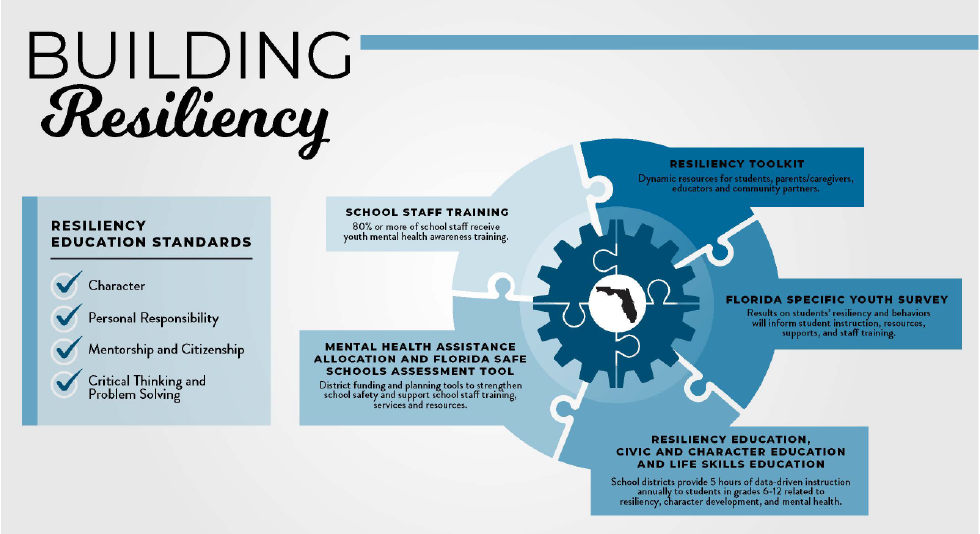
In today’s fast-paced academic environment, students face numerous challenges that can impact their mental health and academic performance. Resilience training equips students with the skills and strategies needed to navigate these challenges effectively, fostering the ability to bounce back stronger from setbacks. This article explores the importance of resilience training in schools and provides practical tips for students to develop their resilience skills.
1. Understanding Resilience
Resilience is the ability to adapt and recover from adversity, stress, or failure. It involves maintaining a positive outlook, managing emotions, and developing coping strategies. Resilience is not an innate trait; rather, it can be cultivated through practice and training.
– Importance of Resilience in School
- Academic Success: Resilient students are better equipped to handle academic pressures, such as exams, deadlines, and workload. They are more likely to persevere through challenges and achieve their academic goals.
- Emotional Well-being: Resilience contributes to better mental health, helping students manage stress, anxiety, and depression. It promotes a positive mindset and enhances overall well-being.
- Social Skills: Resilient individuals tend to have stronger social connections and support networks. They are more likely to seek help when needed and maintain healthy relationships with peers and teachers.
2. Key Components of Resilience Training
Resilience training focuses on developing specific skills that enhance a student’s ability to cope with challenges. Here are some key components:
– Emotional Regulation
- Managing Emotions: Teaching students to recognize and manage their emotions is crucial for resilience. Techniques such as mindfulness, deep breathing, and journaling can help students process their feelings and reduce stress.
- Positive Self-Talk: Encouraging students to replace negative thoughts with positive affirmations can boost their confidence and resilience. For example, instead of thinking, “I can’t do this,” they can say, “I will try my best.”
– Problem-Solving Skills
- Critical Thinking: Resilience training should emphasize the importance of critical thinking and problem-solving. Students should learn to approach challenges logically, breaking them down into manageable steps.
- Goal Setting: Teaching students to set realistic and achievable goals fosters a sense of purpose and direction. Goals should be specific, measurable, and time-bound to facilitate progress tracking.
– Building a Support Network
- Encouraging Connections: Resilience is often strengthened through social support. Students should be encouraged to build relationships with peers, teachers, and family members who can provide encouragement and assistance.
- Seeking Help: Training should emphasize the importance of seeking help when needed. Students should feel comfortable reaching out to trusted individuals for guidance and support.
3. Practical Tips for Developing Resilience
Here are some practical strategies for students to enhance their resilience skills:
– Practice Self-Care
- Healthy Lifestyle: Encourage students to maintain a balanced diet, engage in regular physical activity, and prioritize sleep. A healthy lifestyle contributes to overall well-being and resilience.
- Mindfulness Practices: Incorporate mindfulness techniques, such as meditation or yoga, into daily routines. These practices can help students manage stress and improve emotional regulation.
– Embrace Challenges
- Step Out of Comfort Zones: Encourage students to take on new challenges and step outside their comfort zones. Facing fears and overcoming obstacles can build confidence and resilience.
- Learn from Failure: Teach students to view failures as opportunities for growth. Reflecting on setbacks and identifying lessons learned can foster a growth mindset.
– Develop Coping Strategies
- Create a Toolbox: Help students create a personal toolbox of coping strategies for managing stress and adversity. This toolbox may include techniques like deep breathing, visualization, or engaging in hobbies.
- Practice Gratitude: Encourage students to keep a gratitude journal, noting positive experiences and things they are thankful for. Practicing gratitude can shift focus away from negative thoughts and promote resilience.
4. Implementing Resilience Training in Schools
Schools play a crucial role in fostering resilience among students. Here are some ways to implement resilience training:
– Curriculum Integration
- Incorporate Resilience Training: Integrate resilience training into the school curriculum through workshops, seminars, or dedicated courses. Topics may include emotional intelligence, stress management, and problem-solving skills.
- Collaborative Activities: Organize group activities that promote teamwork and collaboration. Team-building exercises can help students develop social connections and enhance their resilience.
– Supportive School Environment
- Create a Safe Space: Foster a supportive school environment where students feel safe to express their emotions and seek help. Encourage open communication between students, teachers, and counselors.
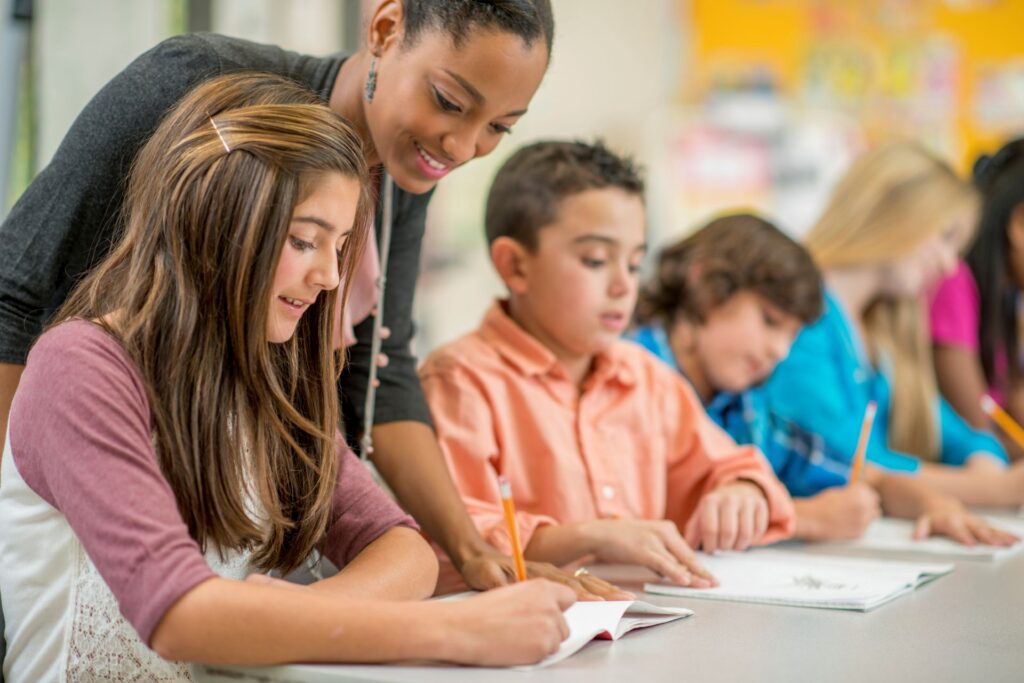
- Mentorship Programs: Establish mentorship programs that connect students with older peers or faculty members. Mentors can provide guidance, support, and encouragement, enhancing resilience.
5. Conclusion
In conclusion, resilience training is essential for helping students navigate the challenges of school and life. By developing emotional regulation, problem-solving skills, and a strong support network, students can enhance their ability to bounce back from setbacks and thrive academically and personally. Implementing practical strategies and fostering a supportive school environment can significantly contribute to building resilience in students. As they develop these vital skills, they will be better prepared to face future challenges and achieve their goals. Embrace resilience training, and watch as students transform into confident, capable individuals ready to tackle whatever comes their way!