JAKARTA, incaschool.sch.id – Psychology: Understanding the Human Mind and Behavior in School isn’t just a subject on paper – it’s something I’ve lived and messed up a few times! Back when I first started digging into psychology, I thought I only needed to memorize terms, but quickly realized there was stuff happening in every classroom corner that no textbook ever covered.
Psychology is the scientific study of the human mind and behavior, and its principles are incredibly relevant in the school environment. Understanding psychology can enhance educational experiences, improve student engagement, and foster a supportive atmosphere for learning. In this guide, I’ll share insights into the practical applications of psychology in schools, the lessons I learned outside of textbooks, and how these lessons can help educators and students alike.
1. The Importance of Psychology in Education
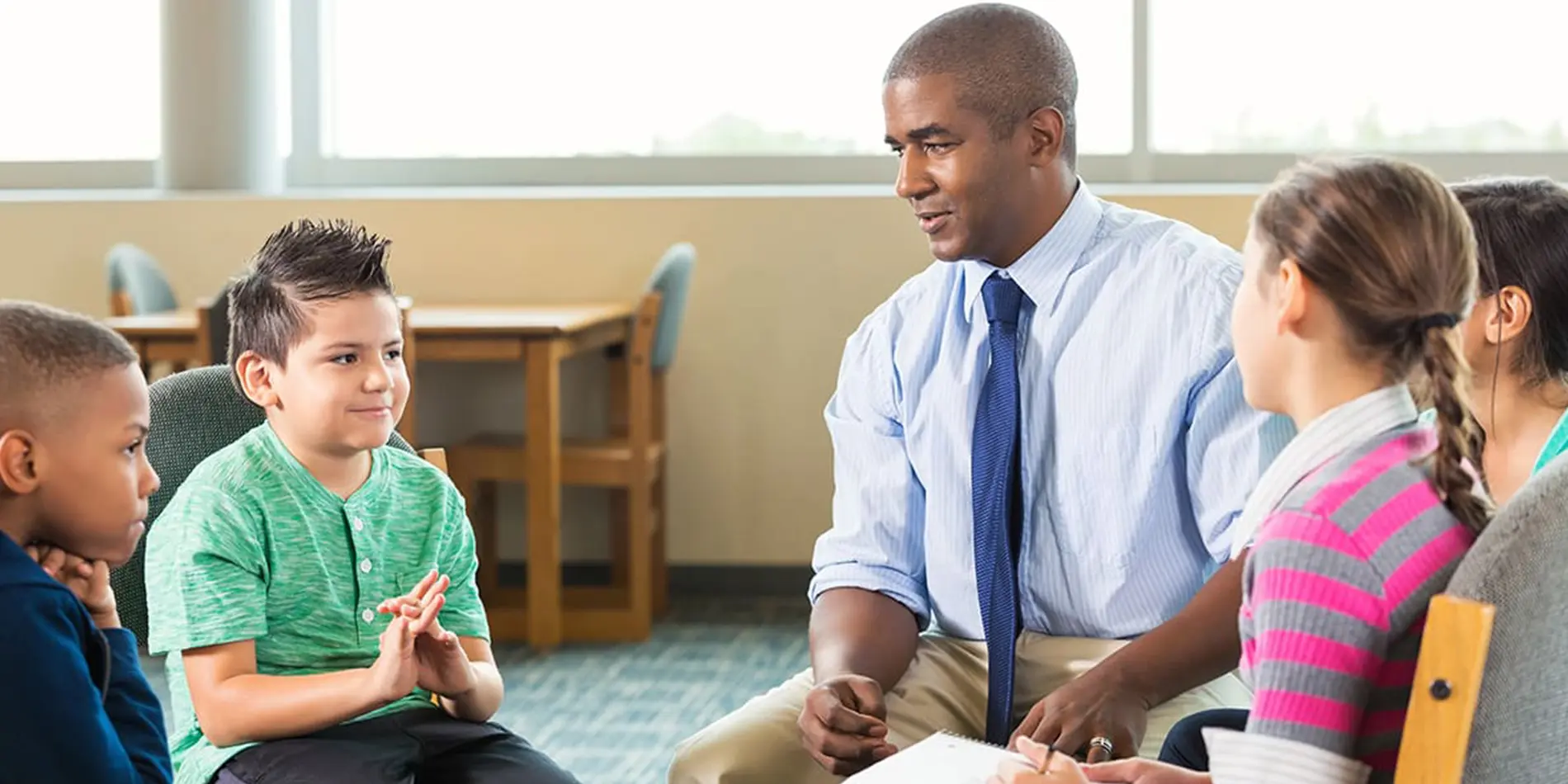
Psychology plays a crucial role in understanding how students think, learn, and behave. Here are some key reasons why psychology is essential in the educational context:
- Enhances Learning: By understanding cognitive processes, educators can develop teaching strategies that align with how students learn best.
- Supports Emotional Well-Being: Knowledge of psychological principles helps educators recognize and address emotional and behavioral issues, fostering a healthier school environment.
- Promotes Effective Communication: Understanding psychological concepts can improve communication between teachers and students, leading to better relationships and a more positive classroom atmosphere.
2. Real Lessons Learned Outside the Textbook
While textbooks provide foundational knowledge, many valuable lessons about psychology come from real-life experiences in schools. Here are some insights I gained:
– The Power of Growth Mindset
One of the most impactful concepts I encountered was the idea of a growth mindset, popularized by psychologist Carol Dweck. This mindset emphasizes the belief that abilities and intelligence can be developed through effort and learning.
Real Talk: I witnessed firsthand how students who embraced a growth mindset were more resilient in the face of challenges. They viewed failures as opportunities for growth rather than as indicators of their abilities. This perspective not only improved their academic performance but also fostered a positive classroom culture.
– The Importance of Emotional Intelligence
Emotional intelligence (EI) involves the ability to understand and manage one’s emotions and the emotions of others. In a school setting, high EI can lead to better relationships and improved conflict resolution.
Example: During group projects, I noticed that students with high emotional intelligence were better at navigating conflicts and fostering collaboration. They could empathize with their peers, which created a more cohesive team dynamic.
3. Practical Applications of Psychology in Schools
Educators can apply psychological principles to enhance the learning environment. Here are some practical strategies:
– Implement Active Learning Techniques
Active learning engages students in the learning process, promoting deeper understanding and retention of information. Techniques such as group discussions, problem-solving activities, and hands-on projects can be highly effective.
Tip: Incorporate activities that require students to apply what they’ve learned in real-world scenarios. This approach not only makes learning more relevant but also encourages critical thinking.
– Foster a Supportive Classroom Environment
Creating a safe and supportive classroom atmosphere is essential for student success. Encourage open communication, respect, and collaboration among students.
Example: I experienced a classroom where the teacher established clear guidelines for respectful behavior and encouraged students to share their thoughts without fear of judgment. This culture of support led to increased participation and engagement.
– Recognize Individual Differences
Every student is unique, with different learning styles, motivations, and backgrounds. Understanding these differences is key to effective teaching.
Tip: Use differentiated instruction to tailor lessons to meet the diverse needs of students. This might involve offering various types of assignments, providing choices in projects, or using multiple teaching methods to cater to different learning styles.
4. Addressing Behavioral Challenges
Understanding psychology can also help educators address behavioral challenges in the classroom. Here are some strategies:
– Use Positive Reinforcement
Positive reinforcement involves rewarding desired behaviors to encourage their repetition. This technique can be highly effective in promoting good conduct and engagement.
Example: In my experience, teachers who recognized and rewarded positive behavior—such as participation, cooperation, and effort—created a more motivated classroom environment. Simple acknowledgments, like praise or small incentives, can make a significant difference.
– Develop Conflict Resolution Skills
Teaching students conflict resolution skills can help them navigate disagreements and interpersonal issues more effectively. This involves training students to communicate their feelings, listen actively, and find mutually beneficial solutions.
Tip: Integrate role-playing activities into your curriculum to practice conflict resolution scenarios. This hands-on approach allows students to develop these skills in a safe environment.
5. Conclusion
Psychology offers valuable insights into understanding the human mind and behavior in educational settings. By applying psychological principles, educators can create a more effective, supportive, and engaging learning environment.
Through my experiences, I’ve learned that concepts such as growth mindset, emotional intelligence, and positive reinforcement can profoundly impact student behavior and academic success. As we continue to explore the intersection of psychology and education, let’s prioritize the application of these lessons in our classrooms.
By fostering an understanding of psychology in schools, we empower both educators and students to navigate challenges, enhance learning experiences, and cultivate a positive educational atmosphere that supports growth and development.
Improve Your Abilities: Explore Our content on Knowledge
Take a Look at Our Latest Article on Classroom Programs: Offering Diverse Learning Opportunities!