High school can be a challenging time for students as they navigate a variety of subjects, extracurricular activities, and personal responsibilities. However, becoming a problem solver can significantly enhance your academic experience and help you tackle challenges effectively. In this guide, I’ll explore strategies and techniques to develop your problem-solving skills, enabling you to approach high school classes with confidence and proficiency.
Understanding the Importance of Problem Solving
Problem-solving is a critical skill that extends beyond the classroom. It involves the ability to identify issues, analyze situations, and develop effective solutions. In high school, honing your problem-solving skills can lead to:
- Improved academic performance across subjects.
- Enhanced critical thinking and analytical abilities.
- Increased confidence in tackling complex tasks.
- Better preparation for college and future careers.
Strategies for Effective Problem Solving
- Identify the Problem: The first step in effective problem-solving is clearly identifying the issue at hand. Take time to understand what the problem is, its context, and its impact on your work or studies. Ask yourself questions to clarify the situation.
- Break It Down: Large problems can often feel overwhelming. Break them down into smaller, manageable parts. This approach allows you to tackle each component individually, making it easier to find solutions.
- Gather Information: Collect relevant information and resources related to the problem. This could include textbooks, online resources, or discussions with teachers and peers. The more informed you are, the better equipped you will be to find effective solutions.
- Brainstorm Solutions: Once you have a clear understanding of the problem, brainstorm potential solutions. Don’t limit yourself; consider all possible options, even those that may seem unconventional. Writing down your ideas can help you visualize different approaches.
- Evaluate Options: Assess the feasibility and effectiveness of each potential solution. Consider factors such as time, resources, and potential outcomes. Discuss your options with classmates or teachers to gain different perspectives.
- Implement a Solution: Choose the best solution and put it into action. Develop a plan that outlines the steps you need to take to implement this solution effectively. Stay organized and focused as you work through the process.
- Reflect on the Outcome: After implementing a solution, take time to reflect on the results. Did the solution work? What did you learn from the experience? Reflecting on the outcomes will help you improve your problem-solving skills for future challenges.
Tips for Becoming a Better Problem Solver
- Stay Positive: A positive mindset can significantly impact your ability to solve problems. Approach challenges with optimism and view them as opportunities for growth and learning.
- Practice Critical Thinking: Engage in activities that promote critical thinking, such as puzzles, logic games, and debates. These activities can help sharpen your analytical skills and enhance your ability to think creatively.
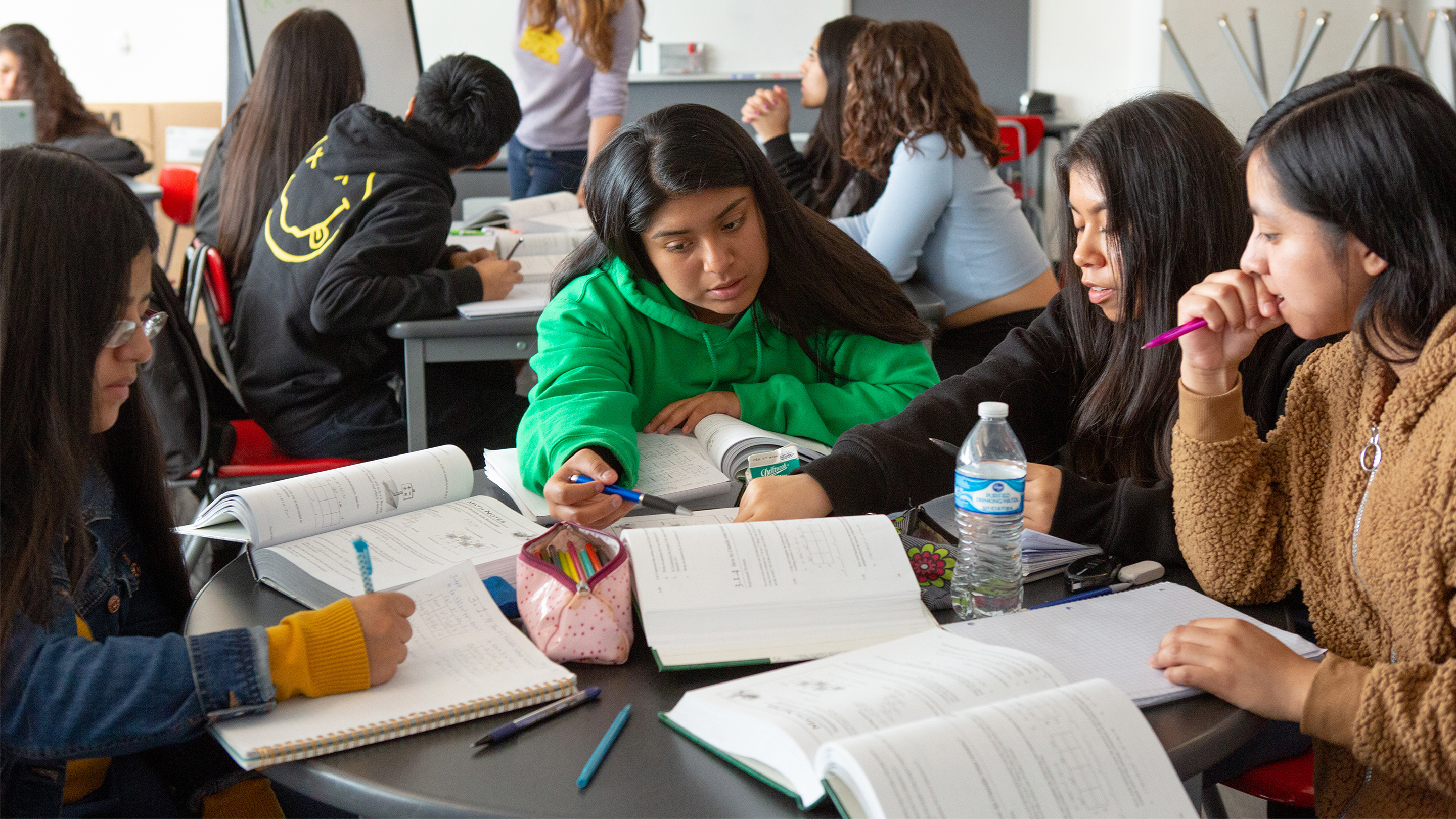
- Collaborate with Peers: Working with classmates can provide new insights and approaches to problem-solving. Collaborate on group projects, study sessions, or problem-solving workshops to learn from each other’s perspectives.
- Seek Help When Needed: Don’t hesitate to ask for help if you’re struggling with a particular problem. Teachers, tutors, and mentors can offer valuable guidance and support. Seeking assistance is a sign of strength, not weakness.
- Stay Organized: Keep track of assignments, deadlines, and resources. An organized approach to your studies will help you manage challenges more effectively and reduce stress.
- Embrace Failure as a Learning Opportunity: Recognize that not every approach will succeed; instead, view setbacks as valuable lessons that inform and improve your future problem-solving efforts.
- Develop a Growth Mindset: Cultivate a growth mindset by believing that your abilities can improve with effort and practice. This mindset encourages resilience and perseverance in the face of challenges.
Conclusion
In conclusion, becoming a skilled problem solver is essential for tackling challenges in high school classes and beyond. By implementing the strategies outlined in this guide, you can enhance your problem-solving abilities and approach academic challenges with confidence and creativity.
Remember, problem-solving is a skill that can be developed over time. Stay proactive, embrace challenges, and view each obstacle as an opportunity for growth. With determination and the right strategies, you can navigate your high school experience like a pro!