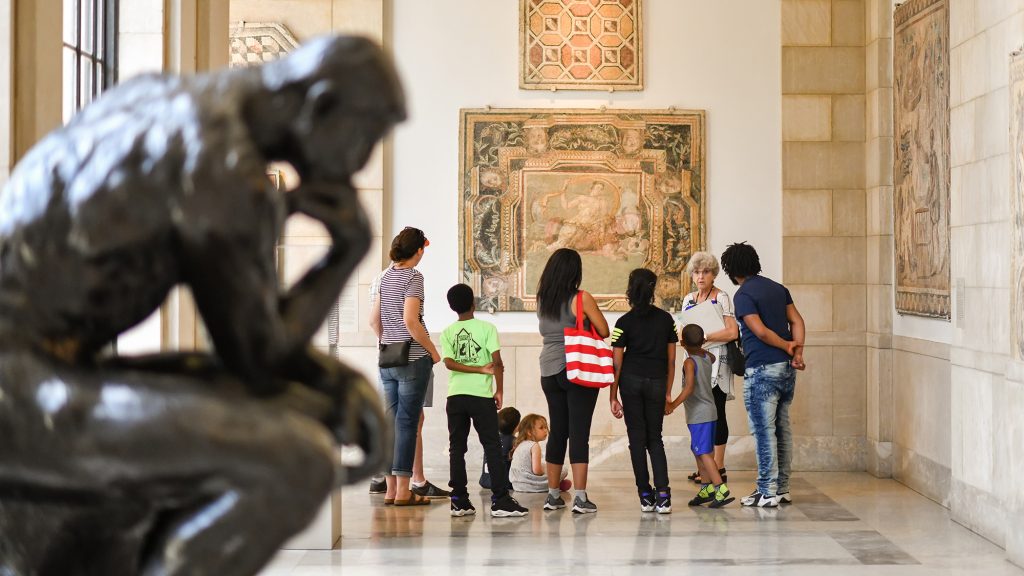
Museum visits are an invaluable part of the educational experience, offering students a unique opportunity to engage with history, art, and science in a tangible way. These field trips not only enhance classroom learning but also foster a deeper appreciation for cultural heritage and the preservation of history. In this article, I share real stories from my field trips to museums and provide tips on making the most of these enriching experiences.
1. The Importance of Museum Visits

Museum visits play a crucial role in education for several reasons:
– Hands-On Learning
- Experiential Education: Museums provide interactive exhibits that allow students to learn through experience. This hands-on approach helps reinforce concepts learned in the classroom.
- Visual and Auditory Engagement: Seeing artifacts, artwork, and historical displays engages multiple senses, making learning more memorable and impactful.
– Cultural Awareness
- Understanding Diversity: Museums often showcase diverse cultures and histories, promoting understanding and appreciation of different perspectives. This exposure can broaden students’ worldviews and foster empathy.
- Connecting with Heritage: For many students, visiting museums can create a personal connection to their cultural heritage, instilling pride and curiosity about their roots.
2. Memorable Experiences from My Museum Visits
Reflecting on my own experiences, several museum visits stand out as particularly impactful:
– The Natural History Museum
One of my most memorable field trips was to the Natural History Museum, where I marveled at dinosaur skeletons and ancient fossils.
- Interactive Exhibits: The dinosaur exhibit featured life-sized models and interactive displays that allowed us to learn about their habitats and behaviors. I remember being fascinated by the T-Rex skeleton and how it sparked a lively discussion among my classmates about prehistoric life.
- Guided Tour: Our guide shared captivating stories about the discoveries of various fossils, making the history come alive. This experience emphasized the importance of paleontology and the scientific method.
– The Art Museum
Another significant visit was to an art museum, where we explored various art movements and styles.
- Art Appreciation: Viewing masterpieces up close allowed me to appreciate the details and techniques used by artists. I remember standing in front of a Van Gogh painting, mesmerized by the vibrant colors and brush strokes.
- Creative Workshops: The museum offered a workshop where we could create our own art inspired by the exhibits. This hands-on activity encouraged creativity and self-expression, making the visit even more memorable.
3. Tips for Making the Most of Museum Visits
To enhance the educational value of museum visits, here are some practical tips:
– Prepare in Advance
- Research the Museum: Before the visit, research the museum’s exhibits and collections. Understanding what to expect can help you focus on areas of interest and prepare questions.
- Set Learning Objectives: Discuss with your teachers or classmates what you hope to learn from the visit. Setting specific goals can enhance engagement and retention of information.
– Engage Actively During the Visit
- Ask Questions: Don’t hesitate to ask museum staff or guides questions about the exhibits. Engaging with knowledgeable individuals can deepen your understanding and spark curiosity.
- Take Notes: Bring a notebook to jot down interesting facts or observations. This practice can help reinforce learning and provide material for post-visit discussions or assignments.
– Reflect After the Visit
- Group Discussions: After the visit, participate in group discussions to share your thoughts and insights. This collaborative reflection can enhance understanding and encourage diverse perspectives.
- Creative Projects: Consider creating a project based on your experience, such as a presentation, artwork, or written reflection. This allows you to synthesize what you learned and express your creativity.
4. Overcoming Challenges During Museum Visits
While museum visits are enriching, they can also present challenges. Here are some common issues and how to address them:
– Time Constraints
- Plan Your Itinerary: If time is limited, prioritize the exhibits you want to see. Discuss with your teachers which areas align best with your curriculum.
- Stay Focused: Avoid distractions and stay on schedule. Keep an eye on the time to ensure you can visit all the important exhibits.
– Crowds and Noise
- Visit During Off-Peak Hours: If possible, plan your visit during times when the museum is less crowded. This can enhance the experience by allowing for more personal engagement with exhibits.
- Use Headphones: Some museums offer audio guides that can be used with headphones. This allows you to learn at your own pace while minimizing distractions from other visitors.
5. Conclusion
In conclusion, museum visits are a vital component of the educational experience, providing students with opportunities to engage with history, art, and culture in meaningful ways. Through hands-on learning, cultural awareness, and personal connections to heritage, these visits enrich our understanding of the world. By preparing in advance, actively engaging during visits, and reflecting afterward, students can maximize the benefits of their museum experiences. Embrace the chance to explore museums, as they hold the keys to preserving history and inspiring future generations. Whether you’re marveling at ancient artifacts or creating your own art, the lessons learned from museum visits can last a lifetime.