

JAKARTA, incaschool.sch.id – Early Learning: Setting the Stage for School Achievement isn’t just a fancy slogan, folks. It’s something I learned the fun (and sometimes messy) way while watching my little cousin tackle elementary school—and then absolutely crush it as she moved into high school. Trust me, the groundwork we set in those early years really does stick with you.
Early learning is a critical phase in a child’s development that lays the foundation for future academic success and personal growth. Research consistently shows that the experiences and skills acquired during the early years significantly influence a child’s trajectory through high school and beyond. This article explores the importance of early learning, its impact on later achievement, and why it matters more than you might think.
1. The Importance of Early Learning
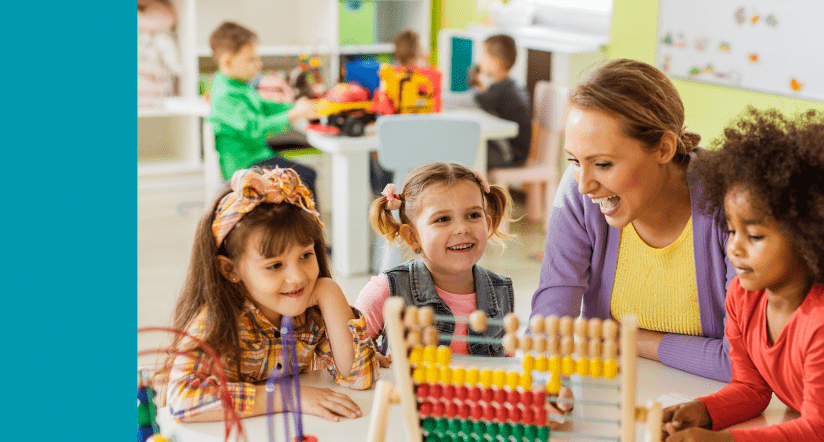
Early learning refers to the educational experiences children receive from birth to around eight years old. This period is crucial for cognitive, social, emotional, and physical development. Key reasons why early learning is important include:
- Brain Development: During the early years, a child’s brain develops rapidly, forming millions of neural connections. High-quality early learning experiences stimulate this development, enhancing cognitive abilities.
- Skill Acquisition: Children learn essential skills such as language, problem-solving, and social interaction during these formative years. These skills are foundational for success in later academic settings.
2. Long-Term Academic Impact
The benefits of early learning extend well into high school and beyond. Studies have shown that children who participate in high-quality early education programs tend to:
- Perform Better Academically: Early learners often achieve higher test scores and grades throughout their school years. They are more likely to be proficient in reading and math by the time they reach fourth grade, which is a critical indicator of future academic success.
- Exhibit Improved Social Skills: Early education programs often emphasize social-emotional learning, helping children develop interpersonal skills that are essential for collaboration and teamwork in high school and beyond.
3. Reducing Achievement Gaps
Early learning plays a vital role in reducing achievement gaps among different socio-economic groups. Access to quality early education can help level the playing field by:
- Providing Equal Opportunities: Children from disadvantaged backgrounds often enter school with fewer resources and skills. Early learning programs can provide these children with the support they need to thrive academically.
- Encouraging Lifelong Learning: Early exposure to structured learning environments fosters a love for education, encouraging children to remain engaged and motivated throughout their academic careers.
4. The Role of Parents and Caregivers
Parents and caregivers are instrumental in facilitating early learning. Their involvement can significantly enhance a child’s development through:
- Interactive Learning: Engaging in activities such as reading together, playing educational games, and exploring the environment helps reinforce learning concepts.
- Creating a Supportive Environment: Providing a nurturing and stimulating home environment encourages curiosity and exploration, which are essential for cognitive development.
5. Quality Early Learning Programs
Not all early learning programs are created equal. High-quality early education programs share several key characteristics:
- Qualified Educators: Programs staffed by trained and experienced educators are more likely to provide effective learning experiences.
- Developmentally Appropriate Practices: Quality programs use teaching methods that are tailored to the developmental stages of young children, ensuring that learning is engaging and relevant.
- Family Engagement: Successful early learning programs actively involve families in the learning process, fostering a partnership between home and school.
6. Investment in Early Learning
Investing in early learning yields significant returns for society as a whole. Benefits include:
- Economic Growth: High-quality early education leads to a more skilled workforce, reducing reliance on social services and increasing productivity.
- Reduced Educational Costs: By addressing learning gaps early, society can decrease the need for remedial education and special services in later years.
7. Conclusion
In conclusion, early learning is a vital component of a child’s development that sets the stage for high school achievement and lifelong success. The skills and experiences gained during these formative years have profound and lasting effects on academic performance, social skills, and overall well-being. By prioritizing early learning and investing in quality educational programs, we can create a brighter future for all children. Recognizing the importance of early learning is not just a matter of educational policy; it is a commitment to nurturing the potential of every child and ensuring that they have the tools they need to succeed in high school and beyond. As we advocate for early education, let us remember that the foundation we build today will shape the leaders of tomorrow.
Explore our “Knowledge” category for more insightful content!
Don't forget to check out our previous article: Khan Academy: Resources and Strategies for Student Success