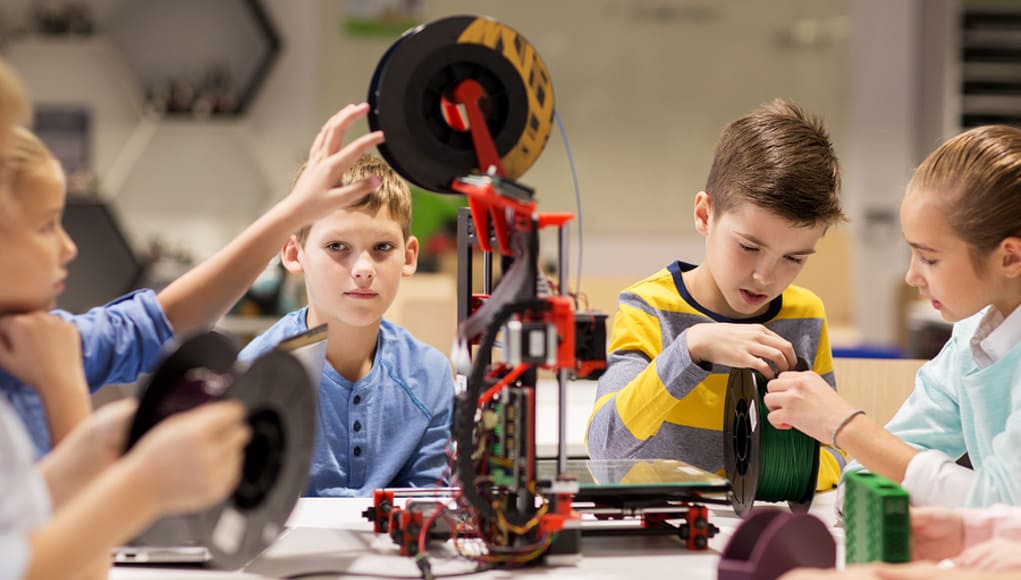
Fostering innovation in school projects is essential for developing critical thinking, problem-solving skills, and creativity among students. By harnessing the power of creative minds tips, students can elevate their projects from ordinary to extraordinary. In this article, I’ll share effective strategies to inspire creativity and innovation in school projects, ensuring that your ideas not only stand out but also work effectively.
The Importance of Creativity in School Projects

Creativity is a vital skill that extends beyond the classroom. It encourages students to think outside the box, explore new ideas, and approach problems from different angles. Here are a few reasons why fostering innovation is crucial:
- Enhanced Problem-Solving: Creative thinking helps students develop innovative solutions to challenges, preparing them for real-world scenarios.
- Engagement and Motivation: Projects that encourage creativity are often more engaging, leading to increased motivation and enthusiasm among students.
- Collaboration and Teamwork: Innovative projects often require collaboration, fostering teamwork and communication skills that are essential in any field.
Creative Minds Tips for Innovative School Projects
Here are some practical tips to help you foster innovation in your school projects:
1. Embrace Brainstorming Sessions
- Free Thinking: Encourage open brainstorming sessions where all ideas are welcome, no matter how unconventional. Create a judgment-free zone to promote free thinking.
- Mind Mapping: Use mind maps to visually organize ideas. This technique helps in connecting thoughts and exploring new avenues of creativity.
2. Encourage Diverse Perspectives
- Collaborate with Peers: Work with classmates from different backgrounds and skill sets. Diverse perspectives can spark new ideas and enhance the overall project quality.
- Seek Feedback: Regularly seek feedback from peers and teachers. Different viewpoints can highlight areas for improvement and inspire innovative solutions.
3. Incorporate Technology
- Utilize Digital Tools: Leverage technology to enhance your projects. Tools like Canva for design, Google Slides for presentations, or coding platforms for interactive projects can elevate your work.
- Explore Emerging Technologies: Stay updated on emerging technologies such as virtual reality, artificial intelligence, or 3D printing. Incorporating these elements can add a cutting-edge dimension to your projects.
4. Set Clear Goals and Constraints
- Define Objectives: Clearly outline the goals of your project. Understanding the purpose will guide your creative process and keep you focused.
- Work Within Constraints: Sometimes, limitations can fuel creativity. Set boundaries regarding time, resources, or materials, and challenge yourself to innovate within those constraints.
5. Experiment and Prototype
- Rapid Prototyping: Create quick prototypes or mock-ups of your ideas. This hands-on approach allows you to test concepts and iterate based on what works and what doesn’t.
- Embrace Failure: Don’t be afraid to fail. Each failure is a learning opportunity that can lead to better solutions. Encourage a mindset that values experimentation and resilience.
6. Draw Inspiration from the World Around You
- Research and Explore: Look for inspiration in books, documentaries, art, nature, and even everyday life. Observing the world can spark innovative ideas and approaches.
- Analyze Successful Projects: Study successful projects from previous students or professionals in your field. Analyze what made them effective and consider how you can apply similar principles to your work.
7. Present Your Ideas Creatively
- Engaging Presentations: When it’s time to present your project, think creatively about how to engage your audience. Use visuals, storytelling, and interactive elements to make your presentation memorable.
- Feedback Loop: After presenting, gather feedback on your presentation style and content. This will help you improve for future projects.
Conclusion
In conclusion, fostering innovation in school projects is essential for developing creative thinkers and problem solvers. By implementing these creative minds tips, students can enhance their projects, making them not only innovative but also effective and engaging.
Remember that creativity is a skill that can be nurtured and developed over time. Embrace experimentation, collaborate with others, and draw inspiration from your surroundings. With dedication and an open mind, you can transform your school projects into remarkable achievements that reflect your creative potential. Start today, and let your innovative ideas shine!