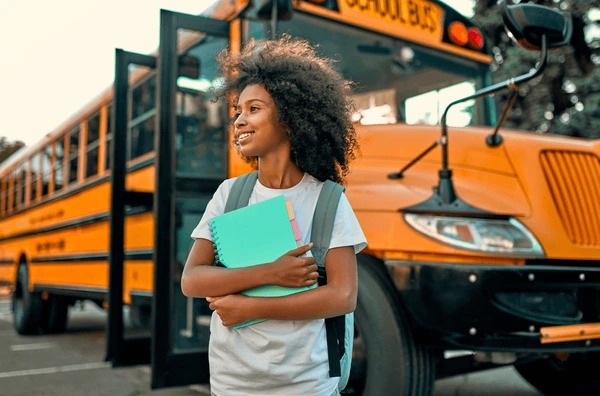

JAKARTA, incaschool.sch.id – Conflict Resolution: Navigating Disagreements in School is a rollercoaster I wish someone had prepped me for early on. Back in my school days, disagreements weren’t just about who got the last fried chicken at lunch. Sometimes, they turned into week-long silent treatments or those awkward group project breakdowns—been there, done that!
Conflict resolution is an essential skill for students navigating the complexities of school life. Disagreements are inevitable, whether they arise between classmates, friends, or even teachers. Effectively managing these conflicts can lead to personal growth, improved relationships, and a more harmonious school environment. In this article, I share strategies and insights on how to approach conflict resolution in school like a pro.
1. Understanding Conflict Resolution
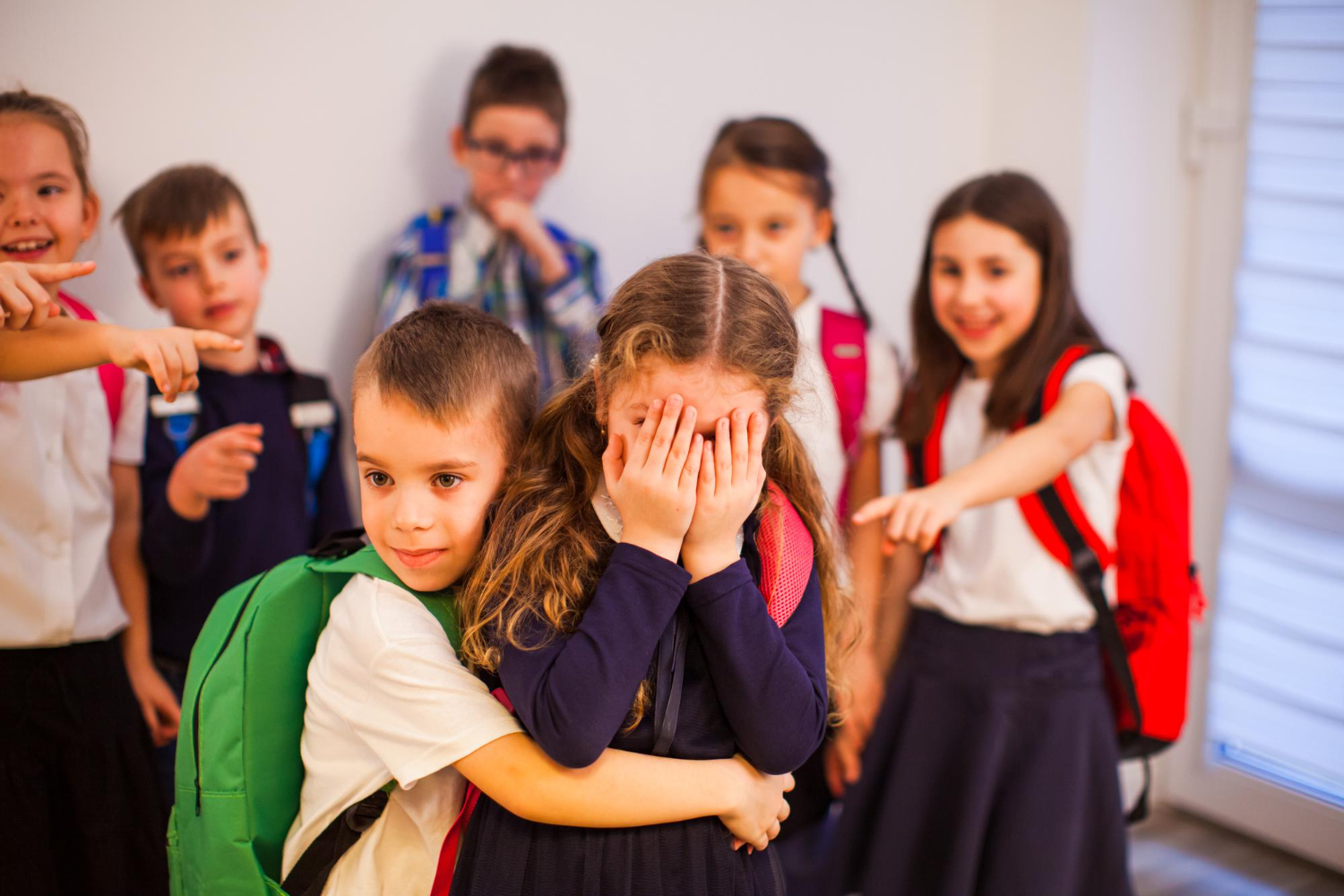
Conflict resolution involves the processes and techniques used to resolve disagreements in a constructive manner. Key components include:
- Communication: Open and honest dialogue is crucial for understanding different perspectives.
- Empathy: Recognizing and validating the feelings of others can help de-escalate tensions.
- Problem-Solving: Finding mutually acceptable solutions is the ultimate goal of conflict resolution.
2. The Importance of Conflict Resolution Skills
Developing conflict resolution skills is vital for several reasons:
- Relationship Building: Navigating disagreements effectively can strengthen relationships and foster a sense of community.
- Emotional Intelligence: Learning to manage conflicts enhances emotional intelligence, helping students understand their emotions and those of others.
- Academic Success: A positive school environment contributes to better focus and engagement, ultimately supporting academic achievement.
3. Strategies for Effective Conflict Resolution
Here are best practice for resolving conflicts in school:
– Stay Calm and Composed
Keeping your emotions in check is essential:
- Take a Breath: If you feel overwhelmed, take a moment to breathe deeply and collect your thoughts before responding.
- Avoid Escalation: Responding with anger or frustration can escalate the situation. Approach the conflict with a calm demeanor.
– Listen Actively
Active listening is a critical component of conflict resolution:
- Focus on the Speaker: Give your full attention to the person expressing their concerns. Avoid interrupting or formulating your response while they are speaking.
- Reflect Back: Paraphrase what the other person has said to ensure you understand their perspective. This shows that you value their input and are willing to engage in dialogue.
– Express Your Perspective
Once you’ve listened, it’s important to share your viewpoint:
- Use “I” Statements: Frame your thoughts using “I” statements to express how you feel without placing blame. For example, say “I felt hurt when…” instead of “You made me feel…”.
- Be Honest and Respectful: Communicate your feelings honestly while remaining respectful of the other person’s perspective.
– Seek Common Ground
Finding areas of agreement can help facilitate resolution:
- Identify Shared Goals: Focus on what you both want to achieve. This could be maintaining a positive relationship, completing a group project, or simply understanding each other better.
- Brainstorm Solutions: Collaboratively explore possible solutions that address both parties’ concerns. Be open to compromise and flexibility.
– Involve a Mediator if Necessary
Sometimes, conflicts require outside assistance:
- Ask for Help: If you’re unable to reach an agreement, consider involving a trusted teacher, counselor, or mediator who can provide guidance and facilitate the discussion.
- Stay Open-Minded: Be receptive to the mediator’s suggestions and insights, as they can offer valuable perspectives.
4. Learning from Conflicts
Every conflict presents an opportunity for growth:
- Reflect on the Experience: After resolving a conflict, take time to reflect on what you learned from the situation. Consider how you handled it and what you might do differently next time.
- Develop Conflict Resolution Skills: Use each experience as a chance to improve your conflict resolution skills. The more you practice, the more adept you will become at navigating disagreements.
5. Conclusion
In conclusion, conflict resolution is a vital skill that can significantly enhance your school experience. To navigate disagreements like a pro, you should stay calm, actively listen, express your perspective, seek common ground, and involve a mediator when necessary. Remember that conflicts are a natural part of life, and handling them constructively can lead to personal growth and stronger relationships. Embrace the opportunity to learn from each conflict, and develop the skills that will serve you well throughout your academic journey and beyond. With practice and patience, you can become a confident and effective conflict resolver, fostering a more positive and collaborative school environment.
Explore our “Knowledge” category for more insightful content!
Don't forget to check out our previous article: Effective Learning Strategies: Enhancing Knowledge Acquisition and Retention