Why Environmental Education Matters
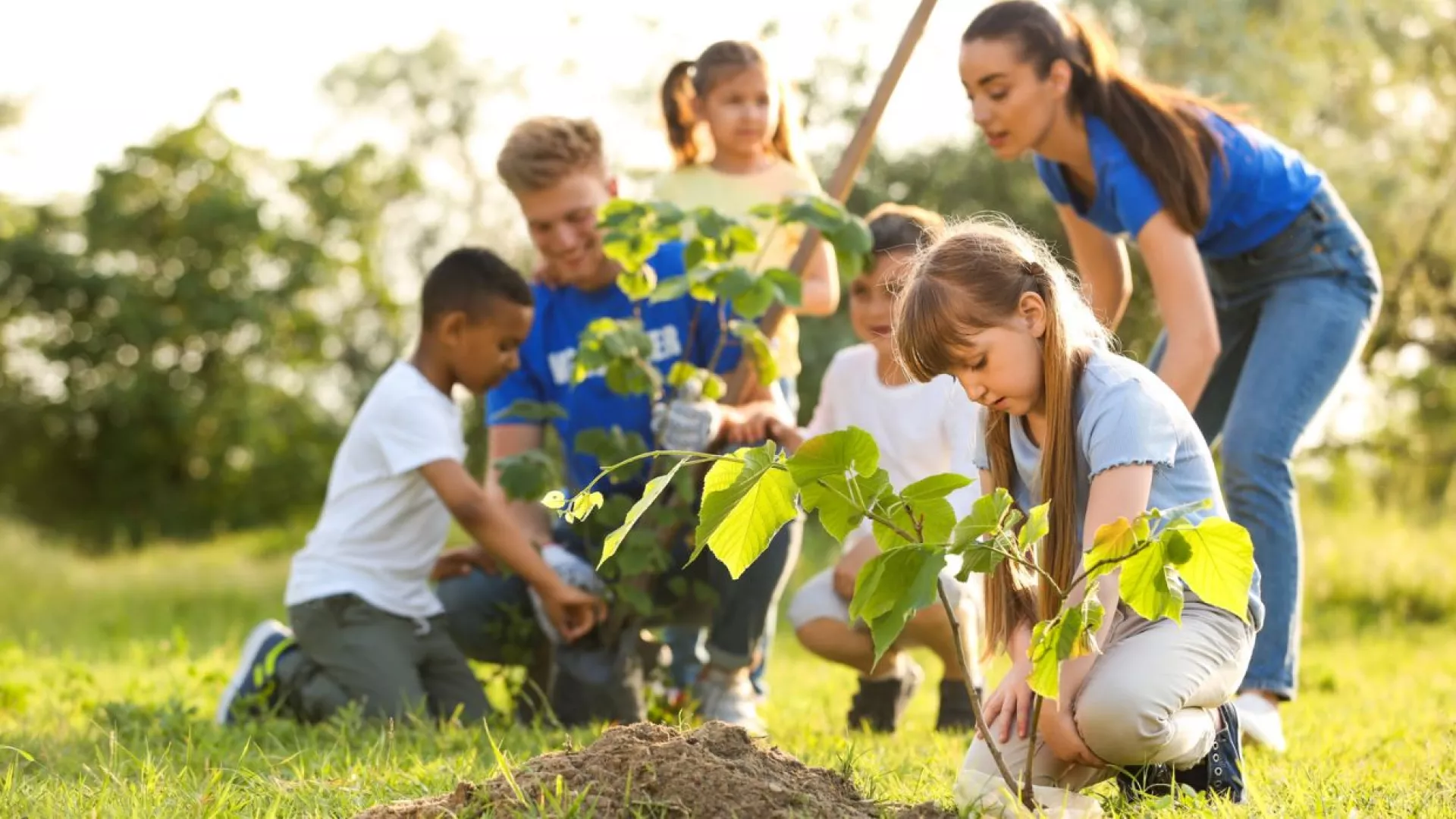
In my experience, Environmental Education matters because students need more than scientific information alone. They need a framework for understanding how environmental systems work, how human choices affect those systems, and why sustainable thinking must become part of everyday life. Without that educational foundation, environmental problems can seem either too abstract or too overwhelming to confront meaningfully.
This is especially important because today’s students are growing up in a world where environmental issues are no longer distant concerns. They affect food systems, weather patterns, water quality, public health, energy use, and community resilience. Schools therefore have an important responsibility not just to explain these issues, but to help students engage with them in informed and thoughtful ways.
There is also a strong connection to civic Knowledge here. Environmental education teaches students that ecological responsibility is tied to citizenship, ethics, science, and long-term planning.
My Perspective on Eco-Conscious Learning
What changed my understanding of Environmental Education was realizing that its true value lies in connecting knowledge with habits. At first, it may seem like the goal is simply to teach students about recycling, conservation, pollution, or ecosystems. But over time, I came to see that the deeper purpose is to cultivate an environmental mindset. Students need to recognize that their choices, routines, and assumptions are all connected to larger systems.
That is what makes environmental education so meaningful to me. It encourages students not only to learn about the planet, but also to reflect on how they live within it. When education creates that connection, eco-consciousness becomes more than a slogan. It becomes a way of thinking.
Core Elements of Environmental Education
I think Environmental Education becomes easier to understand when its main elements are broken down clearly.
Ecological understanding
Students learn how ecosystems function and how living systems are interconnected.
Human impact awareness
Education helps students see how consumption, pollution, industry, and development affect the environment.
Sustainability thinking
Students are encouraged to consider long-term consequences and responsible resource use.
Critical reflection
Environmental issues require questioning habits, systems, and assumptions.
Action and participation
Students should not only learn about environmental problems, but also explore ways to respond.
Ethical responsibility
The field invites reflection on justice, stewardship, and future generations.
Common Challenges in Environmental Education
I have noticed that schools often face several recurring challenges when promoting Environmental Education.
Abstract teaching
Environmental concepts can feel distant if they are not linked to students’ daily lives.
Overemphasis on fear
Too much focus on crisis can leave students discouraged rather than empowered.
Limited practical application
Students may learn the theory without chances to act on it meaningfully.
Curriculum constraints
Environmental topics may receive limited time or attention in crowded school programs.
Inconsistent modeling
Schools may teach sustainability ideals without fully practicing them institutionally.
Practical Value of Environmental Education
I believe Environmental Education offers strong and lasting value when approached thoughtfully.
It strengthens awareness
Students become more conscious of environmental systems and consequences.
It builds responsibility
Education encourages students to think ethically about consumption and stewardship.
It supports problem-solving
Environmental issues teach students to analyze complex, interconnected challenges.
It encourages active citizenship
Students learn that environmental care is part of social and civic responsibility.
It prepares future leaders
Eco-conscious thinking is increasingly relevant in policy, science, business, and daily life.
Below is a simple overview of the field:
| Environmental Education Element |
Why It Matters |
Example in Practice |
| Ecological understanding |
Explains how natural systems work |
Learning about food webs and ecosystems |
| Human impact awareness |
Connects choices to consequences |
Studying pollution and resource use |
| Sustainability thinking |
Encourages long-term responsibility |
Exploring renewable energy solutions |
| Action and participation |
Builds practical engagement |
Organizing school recycling or garden projects |
| Ethical responsibility |
Deepens moral reflection |
Discussing environmental justice and future generations |
These elements show that environmental education is not only about teaching students to care about nature. It is about helping them understand systems, consequences, and their own capacity to act responsibly.
Why Environmental Education Matters Beyond the Classroom
I think Environmental Education matters because environmental responsibility does not begin and end at school. The way students learn to think about waste, energy, food, transportation, and public resources can shape habits that continue for life. More broadly, it influences how future citizens, professionals, and leaders respond to some of the most serious challenges of the modern era.
That broader significance is exactly why environmental education deserves sustained attention. It helps create people who are not only informed, but also capable of linking awareness with action.
Final Thoughts
For me, Environmental Education is one of the most important areas of learning because it prepares students to live more thoughtfully in an interconnected world. It combines science, ethics, responsibility, and practical awareness in a way that feels urgently relevant.
That is why it matters so much. Environmental education is not simply about protecting nature as an abstract ideal. It is about cultivating eco-conscious students who can think clearly, act responsibly, and help shape a more sustainable future.