
Logistics Basics

Logistics Basics: Optimizing Supply Chains in High School

Jakarta, incaschool.sch.idUnderstanding logistics is essential for students interested in the world of supply chain management and operations. Logistics basics encompass the planning, implementation, and control of the flow of goods, services, and information from the point of origin to the final consumer. This article explores fundamental logistics concepts, their importance in supply chain optimization, and how high school students can engage with these principles to prepare for future careers in logistics and related fields.

The Importance of Logistics

5 School Rules That Boost Logistics Performance

  1. Efficient Resource Management: Logistics plays a crucial role in managing resources effectively, ensuring that materials and products are available when and where they are needed. This efficiency reduces waste and improves overall productivity.

  2. Cost Reduction: Effective logistics strategies can significantly lower operational costs by optimizing transportation, warehousing, and inventory management. This cost savings can be passed on to consumers, enhancing competitiveness.

  3. Customer Satisfaction: Timely delivery and accurate order fulfillment are key components of customer satisfaction. Strong logistics management ensures that customers receive their products on time and in good condition, fostering loyalty and repeat business.

  4. Supply Chain Optimization: Logistics is a critical element of supply chain management, impacting every stage from procurement to distribution. Optimizing logistics processes leads to a more streamlined and responsive supply chain.

Key Concepts in Logistics Basics

  1. Supply Chain Management (SCM):

    • SCM brings together and manages all activities—sourcing, purchasing, converting raw materials, and distributing finished goods. Understanding SCM is essential for placing logistics in the broader business context.
  2. Transportation:

    • Transportation refers to the movement of goods from one location to another. It includes various modes such as road, rail, air, and sea. Each mode has its advantages and disadvantages in terms of cost, speed, and capacity.
  3. Warehousing:

    • Warehousing involves the storage of goods before they are distributed to customers. Effective warehousing strategies include inventory management, layout design, and order picking processes to ensure efficient operations.
  4. Inventory Management:

    • At its core, inventory management balances supply and demand—holding enough product for customers but not so much that storage costs skyrocket. Just-in-Time (JIT) and Economic Order Quantity (EOQ) are two of the most frequently applied techniques.
  5. Order Fulfillment:

    • Order fulfillment is the process of receiving, processing, and delivering orders to customers. This includes order picking, packing, and shipping, and is critical for ensuring customer satisfaction.
  6. Logistics Technology:

    • Modern logistics relies heavily on technology for tracking shipments, managing inventory, and optimizing routes. Tools such as Transportation Management Systems (TMS) and Warehouse Management Systems (WMS) are integral to efficient logistics operations.

Engaging with Logistics Basics in High School

  1. Participate in Relevant Courses:

    • Many high schools offer courses in business, economics, or supply chain management. Enroll in these classes to gain foundational knowledge and skills related to logistics and operations.
  2. Join Clubs and Organizations:

    • Participate in business or logistics-related clubs, such as DECA or Future Business Leaders of America (FBLA). These organizations often provide opportunities for competitions, networking, and hands-on projects.
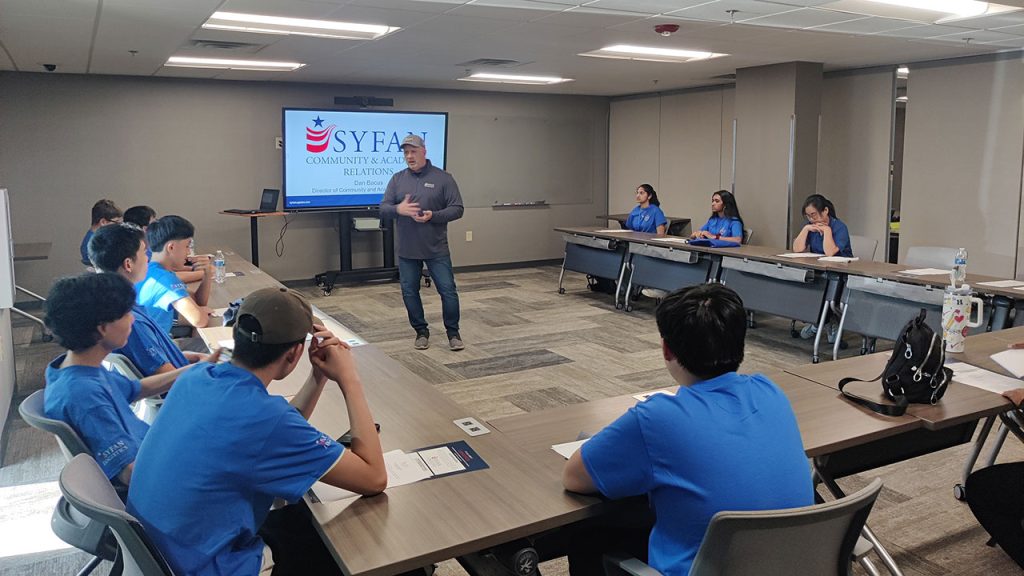
  3. Attend Workshops and Seminars:

    • Look for workshops, seminars, or guest lectures on logistics and supply chain topics. These events can provide insights from industry professionals and expose students to real-world applications.
  4. Engage in Projects and Case Studies:

    • Work on projects that involve analyzing supply chains or optimizing logistics processes. Case studies can help students apply theoretical concepts to practical scenarios.
  5. Explore Internships and Job Shadowing:

    • Seek internships or job shadowing opportunities with local businesses involved in logistics, warehousing, or transportation. Real-world experience is invaluable for understanding logistics operations.
  6. Utilize Online Resources:

    • Take advantage of online resources, such as articles, videos, and courses focused on logistics and supply chain management. Websites like Coursera, edX, and LinkedIn Learning offer valuable content for aspiring logistics professionals.

Conclusion

In conclusion, mastering logistics basics is essential for high school students interested in pursuing careers in supply chain management and operations. By understanding key concepts, engaging in relevant courses and activities, and gaining practical experience, students can build a strong foundation for future success in the logistics field. As industries continue to evolve and global supply chains become increasingly complex, the demand for skilled logistics professionals will only grow, making this an exciting and rewarding career path.

Explore our “Knowledge” category for more insightful content!

Don't forget to check out our previous article: School Traditions: Cherishing Memories and Milestones

Author