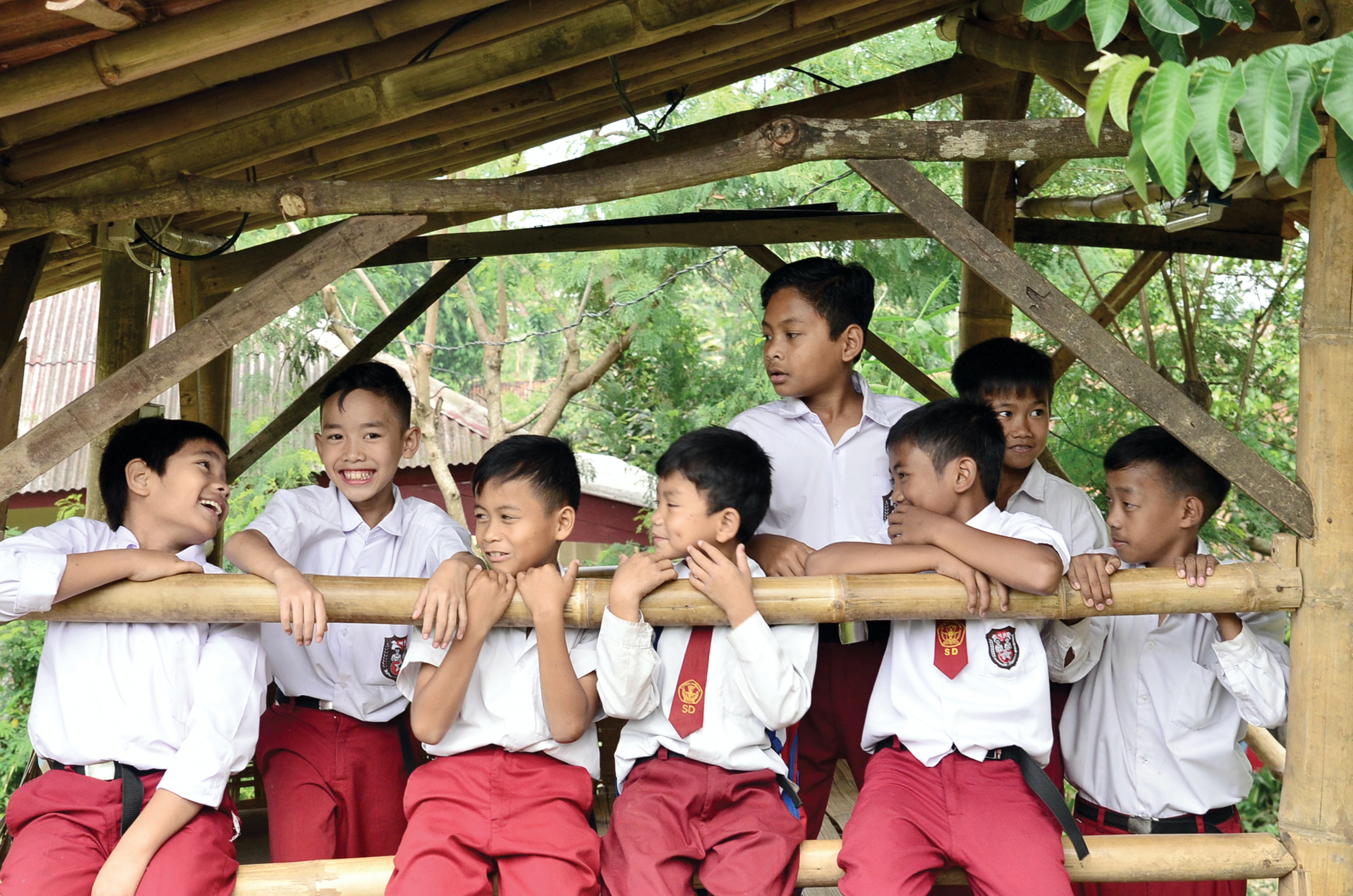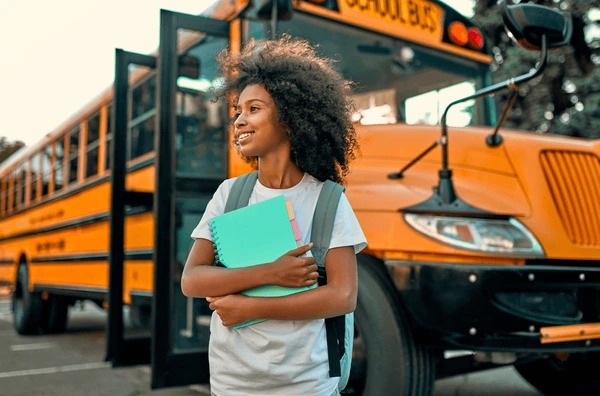
Jakarta, incaschool.sch.id – School traditions play a vital role in shaping the identity and culture of educational institutions. They create a sense of belonging, foster community spirit, and provide students with cherished memories and milestones that last a lifetime. In this article, we will explore the significance of school traditions, highlight various types of traditions, and discuss how they contribute to the overall experience of students and the school community.
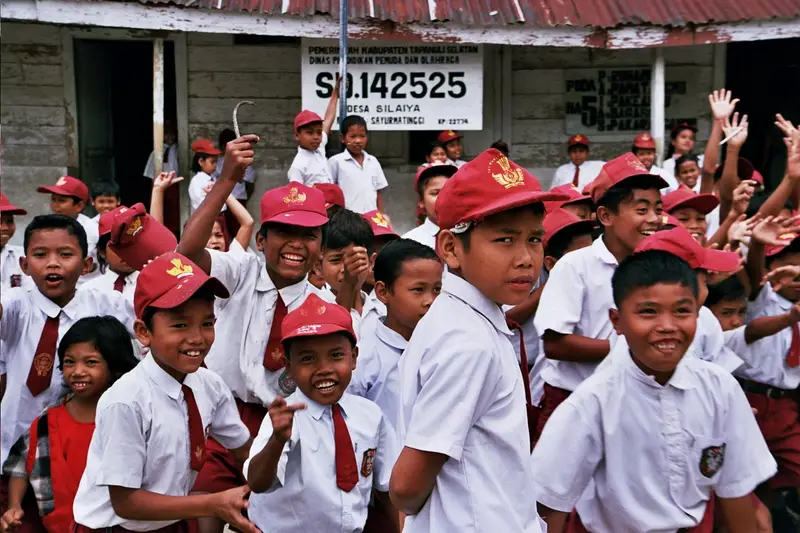
The Importance of School Traditions

-
Fostering Community: School traditions bring students, faculty, and families together, creating a sense of unity and belonging. They encourage participation and collaboration, strengthening the bonds within the school community.
-
Cultural Identity: Traditions reflect the unique culture and values of a school. They help preserve the history and heritage of the institution, allowing students to connect with past generations and understand their school’s legacy.
-
Creating Lasting Memories: Participating in school traditions provides students with memorable experiences that they carry with them throughout their lives. These memories often become cherished stories that are shared long after graduation.
-
Encouraging School Spirit: Traditions promote school pride and spirit. Events such as homecoming, spirit weeks, and pep rallies instill a sense of enthusiasm and loyalty among students, encouraging them to support their school and peers.
-
Development of Life Skills: Engaging in school traditions helps students develop important life skills, such as teamwork, leadership, and communication. Participation in events and activities fosters personal growth and confidence.
Types of School Traditions
-
Annual Events:
- Homecoming: A celebration that often includes a parade, football game, and dance, homecoming events reconnect alumni with their alma mater while fostering school spirit among current students.
- Graduation Ceremonies: Graduation marks a significant milestone in students’ lives, celebrating their achievements and transition to the next phase of their education or careers.
-
Seasonal Celebrations:
- Prom: A formal dance typically held for high school juniors and seniors, prom is a rite of passage that allows students to celebrate their time together before graduation.
- Holiday Celebrations: Schools often host events to celebrate various holidays, such as Halloween parties, winter festivals, or spring fairs, fostering a sense of joy and community.
-
Sports Traditions:
- Rivalry Games: Annual competitions against rival schools create excitement and camaraderie among students, often accompanied by themed events and spirited celebrations.
- Cheerleading and Pep Rallies: These events boost morale and support for school sports teams, encouraging student participation and enthusiasm.
-
Academic and Cultural Traditions:
- Honor Societies and Awards: Recognizing academic achievements through honor societies or awards ceremonies celebrates student excellence and motivates others to strive for success.
- Cultural Festivals: Schools may host events that celebrate the diverse cultures represented within the student body, promoting inclusivity and understanding.
-
Service and Philanthropy:
- Community Service Days: Organizing events focused on giving back to the community fosters a sense of responsibility and encourages students to engage in meaningful service.
- Fundraising Events: Activities such as bake sales, car washes, or charity runs unite students in a common cause, teaching the importance of teamwork and philanthropy.
How to Strengthen School Traditions
-
Involve Students: Encourage student participation in planning and executing traditions. Providing leadership opportunities empowers students and ensures that traditions reflect their interests and values.
-
Promote Inclusivity: Ensure that school traditions are inclusive and accessible to all students, regardless of background or ability. This fosters a sense of belonging and encourages broader participation.
-
Document and Share: Capture the essence of school traditions through photos, videos, and written accounts. Sharing these memories through social media, newsletters, or yearbooks helps preserve the legacy of traditions for future generations.
-
Adapt and Evolve: While traditions are important, it’s essential to adapt them to reflect the changing needs and values of the school community. Embrace innovation while respecting the core elements that make traditions meaningful.
-
Celebrate Milestones: Recognize significant anniversaries or milestones related to school traditions. Celebrating these moments reinforces the importance of traditions and encourages ongoing participation.
Conclusion
In conclusion, school traditions are integral to the educational experience, fostering community, creating lasting memories, and instilling a sense of pride among students. By cherishing and nurturing these traditions, schools can enhance their culture and create a supportive environment where students thrive. As students participate in these shared experiences, they build connections that will resonate throughout their lives, making school traditions an invaluable aspect of their educational journey.
Explore our “Knowledge” category for more insightful content!
Don't forget to check out our previous article: Veterinary Science: Caring for Animals in High School