
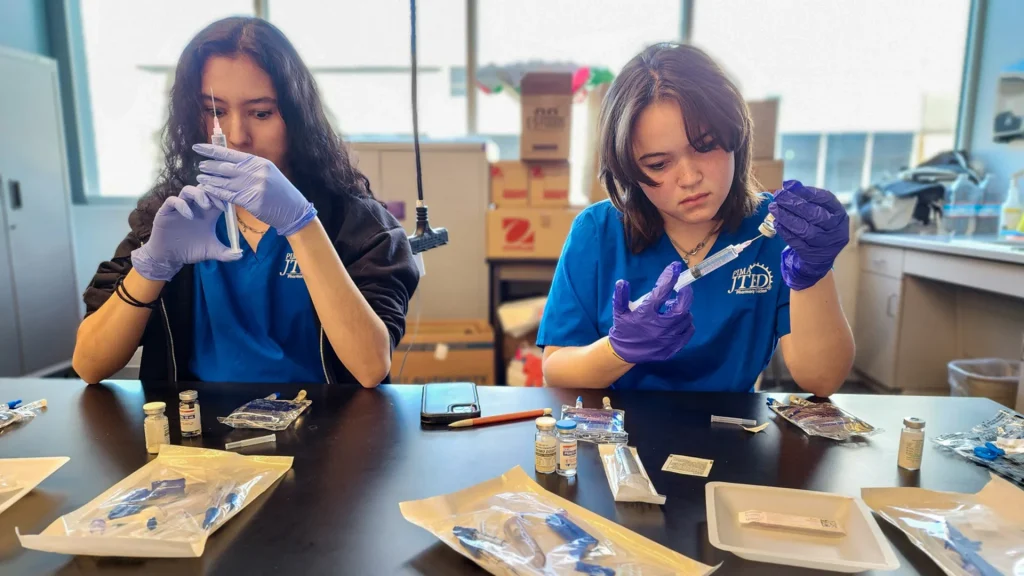
Jakarta, incaschool.sch.id – Occupational health plays a crucial role in promoting the well-being of individuals in various environments, including high schools. Understanding and applying the principles of occupational health can significantly enhance daily living for high school students, helping them manage their physical, mental, and emotional health effectively. This article explores the importance of occupational health in high schools, its impact on students, and practical strategies to foster a healthier school environment.

The Importance of Occupational Health in High Schools

-
Promoting Well-Being: Occupational health focuses on creating a safe and healthy environment that supports students’ physical and mental well-being. This is particularly important in high school, where students face academic pressures, social challenges, and the transition to adulthood.
-
Enhancing Academic Performance: A healthy student is more likely to excel academically. By addressing health-related issues, schools can improve attendance, concentration, and overall performance, leading to better educational outcomes.
-
Preventing Illness and Injury: Implementing occupational health practices can help prevent common health issues and injuries among students, such as musculoskeletal disorders from poor posture or repetitive strain injuries from excessive computer use.
-
Supporting Mental Health: High school can be a stressful time for students. Occupational health initiatives can promote mental well-being by providing resources and support systems for stress management, anxiety, and other mental health concerns.
-
Fostering Healthy Habits: Educating students about occupational health encourages them to adopt healthy habits that can last a lifetime. This includes proper ergonomics, nutrition, exercise, and stress management techniques.
Key Components of Occupational Health in High Schools
-
Ergonomics:
- Classroom Setup: Ensure that classroom furniture is appropriately sized for students to promote good posture and reduce strain. Desks and chairs should be adjustable, and students should be encouraged to sit with their feet flat on the floor.
- Computer Use: Provide guidelines for proper computer workstation setup, including monitor height, keyboard placement, and seating position. Teach students to take regular breaks to reduce eye strain and fatigue.
-
Physical Activity:
- Incorporate Movement: Encourage regular physical activity throughout the school day. This can include short breaks for stretching or movement, physical education classes, and after-school sports programs.
- Promote Active Lifestyles: Support initiatives that encourage students to walk, bike, or engage in physical activities during their commute to school.
-
Nutrition and Hydration:
- Healthy Food Options: Provide access to nutritious meals and snacks in school cafeterias. Educate students about the importance of balanced diets and healthy eating habits.
- Hydration Stations: Install water stations or provide easy access to drinking water to encourage students to stay hydrated throughout the day.
-
Mental Health Support:
- Counseling Services: Ensure that students have access to mental health resources, including school counselors and mental health workshops. Promote awareness of mental health issues and reduce stigma.
- Stress Management Programs: Offer programs that teach stress management techniques, such as mindfulness, meditation, and time management skills.
-
Health Education:
- Curriculum Integration: Incorporate occupational health topics into the school curriculum, covering areas such as ergonomics, nutrition, mental health, and safe practices in various environments.
- Workshops and Seminars: Organize workshops that provide students with practical skills and knowledge related to occupational health, including first aid, injury prevention, and healthy lifestyle choices.
Practical Strategies for Enhancing Occupational Health
-
Create a Health Committee:
- Form a committee of students, teachers, and health professionals to assess and address occupational health issues within the school. This group can develop initiatives and programs to improve student health and well-being.
-
Conduct Health Screenings:
- Organize regular health screenings for students to monitor physical health, vision, hearing, and mental well-being. Use the results to identify areas for improvement and provide necessary resources.
-
Encourage Peer Support:
- Foster a supportive school culture where students can share their experiences and challenges. Peer support programs can help students cope with stress and promote mental well-being.
-
Engage Parents and Guardians:
- Involve parents in occupational health initiatives by providing resources and information on how they can support their children’s health at home. Host informational sessions to educate families about the importance of occupational health.
-
Evaluate and Adapt:
- Regularly assess the effectiveness of occupational health programs and initiatives. Gather feedback from students, staff, and parents to identify areas for improvement and adapt strategies accordingly.
Conclusion
In conclusion, occupational health is vital for enhancing daily living in high schools. By promoting a healthy environment, addressing physical and mental well-being, and fostering healthy habits, schools can support students in achieving their full potential. Implementing effective occupational health practices not only benefits individual students but also contributes to a healthier, more productive school community. Prioritizing occupational health is an investment in the future of students, equipping them with the knowledge and skills needed for a successful and healthy life.
Explore our “Knowledge” category for more insightful content!
Don't forget to check out our previous article: Career Explore: Dreaming Big for Post-High School Life