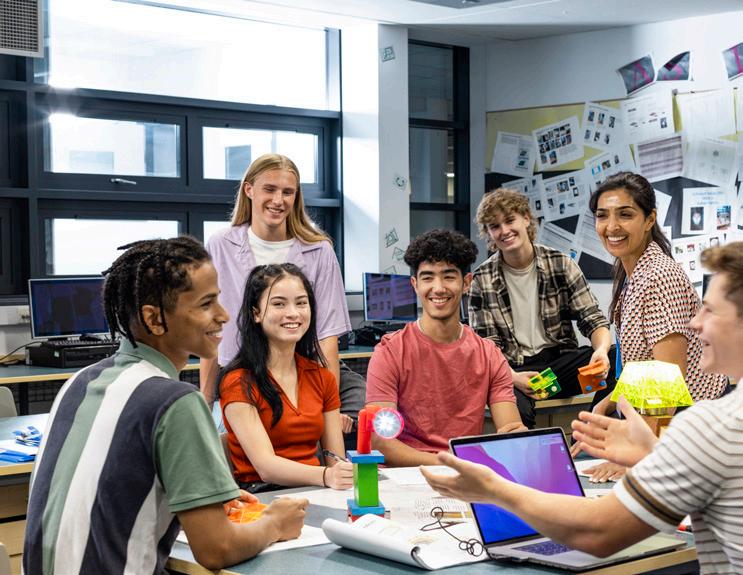
In an ever-evolving educational landscape, being school future ready means equipping students with the skills, knowledge, and mindset necessary to thrive in a rapidly changing world. As students transition through high school, they must prepare not only for college and careers but also for lifelong learning and adaptability. This guide provides a roadmap for students, parents, and educators, along with practical tips to ensure readiness for the future.
1. Understanding the Concept of School Future Ready
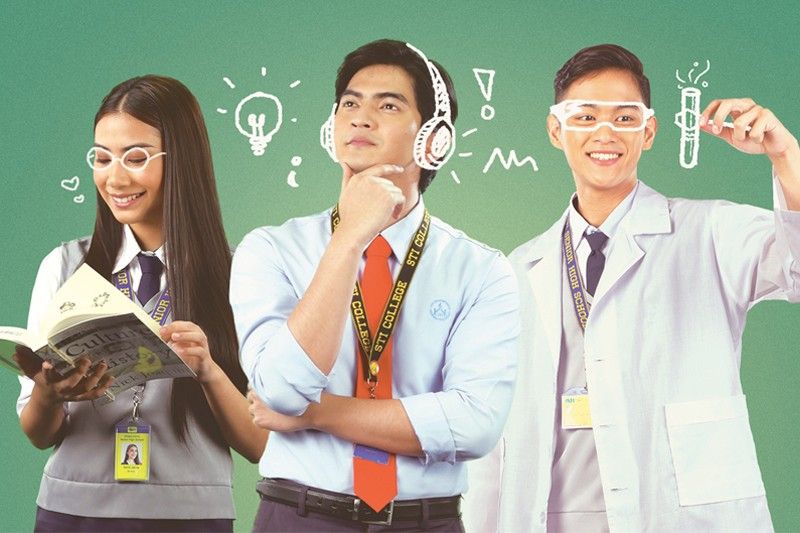
School future ready encompasses a holistic approach to education that prepares students for the challenges and opportunities of the future. Key components include:
– Skills Development
- Critical Thinking and Problem Solving: Students should learn to analyze information critically, think creatively, and develop solutions to complex problems.
- Collaboration and Communication: Effective teamwork and communication skills are essential for success in both academic and professional environments.
– Technological Proficiency
- Digital Literacy: In an increasingly digital world, students must be proficient in using technology, understanding digital tools, and navigating online resources.
- Adaptability to New Technologies: Emphasizing the ability to learn and adapt to new technologies will prepare students for future innovations.
2. Roadmap for Becoming School Future Ready
To become future ready, students can follow this comprehensive roadmap:
– Set Clear Goals
- Academic and Career Objectives: Encourage students to establish clear, specific, measurable, achievable, relevant, and time-bound (SMART) objectives for their academic and career journeys. Having this clarity will help steer their choices and actions throughout their high school years.
- Personal Development: Include personal growth goals, such as improving time management, developing leadership skills, or enhancing emotional intelligence.
– Engage in Diverse Learning Experiences
- Extracurricular Activities: Participation in clubs, sports, and community service can help students develop teamwork, leadership, and social skills. These experiences also enhance college applications and resumes.
- Internships and Job Shadowing: Gaining real-world experience through internships or job shadowing opportunities allows students to explore potential career paths and build professional networks.
– Build a Strong Academic Foundation
- Challenging Coursework: Encourage students to take advanced courses, such as honors or Advanced Placement (AP) classes, to prepare for college-level work and enhance critical thinking skills.
- Focus on STEM and Humanities: A balanced curriculum that includes science, technology, engineering, mathematics (STEM), and humanities fosters well-rounded individuals capable of tackling diverse challenges.
3. Real Tips for Success
Here are some practical tips to help students become school future ready:
– Develop Strong Study Habits
- Consistent Routine: Establish a regular study schedule that allows for dedicated time to review material, complete assignments, and prepare for exams. Consistency is key to academic success.
- Active Learning Techniques: Promote the use of active learning techniques, such as putting information into their own words, explaining concepts to others, or designing visual tools like mind maps.
– Cultivate a Growth Mindset
- Embrace Challenges: Encourage students to view challenges as opportunities for growth rather than obstacles. A growth mindset fosters resilience and a willingness to learn from failures.
- Seek Feedback: Teach students the importance of seeking constructive feedback from teachers, peers, and mentors. This feedback can guide improvement and skill development.
– Network and Build Relationships
- Connect with Mentors: Encourage students to seek out mentors—teachers, counselors, or professionals in their fields of interest—who can provide guidance, support, and networking opportunities.
- Engage with Peers: Building relationships with classmates fosters collaboration and support. Group study sessions and project collaborations can enhance learning experiences.
4. Utilizing Resources
To support their journey toward being school future ready, students should take advantage of available resources:
– School Counseling Services
- Career Counseling: School counselors can provide valuable insights into college and career options, helping students navigate their post-high school plans.
- Academic Support: Counselors can assist with course selection, academic planning, and identifying resources for additional support.
– Online Learning Platforms
- Supplemental Learning: Utilize online platforms like Khan Academy, Coursera, or edX to access additional courses and resources that align with students’ interests and goals.
- Skill Development: Explore platforms that offer courses in coding, graphic design, or digital marketing to enhance technological proficiency and prepare for future careers.
5. Conclusion
In conclusion, being school future ready involves a proactive approach to education that prepares students for the complexities of the modern world. By setting clear goals, engaging in diverse learning experiences, building a strong academic foundation, and utilizing available resources, students can equip themselves with the skills and knowledge necessary for success. Embracing a growth mindset and cultivating relationships will further enhance their readiness for whatever lies ahead.