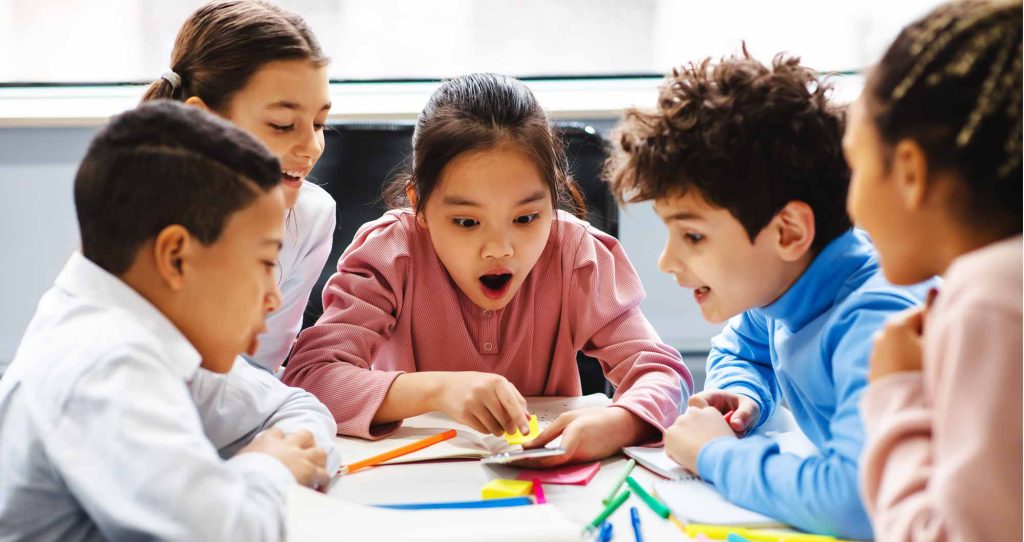
School dynamics refer to the complex interactions and relationships that occur within educational environments, influencing the experiences of students, teachers, and the broader community. Understanding these dynamics is crucial for fostering a positive school culture, enhancing learning outcomes, and promoting social development. This article explores the various elements of school dynamics and how they shape our daily experiences within educational settings.
1. The Importance of School Dynamics
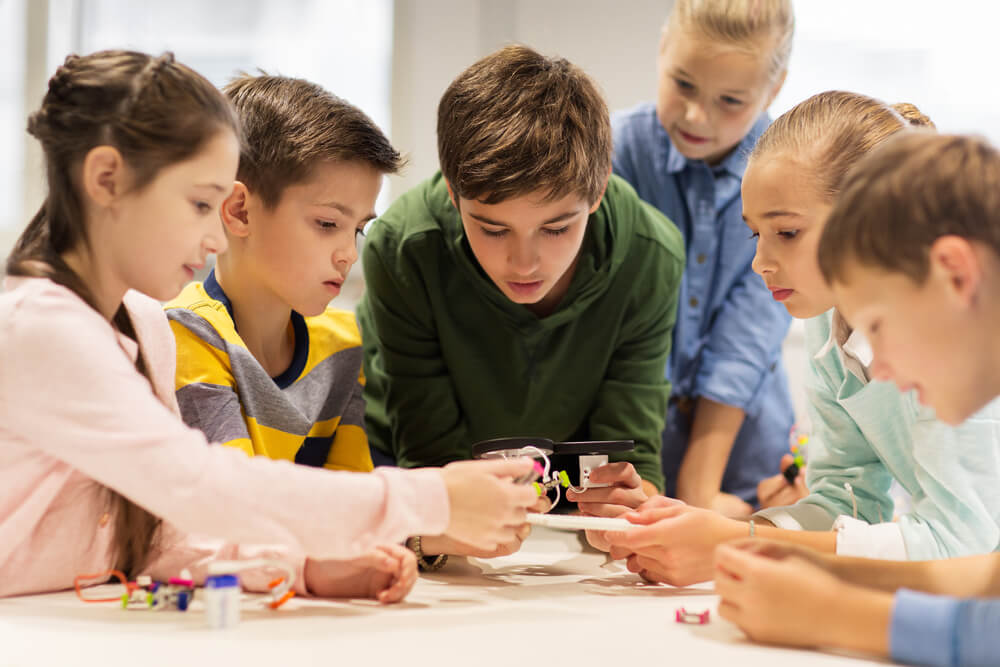
School dynamics encompass various factors that affect how individuals interact and engage within the school community. Recognizing these dynamics is essential for several reasons:
– Impact on Learning
- Collaborative Learning: Positive interactions among students and teachers can enhance collaborative learning experiences, leading to improved academic performance.
- Emotional Well-Being: A supportive school environment contributes to students’ emotional well-being, which is crucial for effective learning and personal development.
– Social Development
- Building Relationships: School dynamics play a significant role in helping students develop social skills and build relationships with peers and educators.
- Cultural Awareness: Interactions within diverse school communities promote cultural awareness and understanding, preparing students for a global society.
2. Key Elements of School Dynamics
Several key elements contribute to the overall dynamics within a school environment:
– Teacher-Student Relationships
- Trust and Respect: Strong teacher-student relationships are built on trust and respect. When students feel valued and understood by their teachers, they are more likely to engage in the learning process.
- Mentorship: Teachers who act as mentors can provide guidance and support, helping students navigate academic and personal challenges.
– Peer Interactions
- Friendships and Social Groups: The friendships students form in school significantly influence their social dynamics. Positive peer relationships can enhance motivation and create a sense of belonging.
- Bullying and Conflict: Negative interactions, such as bullying or social conflict, can disrupt school dynamics and impact students’ emotional health. Addressing these issues is crucial for maintaining a positive school environment.
– Parental and Community Involvement
- Engaged Parents: When parents are actively involved in their children’s education, it fosters a supportive learning environment. Communication between parents and teachers can enhance student success.
- Community Partnerships: Collaborations with local organizations and businesses can enrich the educational experience, providing students with additional resources and opportunities.
3. The Role of School Culture
School culture refers to the shared values, beliefs, and norms that shape the behavior of individuals within the school community. Understanding school culture is essential for creating a positive environment:
– Establishing Core Values
- Inclusivity and Respect: Promoting values of inclusivity and respect creates a welcoming environment for all students, regardless of their backgrounds.
- Academic Excellence: Encouraging a culture of academic excellence motivates students to strive for their best and take pride in their achievements.
– Celebrating Diversity
- Cultural Events: Hosting cultural events and activities can celebrate diversity within the school community, fostering understanding and appreciation among students.
- Curriculum Integration: Incorporating diverse perspectives into the curriculum helps students recognize the value of different cultures and experiences.
4. Strategies for Enhancing School Dynamics
To improve school dynamics, educators, administrators, and community members can implement several strategies:
– Foster Open Communication
- Encourage Dialogue: Create platforms for open dialogue among students, teachers, and parents. Regular meetings and feedback sessions can help address concerns and build trust.
- Anonymous Reporting Systems: Implement anonymous reporting systems for students to voice concerns about bullying or other issues without fear of retaliation.
– Promote Collaborative Learning
- Group Projects: Encourage collaborative projects that require teamwork and communication. This fosters positive peer interactions and helps students develop essential social skills.
- Peer Mentoring Programs: Establish peer mentoring programs where older students support younger ones, promoting positive relationships and a sense of community.
– Provide Professional Development
- Provide professional development opportunities that help teachers build strong relationships with students and address diverse classroom needs.
- Deliver conflict resolution training that equips educators with strategies to manage disputes and foster a positive learning environment.
5. Conclusion
In conclusion, school dynamics play a vital role in shaping the experiences of students, teachers, and the entire school community. By understanding the key elements of these dynamics and implementing effective strategies, we can create a positive and inclusive school environment that fosters learning, growth, and social development. Recognizing the importance of relationships, communication, and culture within schools is essential for nurturing a supportive educational experience that prepares students for success in their academic and personal lives. Embracing the complexities of school dynamics can lead to a more harmonious and enriching educational journey for everyone involved.