
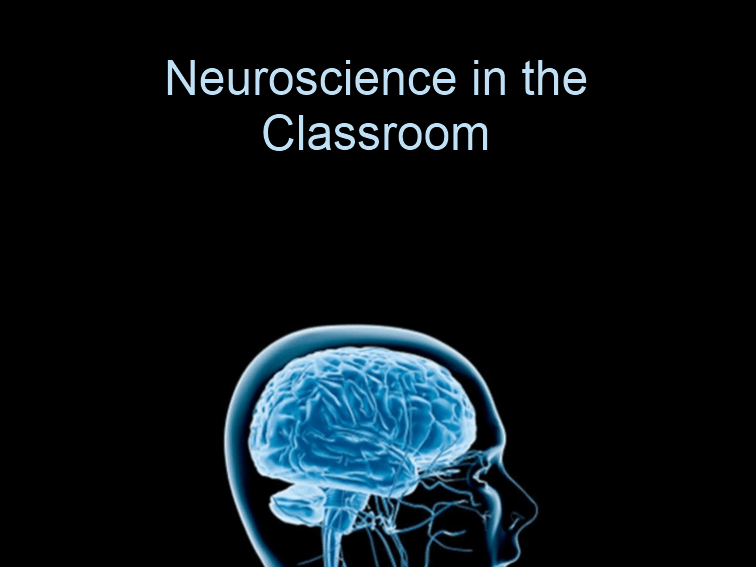
Jakarta, incaschool.sch.id – Neuroscience basics provide a foundational understanding of how the brain works, its structure, and its influence on behavior. This interdisciplinary field combines elements of biology, psychology, and medicine to explore the complexities of the nervous system. In this article, we will delve into the fundamental aspects of neuroscience, including brain structure, function, and how these elements relate to behavior.
1. Understanding the Brain’s Structure
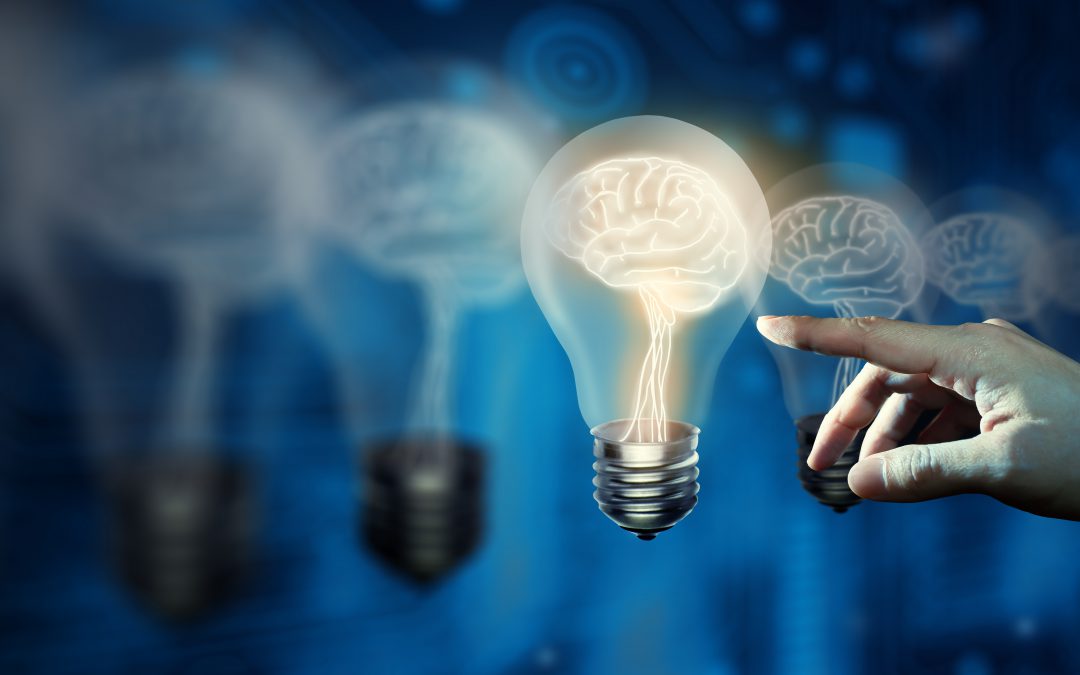
The brain is a complex organ composed of various structures, each with specific functions. Here are the key components:
– Neurons
- Definition: Neurons are the fundamental building blocks of the nervous system. They are specialized cells that transmit information throughout the body via electrical and chemical signals.
- Structure: A typical neuron consists of three main parts:
- Cell Body (Soma): Contains the nucleus and organelles, responsible for maintaining the cell’s health.
- Dendrites: Branch-like structures that receive signals from other neurons.
- Axon: A long, slender projection that transmits signals away from the cell body to other neurons or muscles.
– Glial Cells
- Definition: Glial cells, or neuroglia, support and protect neurons. They play crucial roles in maintaining homeostasis, forming myelin, and providing support and protection for neurons.
- Types of Glial Cells:
- Astrocytes: Provide structural support and regulate blood flow to neurons.
- Oligodendrocytes: Form the myelin sheath around axons in the central nervous system, facilitating faster signal transmission.
- Microglia: Act as the immune cells of the brain, responding to injury and disease.
– Major Brain Regions
- Cerebrum: The largest part of the brain, responsible for higher cognitive functions, including reasoning, problem-solving, and emotions. It is divided into two hemispheres and four lobes:
- Frontal Lobe: Involved in decision-making, impulse control, and motor function.
- Parietal Lobe: Processes sensory information and spatial awareness.
- Temporal Lobe: Responsible for auditory processing and memory.
- Occipital Lobe: Primarily involved in visual processing.
- Cerebellum: Located at the back of the brain, the cerebellum is essential for coordination, balance, and fine motor skills.
- Brainstem: Connects the brain to the spinal cord and regulates vital functions such as heart rate, breathing, and sleep cycles.
2. Brain Function and Communication
Understanding how the brain functions is critical for comprehending behavior and cognitive processes.
– Neurotransmitters
- Definition: Neurotransmitters are chemical messengers that transmit signals between neurons across synapses (the gaps between neurons).
- Examples:
- Dopamine: Involved in reward, motivation, and motor control.
- Serotonin: Regulates mood, appetite, and sleep.
- Acetylcholine: Plays a role in muscle activation and memory.
– Action Potentials
- Definition: An action potential is an electrical impulse that travels along the axon of a neuron when it becomes sufficiently stimulated.
- Process:
- When a neuron receives a signal, ion channels open, allowing sodium ions to enter the cell, leading to depolarization.
- If the depolarization reaches a certain threshold, an action potential is triggered, propagating the signal along the axon.
3. The Relationship Between Brain Structure and Behavior
The structure of the brain significantly influences behavior, cognition, and emotional responses.
– Brain Plasticity
- Definition: Neuroplasticity refers to the brain’s ability to reorganize itself by forming new neural connections throughout life.
- Significance: This adaptability allows the brain to recover from injuries, learn new skills, and adjust to changes in the environment. For instance, individuals who lose sight may develop enhanced auditory skills due to plastic changes in the brain.
– Impact of Environment and Experience
- Environmental Factors: Factors such as stress, nutrition, and social interactions can influence brain development and function. For example, chronic stress can lead to structural changes in the brain, impacting memory and emotional regulation.
- Learning and Memory: The hippocampus, a critical brain structure for memory formation, can grow in response to learning and new experiences, illustrating the connection between brain structure and cognitive function.
4. Neuroscience and Behavior
Understanding the basics of neuroscience helps explain various behaviors and psychological conditions.
– Emotions and the Brain
- Limbic System: This group of structures, including the amygdala and hippocampus, plays a crucial role in emotion regulation and memory.
- Amygdala: Involved in processing emotions, particularly fear and pleasure.
- Hippocampus: Essential for forming new memories and connecting emotions to those memories.
– Mental Health Disorders
- Neurotransmitter Imbalances: Conditions such as depression, anxiety, and schizophrenia are often associated with imbalances in neurotransmitters. For example, low serotonin levels are linked to depression, while dopamine dysregulation is associated with schizophrenia.
- Brain Imaging Studies: Techniques like fMRI and PET scans allow researchers to observe brain activity in individuals with mental health disorders, enhancing our understanding of these conditions and informing treatment approaches.
5. Conclusion
In conclusion, understanding neuroscience basics is essential for grasping the complex relationship between brain structure, function, and behavior. By exploring the components of the brain, how they communicate, and their impact on behavior, we gain valuable insights into human cognition and emotional regulation. As research in neuroscience continues to advance, it opens new avenues for understanding mental health, learning, and the intricacies of the human experience. Embracing these fundamentals not only enriches our knowledge but also enhances our appreciation for the remarkable capabilities of the brain.
Explore our “Knowledge” category for more insightful content!
Don't forget to check out our previous article: Homework Strategies: Effective for Academic Success in School