
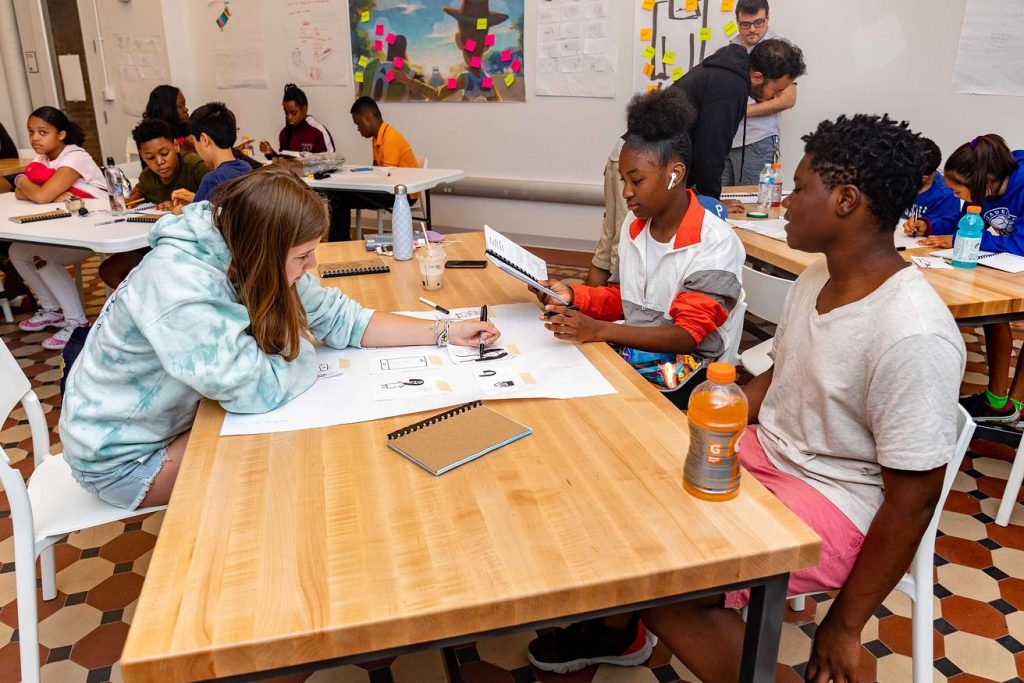
Jakarta, incaschool.sch.id – Effective Project Learning helps students build real-world skills by placing them at the center of the learning process. Instead of relying only on lectures, memorization, or short-answer tasks, project learning encourages students to investigate problems, create solutions, collaborate with others, and apply knowledge in practical ways. This approach makes learning more active and often more meaningful.
In schools, project-based assignments can connect academic content with situations that feel relevant beyond the classroom. Students do not simply receive information. They use it, test it, present it, and reflect on it. As a result, project learning supports both subject understanding and broader skill development.
Why project learning matters

Project Learning matters because it helps students move from passive learning to active participation. When students work on meaningful tasks, they are often more engaged and more able to understand how ideas connect to real situations. This can improve both motivation and retention.
It also matters because many important life and workplace skills are difficult to develop through memorization alone. Projects create space for those skills to grow in a practical setting.
Real-world skills students can build
One of the main strengths of Project Learning is that it supports a wider range of abilities than traditional assignments often measure.
Students may develop skills such as:
- Problem solving
- Communication
- Teamwork
- Research
- Creativity
- Time management
- Presentation skills
- Decision-making
These are the kinds of skills that remain useful far beyond one classroom or one exam period.
How student-centered assignments improve learning
A key feature of Project Learning is that students take a more active role in planning, exploring, and producing work. This student-centered structure can improve learning because students are not only following instructions. They are making choices, testing ideas, and taking ownership of outcomes.
Student-centered assignments often involve:
- Investigating a real issue or question
- Working in groups or independently on a solution
- Using research and evidence
- Creating a product, presentation, or report
- Reflecting on the process and results
This helps learning become more interactive and memorable.
The role of teachers in project-based work
Successful Project Learning still depends on strong teacher guidance. Student-centered does not mean unsupported. Teachers help define goals, provide structure, monitor progress, and ensure that projects connect to meaningful learning objectives.
Teachers support effective projects by:
- Setting clear expectations
- Designing relevant tasks
- Providing checkpoints and feedback
- Helping students manage time and collaboration
- Assessing both process and final outcomes
This balance between freedom and guidance is what helps projects remain educational rather than chaotic.
Challenges and how schools can manage them
While Project Learning offers many benefits, it also requires planning. Without enough structure, students may become confused, unequal participation may develop in group work, or projects may focus more on appearance than learning.
Schools can manage these challenges by:
- Using clear rubrics
- Breaking projects into stages
- Monitoring team roles
- Providing reflection opportunities
- Aligning projects with curriculum goals
With the right support, these challenges become manageable and the learning benefits remain strong.
Final thoughts
Project Learning helps schools build real-world skills through student-centered assignments that encourage active participation, problem solving, and practical application of knowledge. When designed thoughtfully, projects make learning more engaging and more relevant to life beyond the classroom.
Students remember more when they build, test, discuss, and create. That is one of the reasons project learning can be such a powerful educational approach.
Explore our “”Knowledge“” category for more insightful content
Don't forget to check out our previous article: Learning Outcomes: Measuring Skills, Knowledge, and Student Achievement Effectively