
Jakarta, incaschool.sch.id – Strong Wellness Initiatives play an important role in creating a school environment where students can learn, grow, and feel supported. A healthy school is not defined only by academic results. It also depends on physical well-being, emotional safety, positive relationships, and habits that support long-term development. Wellness initiatives help schools create conditions where students are more able to focus, participate, and thrive.
In modern education, schools are increasingly expected to support the whole student rather than only deliver lessons. This means paying attention to health, stress, belonging, and school culture alongside academic goals. When wellness is treated as part of the educational experience, students benefit in meaningful and lasting ways.
Why wellness initiatives matter in schools
Wellness Initiatives matter because students learn better when they feel safe, healthy, and emotionally supported. Stress, poor sleep, unhealthy routines, or social isolation can all affect concentration, attendance, and motivation. Schools that address wellness create a stronger foundation for learning.
These initiatives also help schools respond to broader student needs. Academic success is easier to sustain when students have support systems that encourage balance, resilience, and healthy daily habits.
Areas wellness initiatives can support
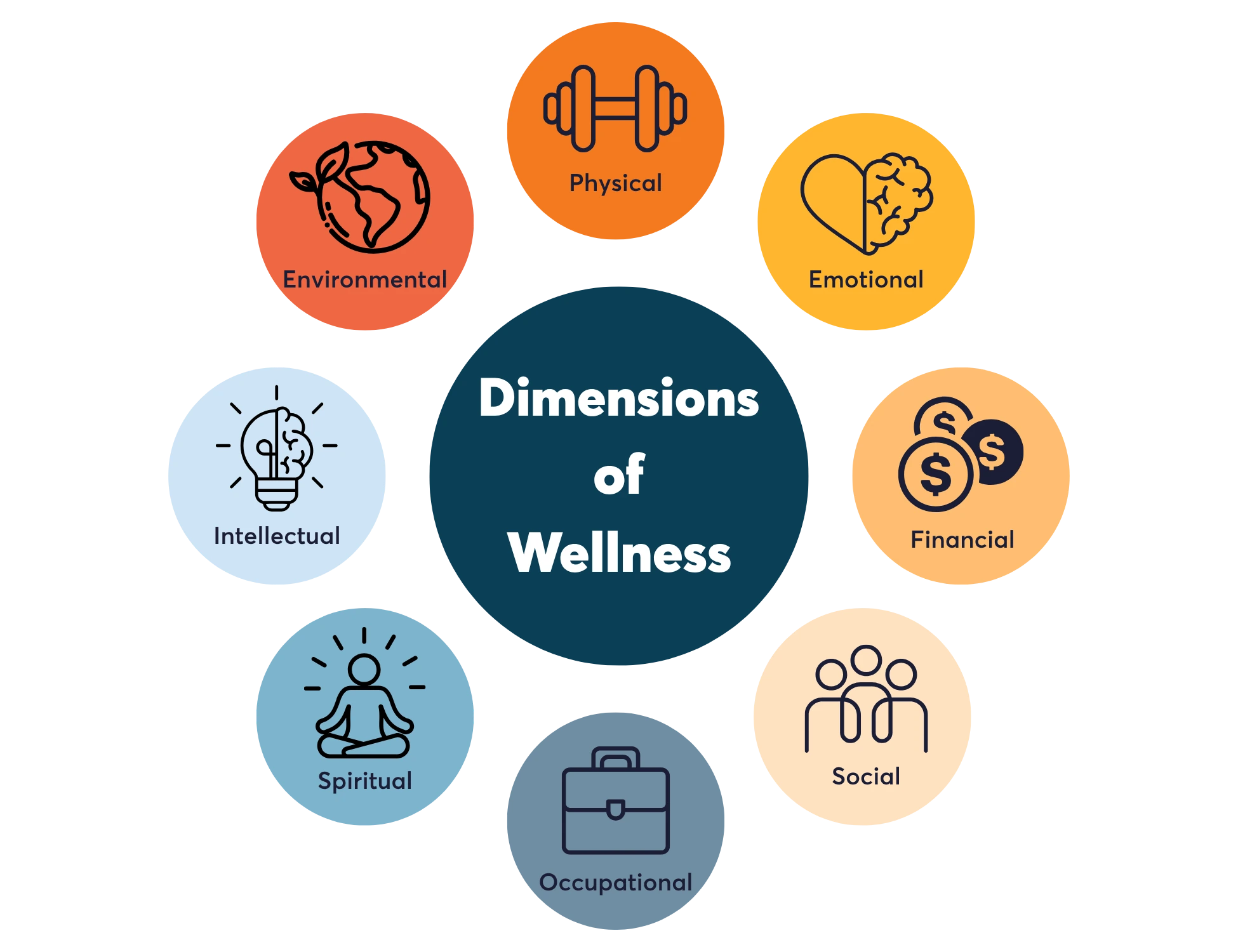
Effective Wellness Initiatives often cover several dimensions of student well-being rather than focusing on only one issue.
Common areas include:
- Physical health and activity
- Mental and emotional well-being
- Nutrition awareness
- Stress management
- Positive peer relationships
- Safe and inclusive school culture
- Healthy routines and rest
A broad approach helps schools create a more complete environment of support.
Examples of wellness initiatives in schools
Schools can use different Wellness Initiatives depending on their resources, student needs, and educational priorities.
Practical examples include:
- School counseling support
- Health education programs
- Sports and movement activities
- Mindfulness or stress-reduction sessions
- Anti-bullying campaigns
- Nutrition and healthy eating education
- Peer support programs
- Wellness-themed school events
These efforts become more effective when they are consistent and connected to everyday school life rather than limited to occasional posters with suspiciously cheerful fruit.
How wellness improves the school environment
A strong set of Wellness Initiatives improves the school environment by supporting student comfort, connection, and readiness to learn. Students who feel supported are often more engaged, more respectful of others, and more able to handle challenges.
Wellness-focused schools may see benefits such as:
- Better concentration and participation
- Improved attendance
- Stronger student relationships
- Reduced stress-related disruption
- More positive school climate
- Greater sense of belonging
These outcomes help schools become healthier communities, not just instructional spaces.
The role of teachers and school leadership
Successful Wellness Initiatives depend on commitment from teachers and school leadership. Wellness cannot be treated as a side project with no connection to daily practice. Staff play a major role in creating routines, responding to student needs, and modeling healthy behavior.
Schools strengthen wellness efforts when they:
- Support respectful classroom environments
- Encourage open communication
- Provide access to guidance and support services
- Integrate wellness into school planning
- Involve families where possible
This coordinated approach makes wellness part of the school culture rather than a temporary campaign.
Final thoughts
Wellness Initiatives help foster a healthy school environment by supporting student well-being across physical, emotional, and social areas. When schools invest in wellness, they build conditions that help students feel safer, more connected, and more ready to learn.
A strong education system does more than teach subjects. It also creates an environment where students can function well as people, and that is one of the most valuable outcomes a school can support.
Explore our “”Knowledge“” category for more insightful content!
Don't forget to check out our previous article: Student Council: Developing Leadership, Responsibility, and Student Voice in School