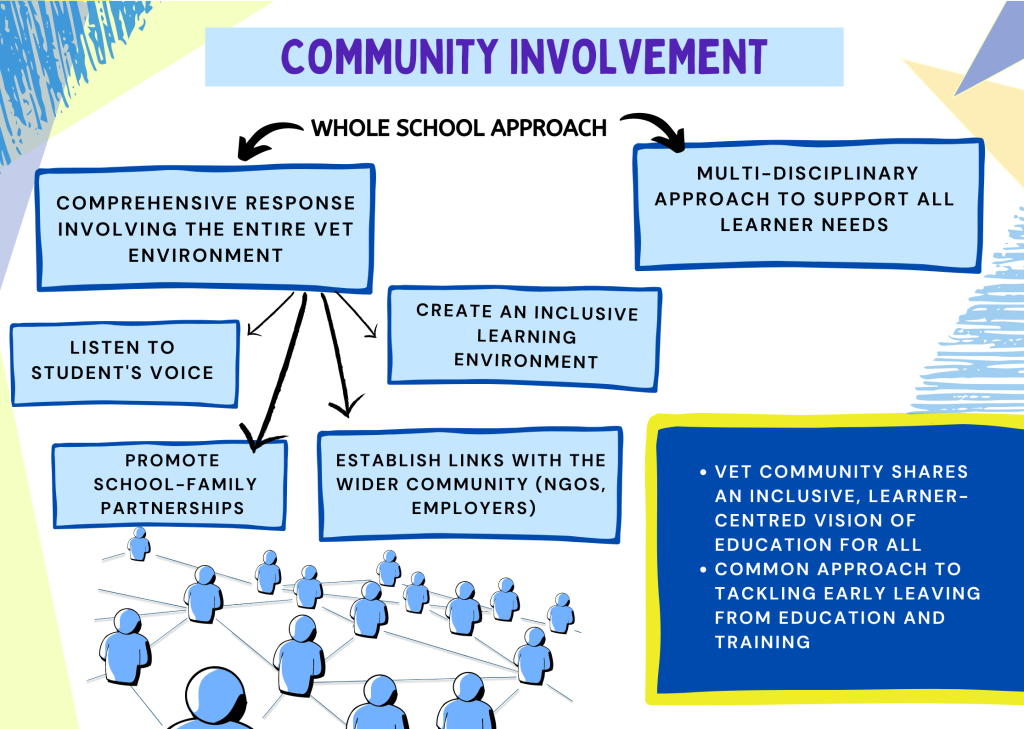
Jakarta, incaschool.sch.id – Meaningful Community Involvement helps students connect classroom learning with the realities of the world around them. When students engage with local issues, they begin to understand how communities function, what challenges people face, and how individual action can contribute to positive change. This kind of involvement supports not only civic awareness, but also empathy, responsibility, and a stronger sense of belonging.
In schools, community involvement can take many forms, from service projects and local campaigns to environmental activities and neighborhood partnerships. These experiences allow students to move beyond theory and participate in something practical. They learn that education is not only about personal achievement, but also about understanding and contributing to society.
Why community involvement matters for students
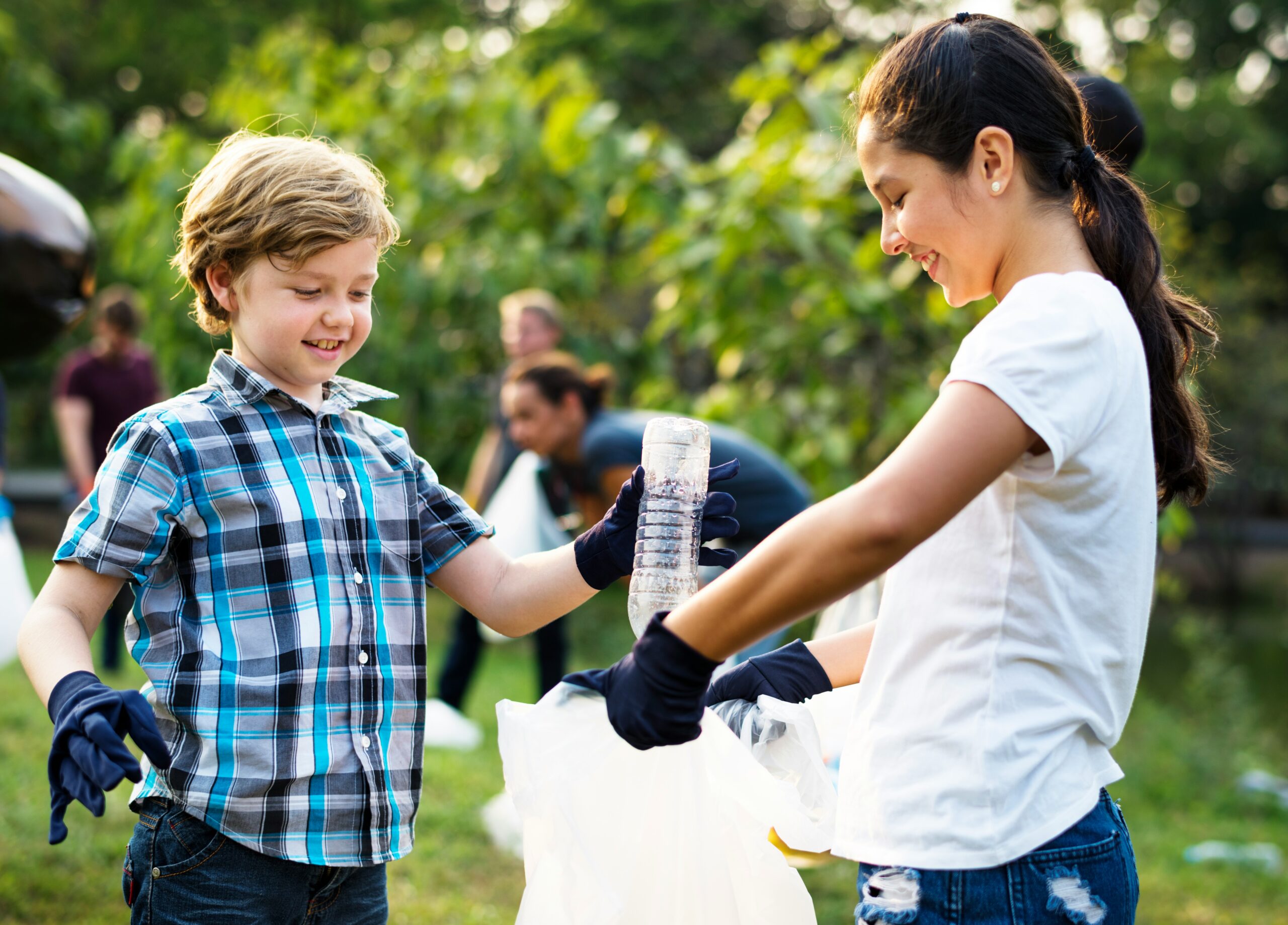
Community Involvement matters because it helps students see that local issues are not distant topics discussed only in textbooks or speeches. They are real concerns that affect people, places, and daily life. By participating in community-based activities, students develop a clearer understanding of social responsibility and civic participation.
This involvement also supports personal growth. Students often become more aware of different perspectives, more confident in collaboration, and more thoughtful about the role they can play in improving their surroundings.
How students can engage with local issues
Schools can encourage Community Involvement by helping students participate in activities that are relevant, age-appropriate, and connected to local needs.
Examples include:
- Environmental clean-up projects
- Literacy or tutoring support
- Health awareness campaigns
- Local history and heritage activities
- Neighborhood improvement programs
- Charity drives and donation efforts
- Public discussions on community concerns
These activities help students understand that engagement does not always require large-scale action. Small, consistent contributions can still have meaningful impact.
Skills students build through involvement
One of the strengths of Community Involvement is that it helps students build practical and social skills while contributing to others.
These may include:
- Teamwork
- Communication
- Problem solving
- Empathy
- Leadership
- Responsibility
- Civic awareness
Because students are working in real contexts, these skills often develop in ways that feel more meaningful than purely theoretical exercises.
The role of schools and teachers
Effective Community Involvement usually depends on support from schools and teachers. Students are more likely to participate seriously when activities are well organized, clearly explained, and connected to educational goals. Teachers can help students reflect on what they observe, why the issue matters, and what they learned from participation.
Schools can support stronger involvement by:
- Partnering with local organizations
- Designing relevant service activities
- Connecting projects to classroom subjects
- Encouraging student leadership in planning
- Creating reflection opportunities after activities
This guidance helps make community work more thoughtful and educational rather than symbolic and quickly forgotten.
Building long-term civic habits
A valuable outcome of Community Involvement is that it can help students build long-term civic habits. Students who learn early to care about local issues may become more active, informed, and responsible citizens later in life. They begin to see community life as something they are part of, not something that happens somewhere else to other people.
That shift in perspective is important. It helps students understand that social participation is not reserved for adults, experts, or people with microphones. It starts with awareness, action, and willingness to contribute.
Final thoughts
Community Involvement helps engage students in local issues by connecting education with civic awareness, responsibility, and practical action. Through meaningful activities and guided reflection, students learn how communities work and how their own participation can make a difference.
When students are encouraged to take part in local life, they do not just learn about society. They begin to practice belonging to it, which is a lesson with lasting value.
Explore our “”Knowledge“” category for more insightful content!
Don't forget to check out our previous article: Classroom Discussion: Building Confidence, Critical Thinking, and Communication Skills