
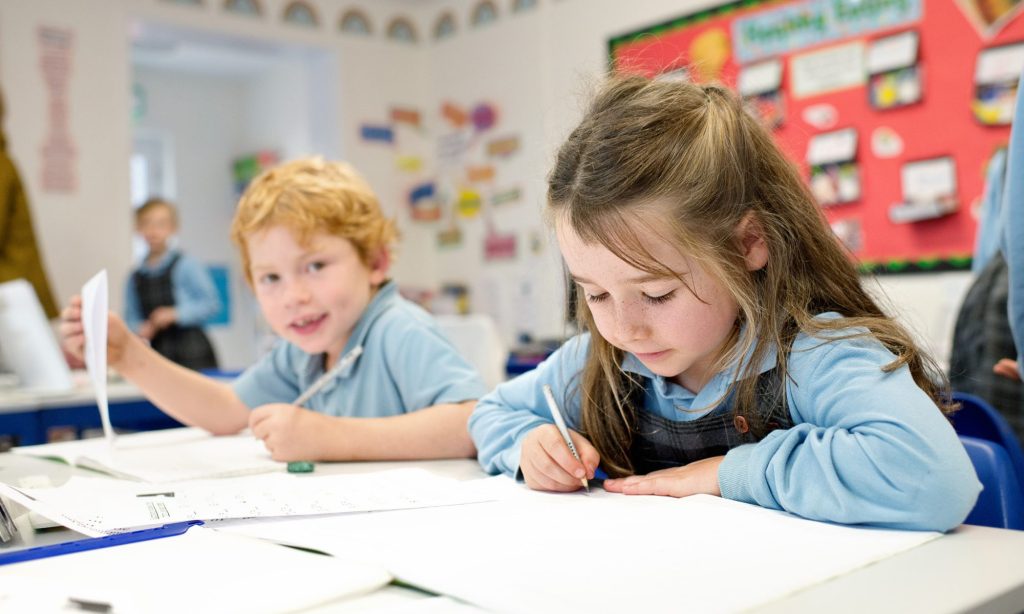
Jakarta, incaschool.sch.id – Strong Primary Learning lays the foundation for a child’s future academic development, confidence, and lifelong relationship with education. In the early years of schooling, children begin building essential skills in literacy, numeracy, communication, social interaction, and problem solving. These years are especially important because learning habits formed early often influence how children approach school later on. When primary education is supported by clear strategies and engaging teaching methods, students are more likely to achieve positive and lasting outcomes.
Primary learning is not only about helping children memorize facts. It is about creating a balanced environment where they can understand ideas, ask questions, practice new skills, and grow at a pace that supports both academic and personal development. Foundational strategies in early education must therefore focus on consistency, inclusion, and active participation.
Why primary learning matters so much

Primary Learning matters because it shapes the essential building blocks of education. Children who develop basic reading, writing, and number skills early are generally better prepared for later learning. They also tend to feel more confident in the classroom, which can improve participation and motivation.
Early education also supports emotional and social development. In primary school, children learn how to follow instructions, work with others, express ideas, and manage routines. These abilities are closely connected to academic success. A child who feels safe, supported, and engaged is often better able to concentrate and learn effectively.
Foundational strategies that improve early education outcomes
Improving Primary Learning requires strategies that are practical, child-centered, and responsive to different learning needs.
Build strong literacy routines
Reading aloud, guided reading, phonics practice, and regular storytelling can help children strengthen vocabulary, comprehension, and communication skills. Daily exposure to language makes a major difference.
Strengthen numeracy through simple practice
Basic counting, patterns, shapes, and number games help children understand mathematical concepts in enjoyable ways. Hands-on learning is often especially effective at this level.
Create consistent classroom routines
Young learners benefit from predictable schedules. Clear routines reduce confusion, improve focus, and help children feel secure in the learning environment.
Encourage active participation
Asking questions, using group activities, and involving students in discussions help turn passive listening into meaningful learning.
Support different learning styles
Some children learn best through visuals, some through movement, and others through listening or repetition. Flexible teaching strategies can improve outcomes for a wider range of students.
The role of teachers and families
Effective Primary Learning is strongest when teachers and families work together. Teachers guide instruction, monitor progress, and create a structured environment for growth. Families reinforce learning by supporting reading habits, encouraging curiosity, and maintaining positive communication about school.
Even simple actions at home can make a difference, such as reading together, reviewing schoolwork, or discussing what a child learned that day. These habits show children that education is important and worth their effort.
Challenges in early learning and how to respond
Not every child progresses at the same speed, and that is perfectly normal. Some students may need extra support in literacy, attention, language development, or classroom confidence. Strong Primary Learning strategies recognize these differences early and respond with patience rather than pressure.
Helpful responses may include:
- Small group instruction
- More practice with core skills
- Positive feedback and encouragement
- Learning materials matched to the child’s level
- Regular observation and progress tracking
Early intervention is especially important. Addressing learning gaps sooner helps prevent bigger difficulties later.
Building long-term success from the start
The real value of Primary Learning lies in its long-term impact. Children who build strong foundations early are better prepared for future academic demands and more likely to approach learning with confidence. Foundational strategies do not need to be complex to be effective. In many cases, steady routines, engaging lessons, supportive relationships, and consistent practice make the greatest difference.
Early education is where habits, skills, and attitudes begin to take shape. By investing in strong primary learning strategies, schools and families help children grow not only as students, but as curious and capable learners for the years ahead.
Explore our “”Knowledge“” category for more insightful content!
Don't forget to check out our previous article: Classroom Activities: Creative Ideas to Improve Participation and Learning Engagement