
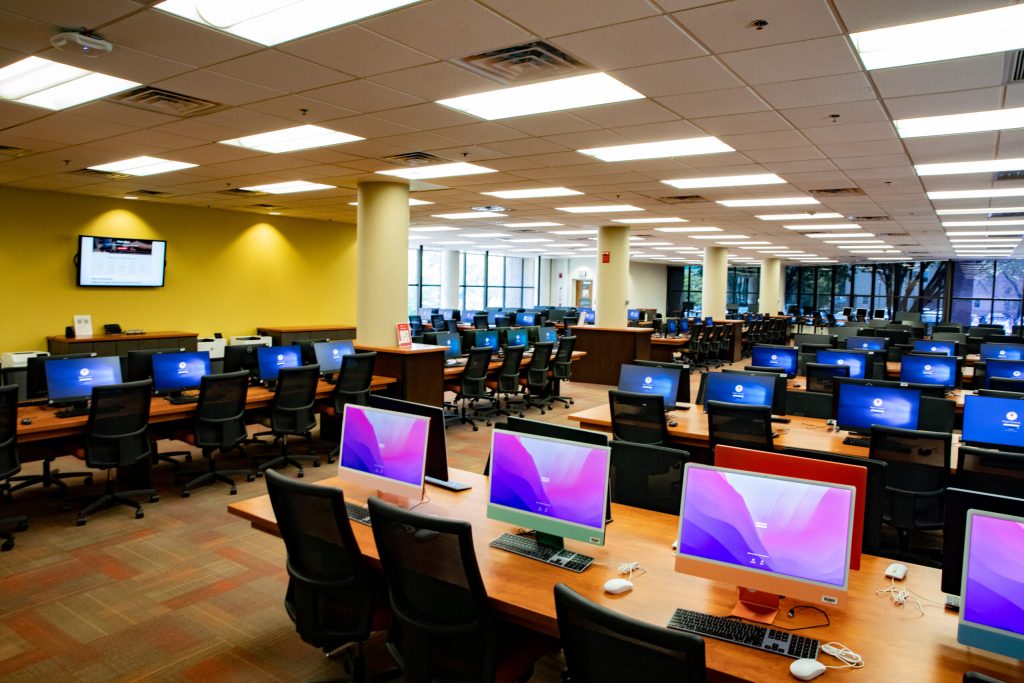
Jakarta, incaschool.sch.id – In today’s educational environment, digital literacy is no longer an optional skill. It is a core part of how students learn, communicate, research, and prepare for future work. That is why the Computer Lab remains such an important space in schools and universities. It is more than a room filled with devices. It is a structured learning environment where students develop practical technology skills through guided activities, problem-solving tasks, and hands-on digital engagement. When used effectively, a computer lab supports both academic learning and the wider development of digital confidence.
Why the Computer Lab Matters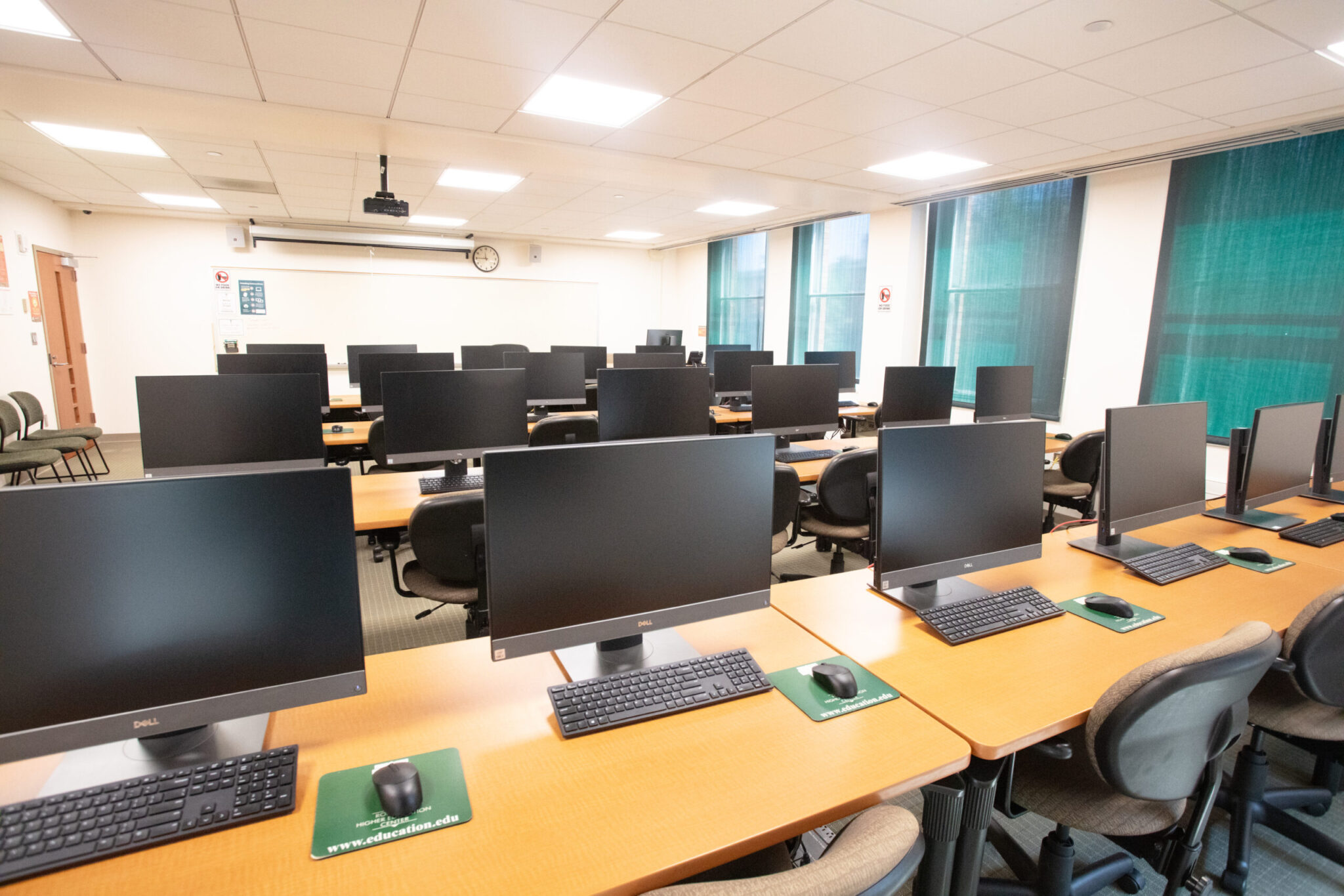
The Computer Lab matters because it gives students direct access to technology in a focused educational setting. While many learners now use personal devices, a computer lab still provides an organized space where software, connectivity, and instructional support are available in a consistent way. This helps reduce gaps in access and creates equal opportunities for students to build digital competence.
This becomes especially important because digital skills are increasingly tied to success across subjects. Students use computers for writing, data analysis, presentations, coding, research, design, communication, and online collaboration. Without guided opportunities to practice these skills, some students may struggle to keep pace with academic expectations and future workplace demands.
There is also a strong connection to digital literacy, educational technology, information skills, computer-based instruction, online research, software use, problem-solving, and twenty-first century learning here. A strong understanding of the Computer Lab is not simply about using machines. It is about creating meaningful learning experiences through technology-based activities.
My Perspective on Technology-Based Learning
What changed my understanding of the Computer Lab was realizing that its true value lies in how technology is used, not just in the presence of equipment. At first, some may think a computer lab is valuable simply because it provides access to devices. But over time, it becomes clear that effective learning depends on purposeful tasks, clear instruction, and thoughtful integration into the curriculum. A room full of computers does not automatically build digital skill. Structured learning does.
That is what makes this topic meaningful. The computer lab is not only about technology access. It is also about helping students use digital tools with confidence, purpose, and critical awareness.
Core Digital Skills Developed in a Computer Lab
The value of the Computer Lab becomes clearer when its main learning outcomes are broken down directly.
Basic computer operation
Students learn how to use hardware, operating systems, files, and digital interfaces.
Typing and document creation
Learners build skills in word processing, formatting, and digital writing.
Internet research
Students practice finding, evaluating, and organizing information online.
Presentation and communication tools
Digital platforms help students create slides, visual materials, and shared projects.
Data handling
Spreadsheets and other tools support calculation, organization, and analysis.
Problem-solving and technical confidence
Students learn how to troubleshoot simple issues and adapt to digital tasks.
How Technology-Based Activities Support Learning
I have noticed that the Computer Lab becomes most effective when activities are connected to clear educational goals.
Hands-on practice
Students remember more when they actively use digital tools rather than only hearing about them.
Immediate application
Technology can be used directly in writing, research, design, and subject-specific tasks.
Interactive learning
Digital tools often make learning more engaging through visuals, simulations, and feedback.
Collaboration
Students can work together on shared tasks using digital platforms and communication tools.
Skill transfer
What students learn in the computer lab often supports work in other classes and future settings.
Common Challenges in Computer Lab Learning
The Computer Lab also brings challenges that educators need to manage carefully.
Unequal skill levels
Some students arrive with strong digital experience, while others need basic support.
Technical problems
Software, devices, and internet access may interrupt learning activities.
Distraction risks
Students may lose focus if tasks are not clearly structured.
Limited access time
Short lab sessions may reduce opportunities for deeper learning.
Overemphasis on tools over thinking
Technology should support learning goals, not replace critical thinking.
Practical Ways to Improve Computer Lab Learning
I believe the Computer Lab becomes more powerful when educators combine structure, access, and meaningful task design.
Set clear objectives
Students should understand the purpose of each activity.
Teach step by step
Guided instruction helps learners build confidence gradually.
Connect activities to real tasks
Assignments should reflect useful academic or practical applications.
Encourage digital responsibility
Students need to learn safe, ethical, and responsible technology use.
Provide support for different ability levels
Flexible instruction helps all students benefit from the lab experience.
Below is a simple overview of how a computer lab supports student learning:
| Computer Lab Area | Why It Matters | Example in Practice |
|---|---|---|
| Basic operation | Builds digital confidence | A student learns file management and keyboard use |
| Research skills | Supports academic work | Students gather and evaluate sources for a class project |
| Document creation | Improves communication | Learners prepare formatted reports using word processing tools |
| Data handling | Develops analytical skills | Students use spreadsheets to organize and interpret data |
| Collaboration tools | Strengthens teamwork | Groups create shared presentations using digital platforms |
These examples show that the Computer Lab is not simply a technology room. It is a learning environment where students develop digital skills through purposeful, technology-based activities.
Why the Computer Lab Matters Beyond the Classroom
The importance of the Computer Lab extends beyond immediate assignments and class exercises. The digital skills developed there support future study, workplace readiness, online communication, and everyday problem-solving. In a world shaped by technology, students need more than access. They need practice, judgment, and confidence.
That broader significance is what makes this topic so valuable. The computer lab is not only about supporting current learning. It is also about preparing students to participate effectively in a digital society.
Final Thoughts
For me, the Computer Lab is one of the most practical and valuable spaces in modern education because it helps students build real digital skills through structured learning. It supports academic tasks, strengthens technological confidence, and prepares learners for the demands of a connected world.
That is why it matters so much. The Computer Lab is not simply a room with computers. It is a space where technology-based learning activities help students build the digital skills they need for education and beyond.
Explore our “”Knowledge“” category for more insightful content!
Don't forget to check out our previous article: Junior School: Supporting Student Growth Through Structured Academic and Social Learning