
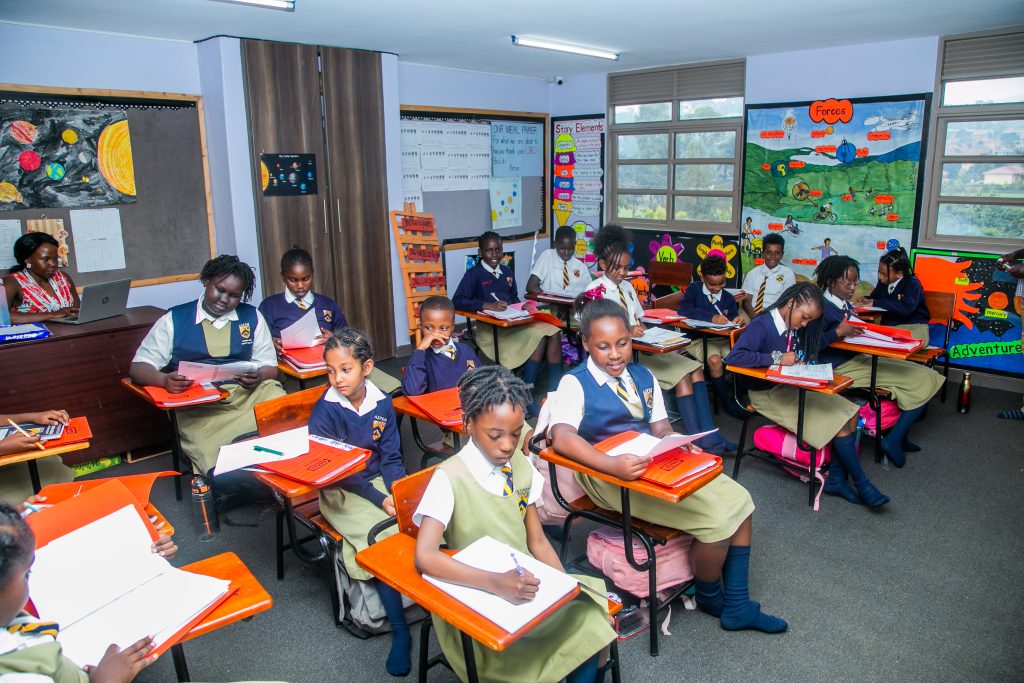
Jakarta, incaschool.sch.id – The early school years play a major role in shaping how children learn, interact, and develop confidence in themselves. That is why Junior School is such an important stage in education. It is more than a place where students learn basic subjects. It is a structured environment where academic foundations, social habits, emotional awareness, and personal responsibility begin to grow together. When junior school education is designed thoughtfully, it helps students build not only knowledge and skills, but also the attitudes and behaviors they need for long-term learning and healthy development.
Why Junior School Matters
Junior School matters because it introduces children to the routines and expectations of formal education in a way that is both supportive and developmentally important. During these years, students begin learning how to read with confidence, solve problems, communicate clearly, follow instructions, and work with others. These early experiences often shape how they see school and how they respond to learning challenges later on.
This becomes especially important because children at the junior school level are still developing attention, emotional regulation, independence, and social awareness. A strong junior school environment gives them structure while also providing encouragement, guidance, and room to grow. Without that balance, students may struggle to build the habits and confidence that support future academic success.
There is also a strong connection to foundational learning, classroom routines, literacy development, social skills, emotional growth, student confidence, teacher guidance, and school readiness here. A strong understanding of Junior School is not simply about early academics. It is about supporting the whole child through structured academic and social learning.
My Perspective on Student Growth in Junior School
What changed my understanding of Junior School was realizing that student growth at this stage depends as much on consistency and relationships as it does on curriculum. At first, some may think junior school is mainly about teaching children the basics of reading, writing, and mathematics. But over time, it becomes clear that students also learn how to listen, cooperate, manage emotions, solve conflicts, and take responsibility for their actions. These social and emotional lessons are closely connected to academic progress.
That is what makes this topic meaningful. Junior school is not only about what children are taught. It is also about the environment in which they learn to become active, capable, and socially aware students.
Core Areas of Growth in Junior School
The value of Junior School becomes clearer when its main areas of student development are broken down directly.
Academic foundations
Students build essential skills in reading, writing, mathematics, and basic inquiry.
Social development
Children learn how to share, cooperate, listen, and participate respectfully with others.
Emotional growth
Junior school helps students recognize feelings, manage frustration, and build resilience.
Communication skills
Students practice speaking, listening, and expressing ideas in clear ways.
Routine and responsibility
Daily structure teaches time awareness, organization, and task completion.
Confidence building
Supportive teaching helps students believe in their ability to learn and improve.
How Structured Learning Supports Students
I have noticed that Junior School becomes most effective when structure is used in a balanced and supportive way.
Clear routines
Predictable schedules help children feel secure and ready to learn.
Guided instruction
Step-by-step teaching helps students build understanding gradually.
Positive reinforcement
Encouragement supports motivation and confidence.
Opportunities for interaction
Group work and class discussion strengthen both learning and social skills.
Age-appropriate expectations
Students do best when expectations are challenging but realistic for their stage of development.
Common Challenges in Junior School
Junior school education also involves several challenges that schools and teachers must manage carefully.
Different learning paces
Students do not all develop academic skills at the same speed.
Social conflicts
Friendship problems and classroom behavior issues can affect learning.
Attention and focus
Young learners often need active strategies to stay engaged.
Emotional sensitivity
Students may react strongly to pressure, correction, or change.
Family and school adjustment
Some children need extra support as they adapt to school expectations.
Practical Ways to Strengthen Junior School Learning
I believe Junior School becomes more effective when schools focus on both structure and support.
Build strong teacher-student relationships
Children learn better when they feel safe, seen, and encouraged.
Keep instruction clear and consistent
Stable teaching methods help reduce confusion.
Use interactive learning
Hands-on tasks, discussion, and movement can improve understanding.
Support social learning intentionally
Students benefit when social skills are taught, modeled, and reinforced.
Involve families
Home and school communication strengthens student development.
Below is a simple overview of how junior school supports student growth:
| Junior School Area | Why It Matters | Example in Practice |
|---|---|---|
| Academic foundations | Builds readiness for later learning | A student develops reading fluency through guided practice |
| Social development | Strengthens cooperation | Children work together on a classroom task |
| Emotional growth | Supports resilience and self-control | A teacher helps a student manage frustration calmly |
| Classroom routines | Creates stability | Students follow a daily schedule for lessons and activities |
| Confidence building | Encourages participation | A shy student begins answering questions more often |
These examples show that Junior School is not simply an early stage of formal education. It is a structured and supportive environment where children develop the academic, social, and emotional foundations that shape future growth.
Why Junior School Matters Beyond the Classroom
The importance of Junior School extends beyond immediate lessons and report cards. The habits, attitudes, and relationships formed during these years often influence how students approach later schooling, challenges, and social situations. A strong junior school experience can help children become more curious, responsible, cooperative, and confident over time.
That broader significance is what makes this topic so valuable. Junior school is not only about helping students succeed in the present. It is also about preparing them for healthier and more capable learning in the future.
Final Thoughts
For me, Junior School is one of the most important stages in education because it supports student growth in a complete and balanced way. It teaches core academic skills while also helping children learn how to interact with others, manage themselves, and develop confidence in who they are as learners.
That is why it matters so much. Junior School is not simply the beginning of formal education. It is the stage where structured academic and social learning come together to support the whole child.
Explore our “”Knowledge“” category for more insightful content!
Don't forget to check out our previous article: Junior High Arts: Creative Programs That Build Confidence and Artistic Expression