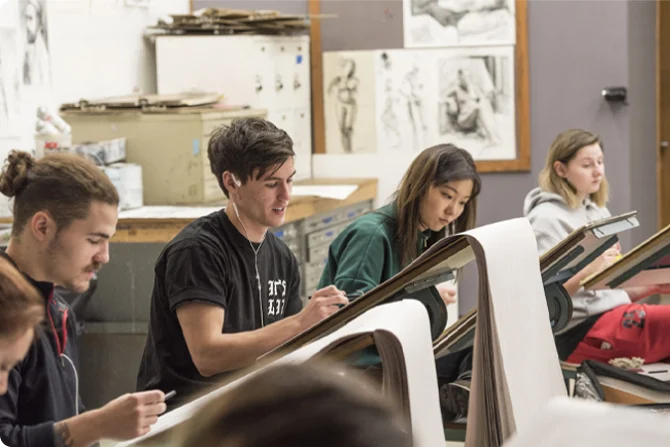
Jakarta, incaschool.sch.id – The middle school years are a powerful time for creativity because students are beginning to form their identities, test their abilities, and express their ideas in more personal ways. That is why Junior High Arts plays such an important role in education. It is not only about drawing, painting, music, drama, or crafts. It is about giving students a meaningful space to explore imagination, develop skills, communicate emotions, and gain confidence through creative work. When arts programs are designed well, they help students grow not only as young artists, but also as more confident and expressive individuals.
Why Junior High Arts Matters
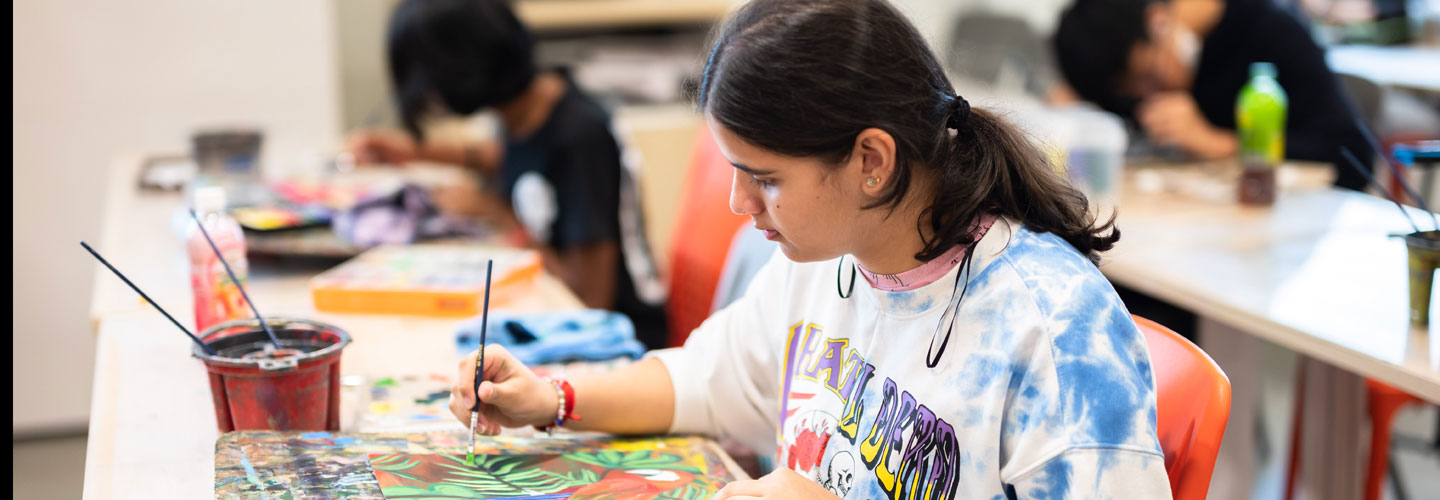
Junior High Arts matters because creativity supports student development in ways that go beyond technical skill. At this age, many students are still learning how to share ideas, take risks, and feel comfortable being seen and heard. Arts education gives them a structured but flexible way to do that. Through creative projects, performance, and visual expression, students can discover strengths that may not always appear in more traditional academic settings.
This becomes especially important because junior high can be a time of self-doubt, comparison, and rapid change. Students often benefit from spaces where effort, originality, and experimentation are valued. Arts programs can help reduce fear of failure by showing students that there is more than one way to create meaning and show ability.
There is also a strong connection to student confidence, imagination, communication, emotional expression, collaboration, discipline, and self-discovery here. A strong Junior High Arts program is not simply about producing artwork. It is about helping students build confidence and artistic expression through creative learning.
My Perspective on Arts and Confidence
What changed my understanding of Junior High Arts was realizing that creative expression often helps students discover confidence before they can explain it directly. At first, some may think arts programs are mostly enrichment activities that sit beside more important academic subjects. But over time, it becomes clear that the arts can shape how students think, feel, and present themselves. A student who hesitates to speak in class may become more confident through drama. Student who struggles with verbal expression may communicate powerfully through drawing or music. A collaborative art project may help students feel more connected to others.
That is what makes this topic meaningful. Junior High Arts is not only about creative production. It is also about personal development and the growth of student voice.
Core Benefits of Junior High Arts Programs
The value of Junior High Arts becomes clearer when the main benefits are broken down directly.
Confidence building
Creative work helps students take risks, present ideas, and trust their abilities.
Artistic expression
Students learn how to communicate thoughts, stories, and emotions through different forms of art.
Emotional development
Arts programs can help students process feelings and express themselves in healthy ways.
Collaboration
Group performances and shared projects teach students how to work with others creatively.
Discipline and practice
Artistic improvement requires effort, patience, and repeated skill development.
Identity exploration
Students begin to understand their interests, perspectives, and creative strengths.
Common Forms of Junior High Arts Programs
Junior High Arts can include a wide range of creative experiences that support different talents and interests.
Visual arts
Drawing, painting, sculpture, design, and mixed media projects help students explore form and imagination.
Music
Singing, instrumental practice, rhythm work, and ensemble performance strengthen expression and listening.
Drama and theater
Performance-based activities build voice, confidence, empathy, and presence.
Dance and movement
Dance helps students express ideas physically while building coordination and body awareness.
Crafts and design
Hands-on creative work encourages focus, experimentation, and practical artistic skill.
Challenges in Supporting Junior High Arts
Junior High Arts programs also face several challenges that schools should address carefully.
Limited resources
Art materials, instruments, and performance spaces may be costly.
Uneven confidence levels
Some students may hesitate to participate if they fear judgment.
Narrow definitions of talent
Students can feel excluded if creativity is measured too strictly.
Time pressure
Arts programs may receive less attention when schools focus heavily on tested subjects.
Lack of encouragement
Students often need positive reinforcement to stay engaged in creative work.
Practical Ways to Strengthen Junior High Arts Programs
Junior High Arts becomes more effective when schools create supportive and inclusive opportunities.
Encourage experimentation
Students should feel safe trying ideas without fear of perfection.
Celebrate progress
Growth and effort should be recognized alongside finished results.
Offer varied activities
Different art forms help more students find where they connect.
Create supportive feedback
Critique should guide improvement without reducing confidence.
Connect art to student life
Projects feel more meaningful when they reflect student interests, culture, and experience.
Below is a simple overview of how Junior High Arts supports student growth:
| Junior High Arts Area | Why It Matters | Example in Practice |
|---|---|---|
| Visual arts | Supports imagination and self-expression | A student creates a painting based on personal experience |
| Music | Builds rhythm, confidence, and listening | A group rehearses and performs in a school event |
| Drama and theater | Strengthens voice and presence | A shy student gains confidence through role performance |
| Dance and movement | Encourages expressive confidence | Students perform a themed movement piece |
| Collaborative projects | Builds teamwork and belonging | A class works together on a mural or stage production |
These examples show that Junior High Arts is not simply about teaching students how to make art. It is about helping them express who they are, build confidence, and engage creatively with the world around them.
Why Junior High Arts Matters Beyond School
The impact of Junior High Arts extends beyond the classroom. The creativity, confidence, communication, and openness that students develop through arts programs can continue to support them in academic work, relationships, leadership, and future careers. Artistic expression also teaches students that their ideas and perspectives have value.
That broader significance is what makes this topic so valuable. Junior High Arts is not only about creative programs at school. It is also about helping young people build the confidence to express themselves throughout life.
Final Thoughts
For me, Junior High Arts is one of the most meaningful parts of student development because it gives young learners a space to explore creativity while becoming more confident in who they are. It supports technical skill, emotional growth, and self-expression in ways that many other subjects cannot fully replace.
That is why it matters so much. Junior High Arts is not simply an enrichment activity. It is a creative and developmental space where students build confidence, artistic expression, and a stronger sense of themselves.
Explore our “”Knowledge“” category for more insightful content!
Don't forget to check out our previous article: High School Curriculum: Essential Subjects and Skills for Academic Achievement